1. Home
  2. Knowledge Base | PreventionWeb
  3. Themes

GIS and mapping

Using Geographic Information Systems (GIS) for mapping disaster risk, hazard, exposure and vulnerability.
Latest GIS and mapping additions in the Knowledge Base

Uploaded on
Update

“The dashboard grew out of our flood modeling research,” Kastens said. “We started building it after the 2019 floods, and it’s been evolving ever since. It’s now a web-based system that automatically maps flood extent and depth in near real time."

University of Kansas (KU)
Update

The Climate Atlas of Iceland, developed by the Icelandic Met Office and launched in April 2025, marks a milestone in making climate information more accessible and policy-relevant for Iceland.

Climate-ADAPT
Update

Visual storytelling has become a critical tool for bridging the gap between sophisticated remote analysis and community-level action. It allows users to combine satellite-derived insights with ground-level data, images, and narrative.

Esri
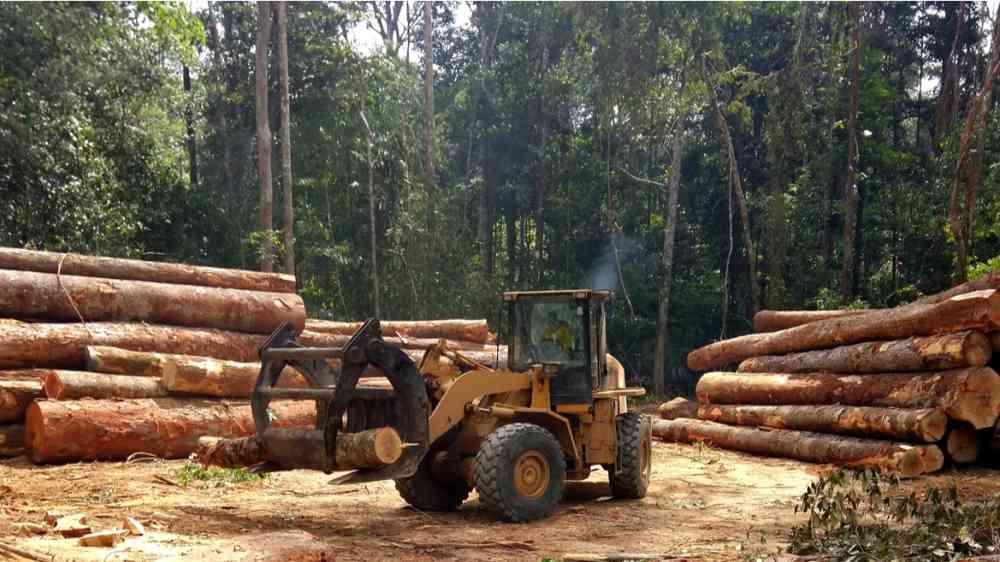
Wheel loader picking up the piles of wood from the Amazon forest region in Brazil
Research briefs

Deforestation is leading to temperature increases of up to 5°C in some tropical regions, according to data revealed in a new interactive map created by researchers at the University of Leeds.

University of Leeds
A person using a mobile phone app with a map
Update

What if we could see how dry vegetation is in near real time before fires start? That's now possible thanks to a publicly available tool implemented by Geoscience Australia.

Conversation Media Group, the
Integrating remote sensing, machine learning, and local knowledge for innovative flood susceptibility and vulnerability mapping thumbnail
Documents and publications

This study develops a comprehensive framework for mapping flood susceptibility and vulnerability in the Cheshmeh-Kileh forest watershed in northern Iran by integrating remote sensing (RS), local knowledge, and machine learning (ML) algorithms.

Journal of Flood Risk Management (Wiley)
Update

SatGPT’s strength lies in enhancing historical risk knowledge. It’s not designed to predict the next disaster, but rather to help communities prepare more effectively for it.

Modern Diplomacy
Pipe with dredged material building up an artificial island
Update

There is an urgent need to evaluate the negative effects and risks associated with coastal artificial structures around the world, especially as climate change makes sea-level rise more extreme.

Conversation Media Group, the
Uploaded on