1. Home
  2. Knowledge Base | PreventionWeb
  3. Themes

GIS and mapping

Using Geographic Information Systems (GIS) for mapping disaster risk, hazard, exposure and vulnerability.
Latest GIS and mapping additions in the Knowledge Base

Uploaded on
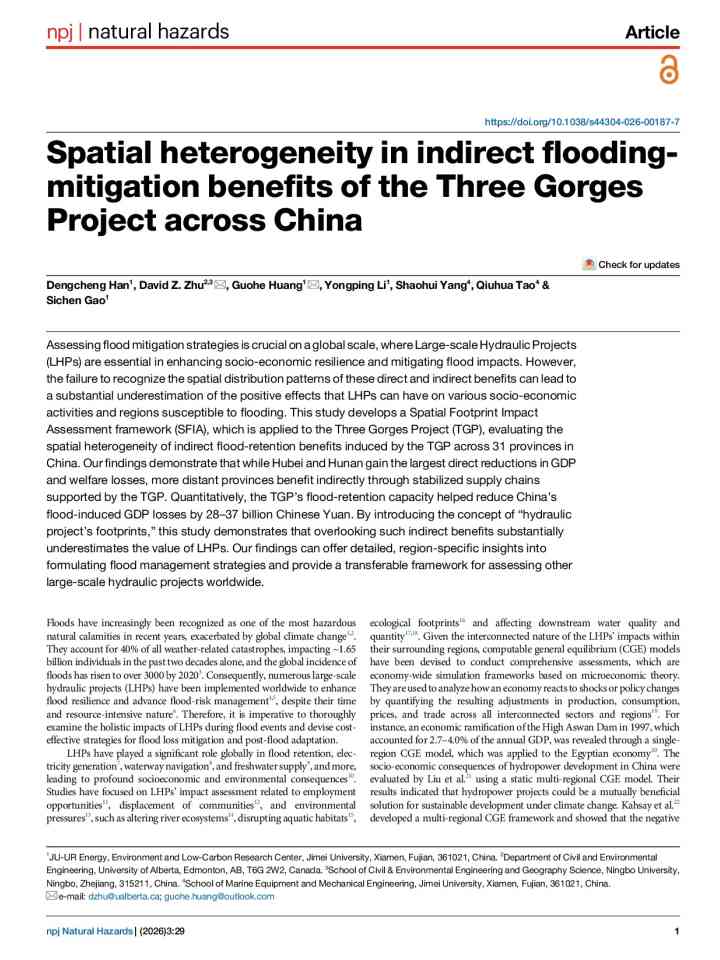
Spatial heterogeneity in indirect flooding-mitigation benefits of the Three Gorges Project across China thumbnail
Documents and publications

This study develops a Spatial Footprint Impact Assessment framework (SFIA), which is applied to the Three Gorges Project (TGP), evaluating the spatial heterogeneity of indirect flood-retention benefits induced by the TGP across 31 provinces in China.

npj Natural Hazards (Nature)
When moderate storms become disasters: operationalising the co-production of flood hazard in Iraq thumbnail
Documents and publications

In Iraq, moderate storms become disasters because flood risk is shaped as much by urbanization, degraded ecosystems, and weak governance as by rainfall intensity itself.

International Journal of Disaster Risk Reduction (Elsevier)
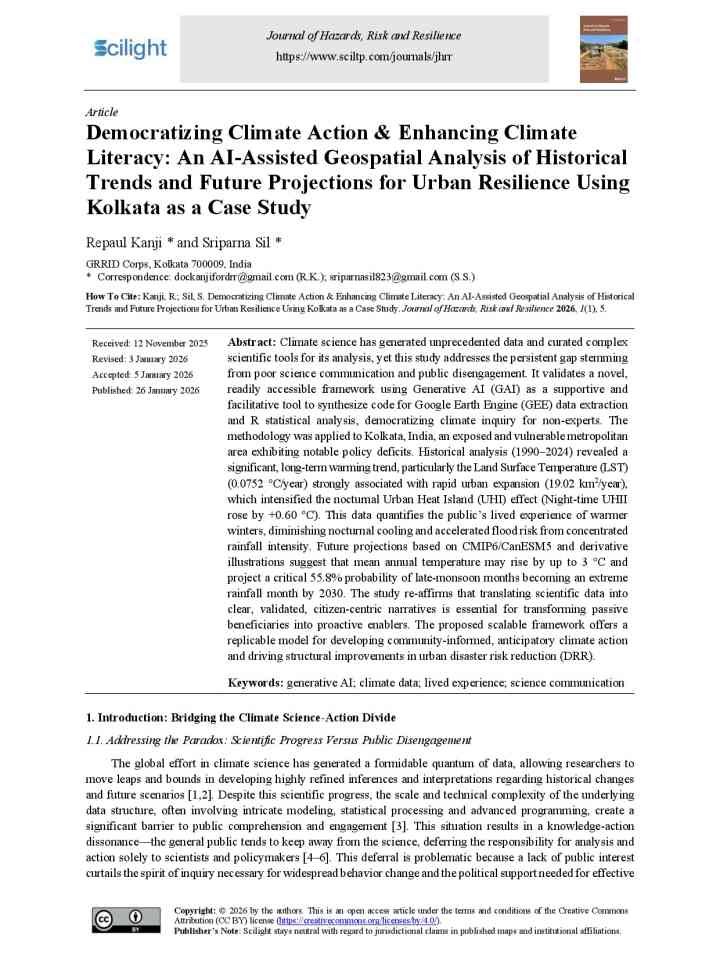
Democratizing climate action & enhancing climate literacy: An AI-assisted geospatial analysis of historical trends and future projections for urban resilience using Kolkata as a case study thumbnail
Documents and publications

This paper presents a generative-AI–assisted, open-source framework designed to democratize access to complex climate data and strengthen public climate literacy, using Kolkata as a case study.

Green Risk-Informed Resilient Development (GRRID) Corps
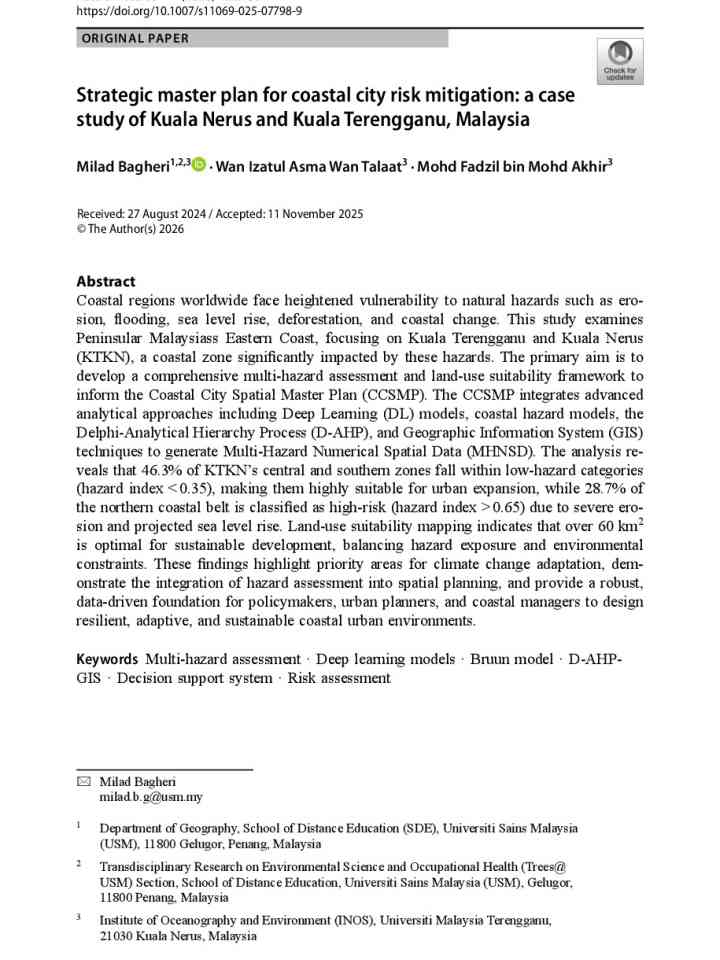
Strategic master plan for coastal city risk mitigation: a case study of Kuala Nerus and Kuala Terengganu, Malaysia thumbnail
Documents and publications

This study outlines a comprehensive, data‑driven strategy for reducing coastal disaster risk in Kuala Nerus and Kuala Terengganu, Malaysia, where communities face increasing exposure to erosion, flooding, sea‑level rise and climate‑related hazards.

Natural Hazards (Springer)
Research briefs

Geographic information system (GIS) maps help researchers, policymakers, and community members see how environmental risks are spread throughout a given region.

Eos - AGU
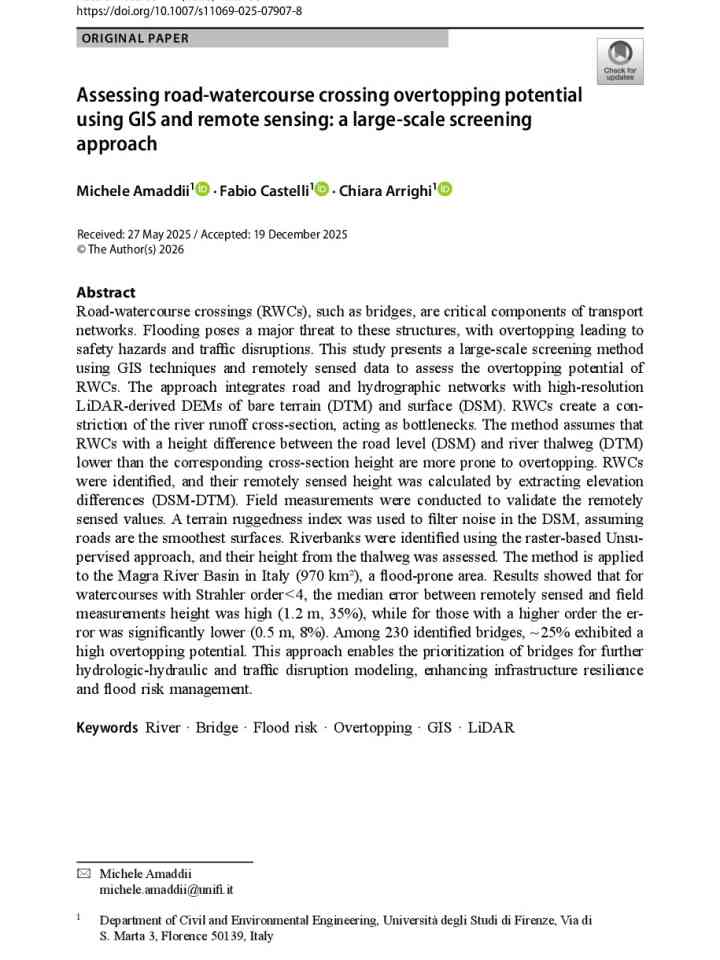
Assessing road-watercourse crossing overtopping potential using GIS and remote sensing: a large-scale screening approach thumbnail
Documents and publications

This study presents a large-scale screening method using GIS techniques and remotely sensed data to assess the overtopping potential of RWCs.

Natural Hazards (Springer)
Flood disaster management: integrating machine learning and geospatial data analysis for optimal assembly areas in Bartın river Basin, Turkiye thumbnail
Documents and publications

This study focuses on the identification of optimal safe assembly areas in the case of urban flash floods using Geographic Information System (GIS) and machine learning techniques.

Natural Hazards (Springer)
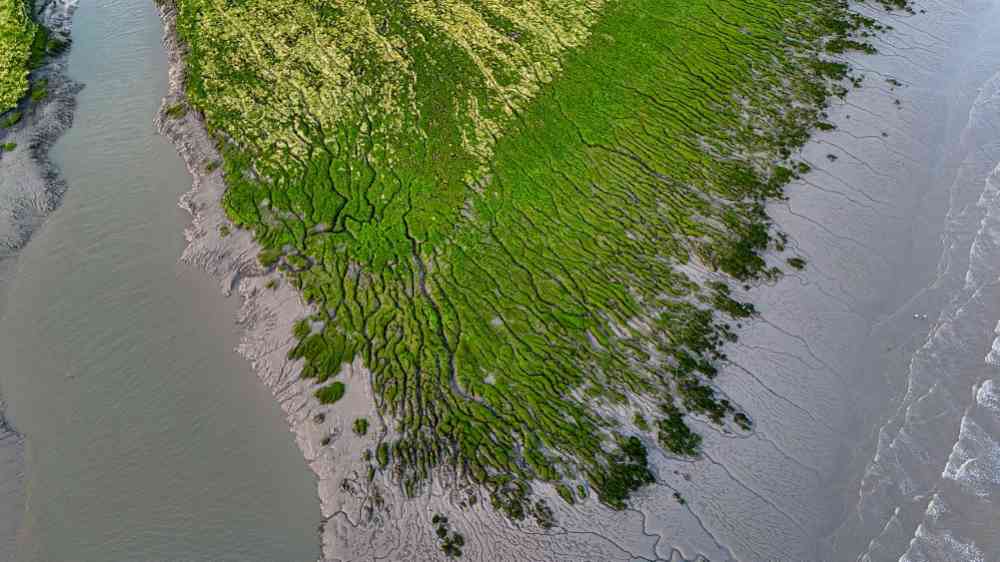
Aerial view of a green marsh and water
Update

New mapping tool helps communities anticipate sea‑level rise by showing where salt marshes will migrate, guiding smarter development, conservation, and resilience planning. Built collaboratively, it offers a model other coastal states can replicate.

The Pew Charitable Trusts
Uploaded on