1. Home
  2. Knowledge Base | PreventionWeb
  3. Themes

Insurance and risk transfer

The process of formally or informally shifting the financial consequences of particular risks from one party to another, whereby a household, community, enterprise or State authority will obtain resources from the other party after a disaster occurs, in exchange for ongoing or compensatory social or financial benefits provided to that other party. Risk insurance is a key disaster risk management activity.

This theme covers aspects of disaster risk financing, catastrophe bonds, financial resilience, and micro-insurance.

Latest Insurance & risk transfer additions in the Knowledge Base

Uploaded on
Update

The Lagos State government has contracted a parametric flood-risk insurance policy in the Nigerian insurance market, covering up to 4 million vulnerable people and securing up to US$7.5 million for flood response and recovery.

United Nations Development Programme (UNDP)
Shinjuku area in Tokyo, full of shopping malls, electrical appliance stores, fashion stores, second-hand goods, and restaurants. It is the largest night entertainment area in Japan
Update

A major Tokyo earthquake could trigger huge uninsured losses, forcing banks to sell foreign assets and potentially shaking global markets. The city’s wealth concentration and seismic risk create a rare but serious financial vulnerability.

Temblor
Update

As rising climate risks drive insurance providers out of vulnerable markets, states are increasingly advancing policies that seek to transform insurance from a market of uncertainty and rising costs into a transparent tool for community resilience.

National Caucus of Environmental Legislators
Case study
Location: Tanzania, United Rep of
This study investigates the multiplier effect of micro-insurance on climate resilience and socio-economic stability among motorcycle taxi (boda-boda) drivers in Dar es Salaam, Tanzania.
  • International Federation of Red Cross and Red Crescent Societies (IFRC)
Update

Crop insurance can help smallholder farmers in Africa and elsewhere manage climate risk and stabilize livelihoods in the face of droughts and extreme weather. Scaling coverage requires better product design, farmer education, and links to credit.

International Food Policy Research Institute
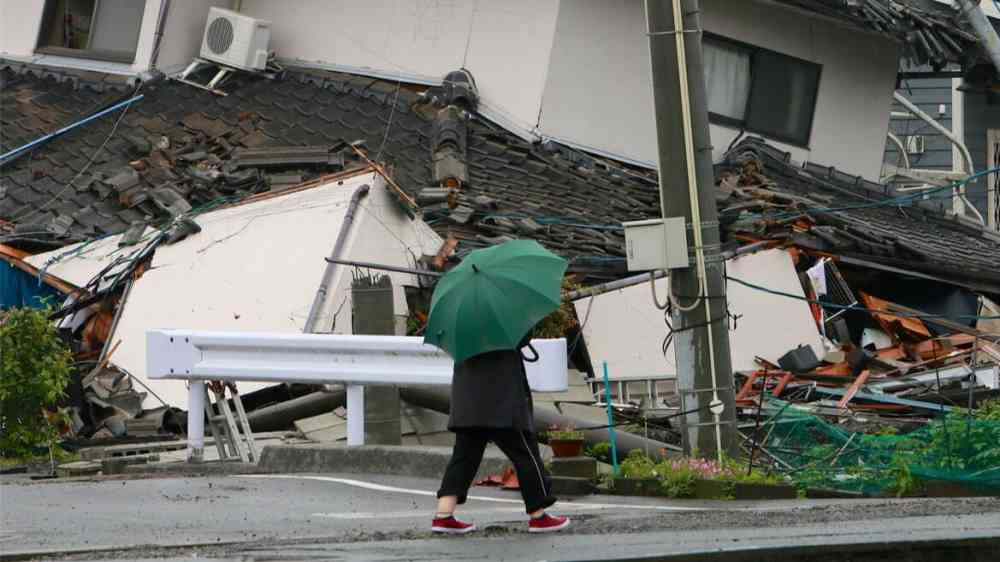
A resident walks past a collapsed house in the aftermath of the 2011 Tōhoku earthquake
Update

Fifteen years after Tohoku, the article argues that despite better models and data, true resilience requires accepting structural uncertainty, stress‑testing interconnected risks, and ensuring reinsurance capital is ready for extreme, system‑wide shocks.

Swiss Reinsurance Company (Swiss Re)
Large boulders on Palisadoes a thin strip of sand that serves as a natural protection for Kingston Harbour, Jamaica
Update

Recognizing its high exposure to climate and natural hazards, the country developed a multilayered disaster risk financing strategy designed to cushion the fiscal impact of major events like Hurricane Melissa.

World Bank, the
Update

More than USD 29 million has been mobilised to support Madagascar’s response and recovery following tropical cyclones Fytia and Gezani through a combination of pre-arranged financing solutions.

African Risk Capacity
Uploaded on