1. Home
  2. Knowledge Base | PreventionWeb
  3. Themes

Traditional and Indigenous knowledges

Practices and skills to reduce community vulnerability and cope with hazards, accumulated over many years of living in a specific environment and passed down from one generation to another.
Latest Traditional and Indigenous knowledges additions in the Knowledge Base

Uploaded on
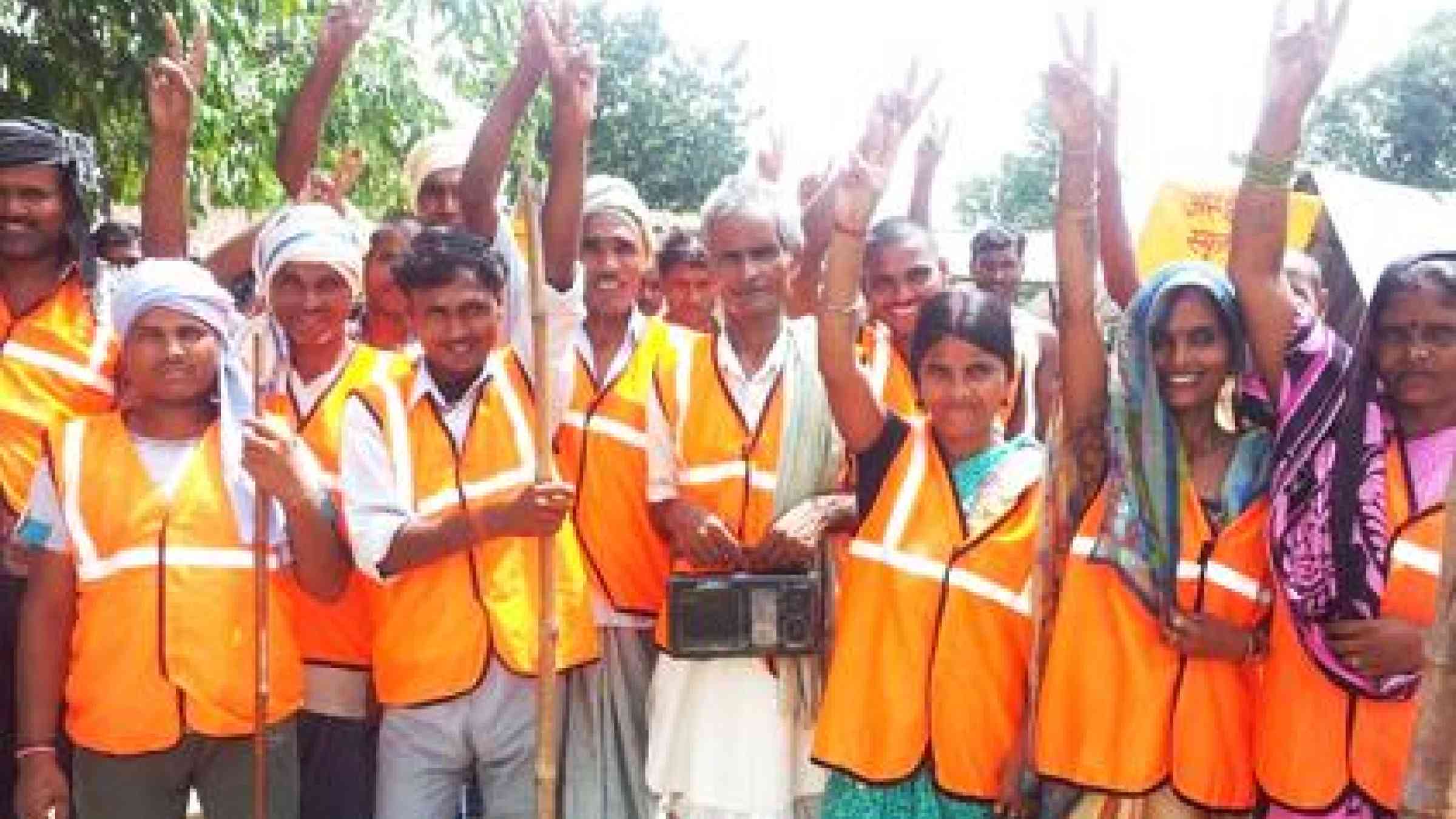
Community task force members on the banks of the Girgitti river in Uttar Pradesh. (Photo: UNISDR)
Update

India has had some significant success in reducing the death tolls from cyclones and flooding in recent years due to better preparedness and early warnings. In October 2014 and October 2013 large scale evacuations saved many lives as early warnings were disseminated in a timely and effective way to endangered populations along the Bay of Bengal.

United Nations Office for Disaster Risk Reduction - Regional Office for Asia and Pacific
Photo by Flickr user Direct Relief CC BY 2.0 https://www.flickr.com/photos/directrelief/4150954694/
Update

'The indigenous ways of mitigating disaster risks are still very much alive, and they teach us that our instincts are not to be ignored. But this does not mean that science is less important. Experience enriches science, and science pinpoints practice in the right direction.' writes Faye Gonzalez, media officer for DRR for Caucus of Development NGO Networks, in an article on Rappler...

Rappler Inc.
This year's International Day for Disaster Reduction highlights the value of traditional, indigenous and local knowledge in disaster risk reduction.
Update

An important effort is being made in a disaster prone area of Nicaragua to create understanding and awareness of how indigenous people cope with natural hazards by tapping into their ancestral store of knowledge and keeping it alive.

United Nations Office for Disaster Risk Reduction – Regional Office for the Americas and the Caribbean
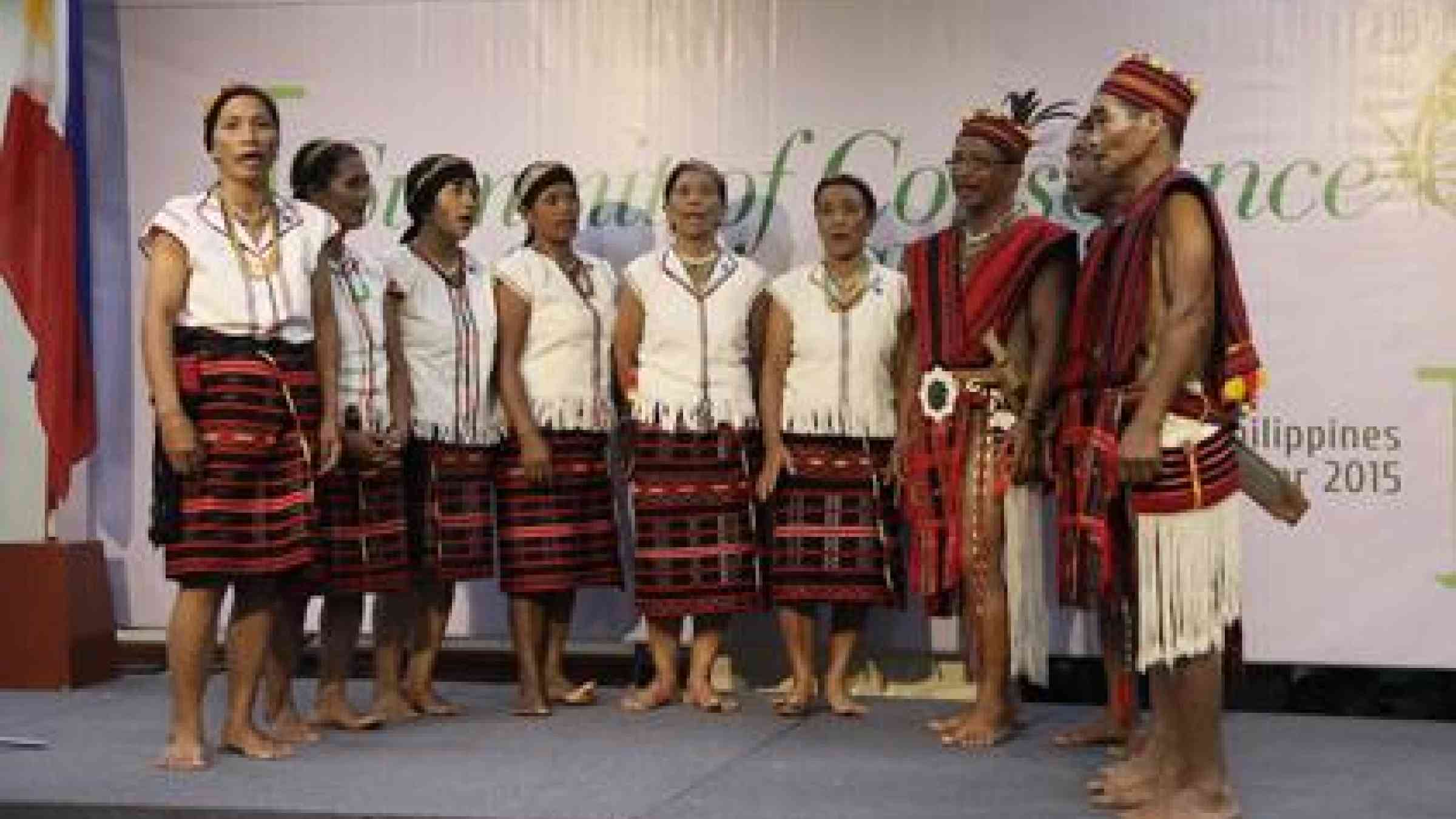
Members of the Ifugao tribe who were honoured today at a special ceremony in the Philippines Senate. (Photo: UNISDR)
Update

International Day for Disaster Reduction arrived early today in the Philippines. Globally, the Day is marked next Tuesday on October 13 but the Philippines Senate today took time out to celebrate the Day’s theme of community and local knowledge for disaster risk management.

United Nations Office for Disaster Risk Reduction - Regional Office for Asia and Pacific
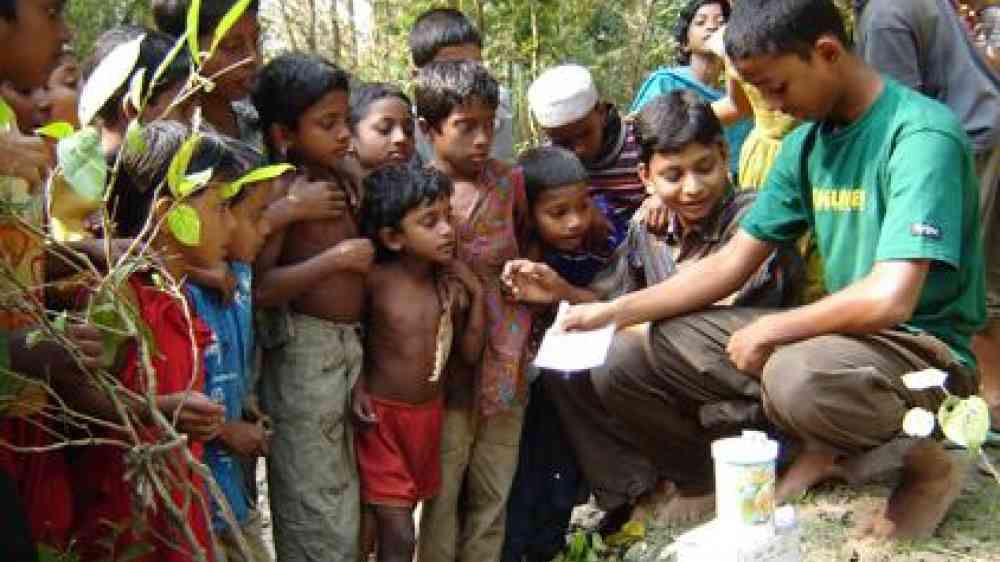
Children in East Sujonkathi in Bangladesh are given the gift of local knowledge about the environment and how to protect it. The community has been nominated as a champion of disaster risk reduction. (Photo: UNISDR)
Update

A small community on the disaster prone coast of Bangladesh is translating the Sendai Framework for Disaster Risk Reduction into the local dialect as part of an ongoing community revival since it was hit hard by Cyclone Sidr in 2007.

United Nations Office for Disaster Risk Reduction - Regional Office for Asia and Pacific
Update

Nhung from Quang Xuong district, Thanh Hoa province tells the story of how her ancestors relied on the wind and the observation of animals to predict disaster. 'I believe when our villagers combine both their traditional experiences and modern knowledge, they can be safe when going out to the sea and limit the impacts of natural disasters.' Nhung says...

World Vision International
Documents and publications

Journal of South Asia Disaster Studies, Volume 5, Number 1-2, December 2012:

The article tries to identify and reveal indigenous myths and beliefs that exist in the Island Chars communities in Bangladesh, a remote, geographically isolated territory, and

SAARC Disaster Management Centre
A gathering at the seek bank in El Solis, Guatemala. The community deploys local knowledge of biodiversity to reduce disaster risk and supports International Day for Disaster Reduction. (Photo: UNISDR)
Update

The tiny community of El Solís in rural Guatemala is tapping into its local knowledge on biodiversity and maintaining a native seeds bank to help it cope with drought, food insecurity and climate change.

United Nations Office for Disaster Risk Reduction – Regional Office for the Americas and the Caribbean
Uploaded on