1. Home
  2. Knowledge Base | PreventionWeb
  3. Themes

Inclusion

Ensuring an all-of-society engagement and partnership for DRR through empowerment and inclusive, accessible and non-discriminatory participation, paying special attention to people disproportionately affected by disasters, especially the poorest.

Here are five ways countries ensure persons with disabilities are not left behind when the next disaster strikes.

Latest Inclusion additions in the Knowledge Base

Uploaded on
Documents and publications

This resource aims to provide relevant and practical guidance to DRR practitioners (policy and programme colleagues), on how to ensure inclusion - particularly of vulnerable groups - in Community-Based DRR (CBDRR) initiatives in Myanmar. It comprises an

Myanmar Consortium for Community Resilience
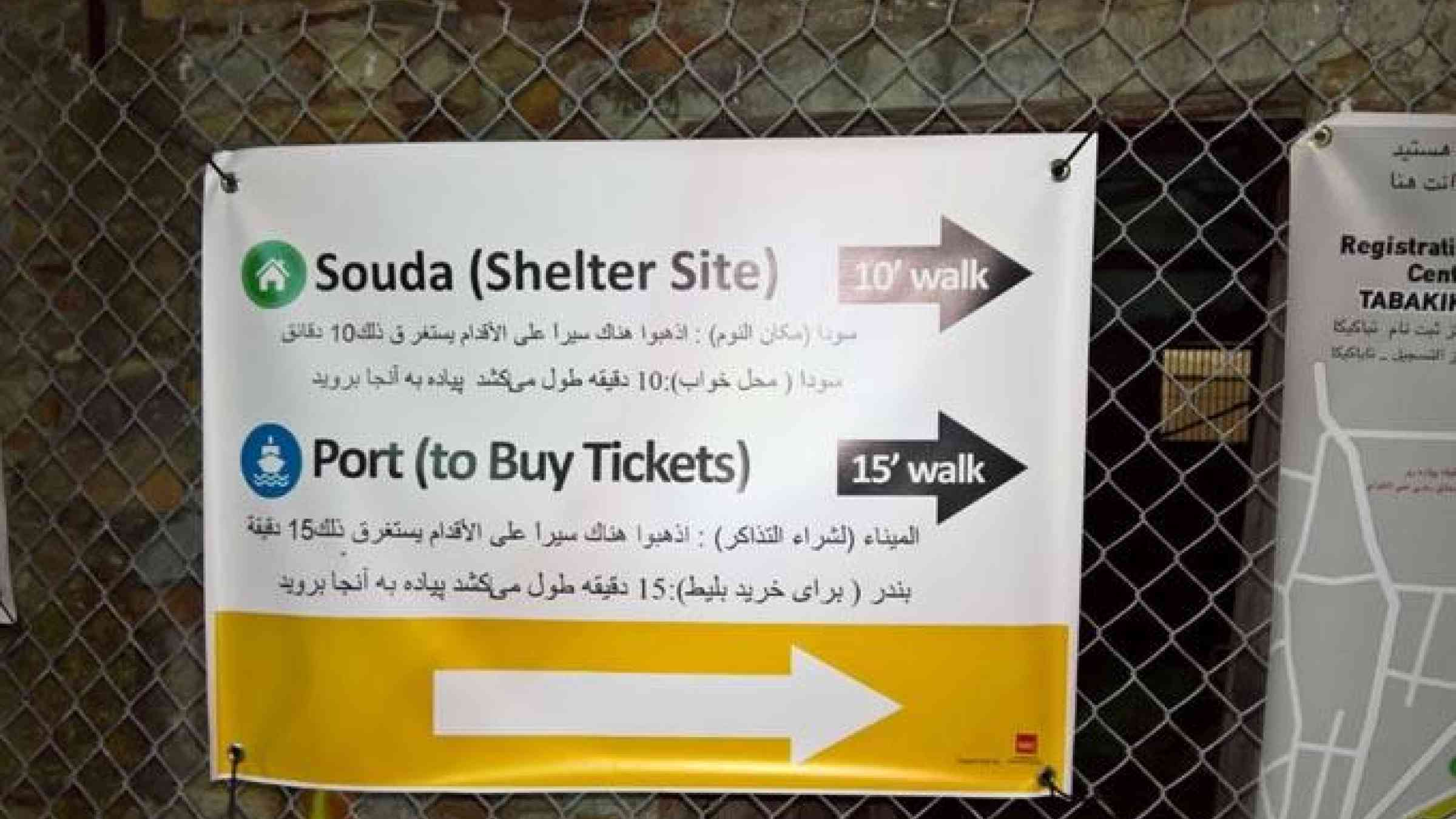
Signs and maps, combining both written and visual information, are crucial. Photo: SciDev.net
Update

People who do not speak the language of government and public broadcasts are more vulnerable when disasters strike. New tech tools are now available to address the information needs of people in crises in multiple languages. An interview with Translators Without Borders.

Science and Development Network
Documents and publications

This brief describes the details of heat action plans launched in 2016 in Nagpur, Odisha and Ahmedabad, India, aimed to increase preparedness, information-sharing, and response coordination to reduce the health impacts of extreme heat on vulnerable

Natural Resources Defense Council
Thailand's Minister of Public Health, H.E. Clin. Prof. Emeritus Piyasakol Sakolsatayadorn said the International Conference was about identifying opportunities to integrate health in disaster risk reduction. (Photo: UNISDR)
Update

The Bangkok Principles were agreed today at the conclusion of the first international conference on the health aspects of the Sendai Framework for Disaster Risk Reduction which was attended by government officials from 54 countries.

United Nations Office for Disaster Risk Reduction (UNDRR)
United Nations Office for Disaster Risk Reduction - Regional Office for Asia and Pacific
Documents and publications

This report focuses on the water crisis in the Gaza Strip, a semiarid region which has been suffering from a severe and exponentially deteriorating water crisis for decades and is highly dependent on the coastal aquifer as its sole source of fresh water

Federal Ministry for Economic Cooperation and Development
Diakonie Katastrophenhilfe
Palestine Agricultural Development Association
Policies and plans
Policy type
Local policies and plans

The 2016 Heat Action Plan is an updated version of the first comprehensive early warning system and preparedness plan for extreme heat events in India launched in Ahmedabad in 2013.

Natural Resources Defense Council
Ahmedabad Municipal Corporation
Documents and publications

This report investigates the futility of trying to build resilience to Ebola and future infectious disease shocks in households and communities without also addressing systemic gender inequality. Particular attention is paid to women’s labour force

African Development Bank
Documents and publications

International Journal of Disaster Risk Science, pp. 1-11, doi:10.1007/s13753-016-0077-6:

This article looks at how population movements are addressed by the Sendai Framework for Disaster Risk Reduction 2015–2030 (SFDRR), and highlights some of the

Elsevier
Uploaded on