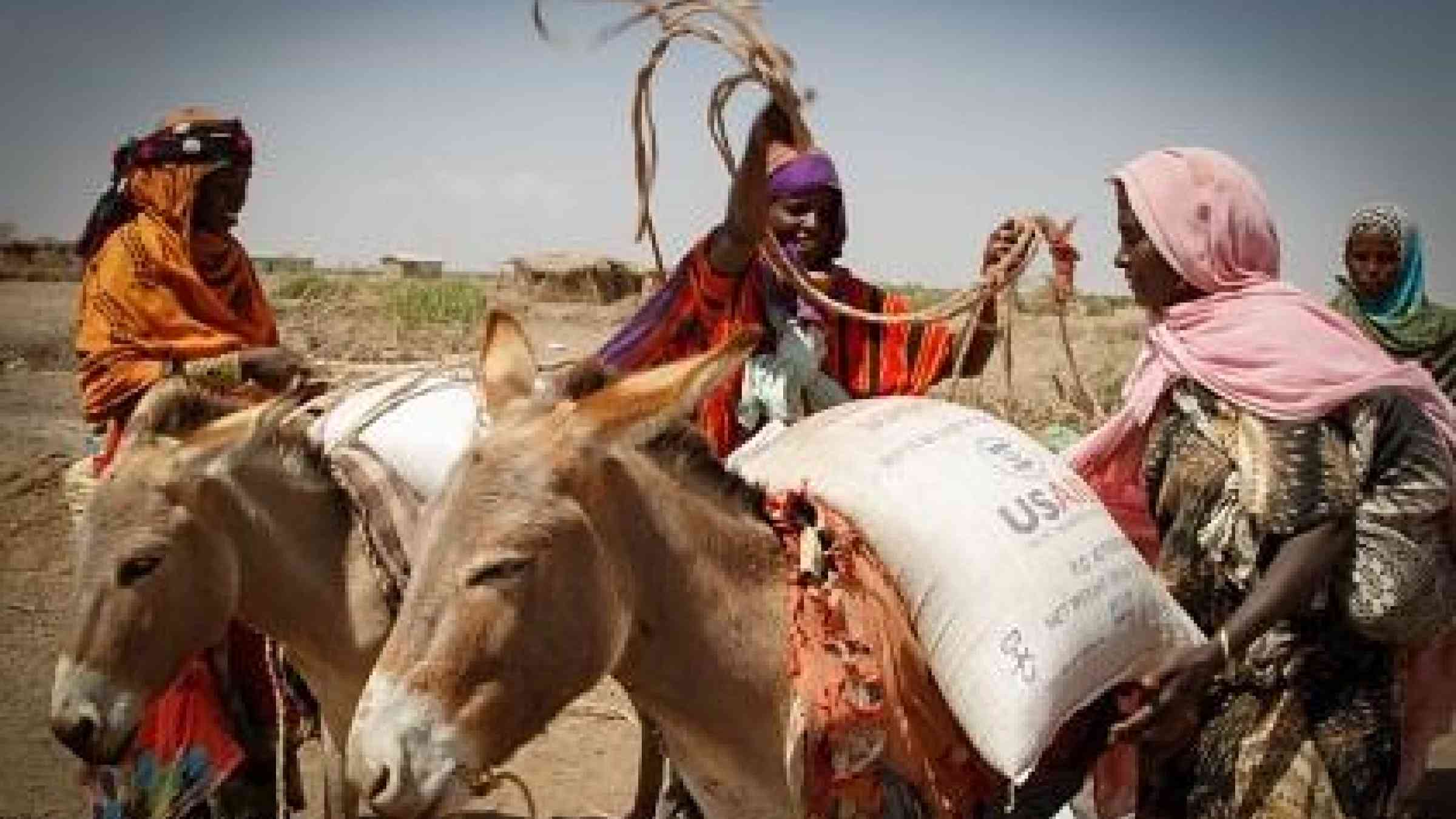
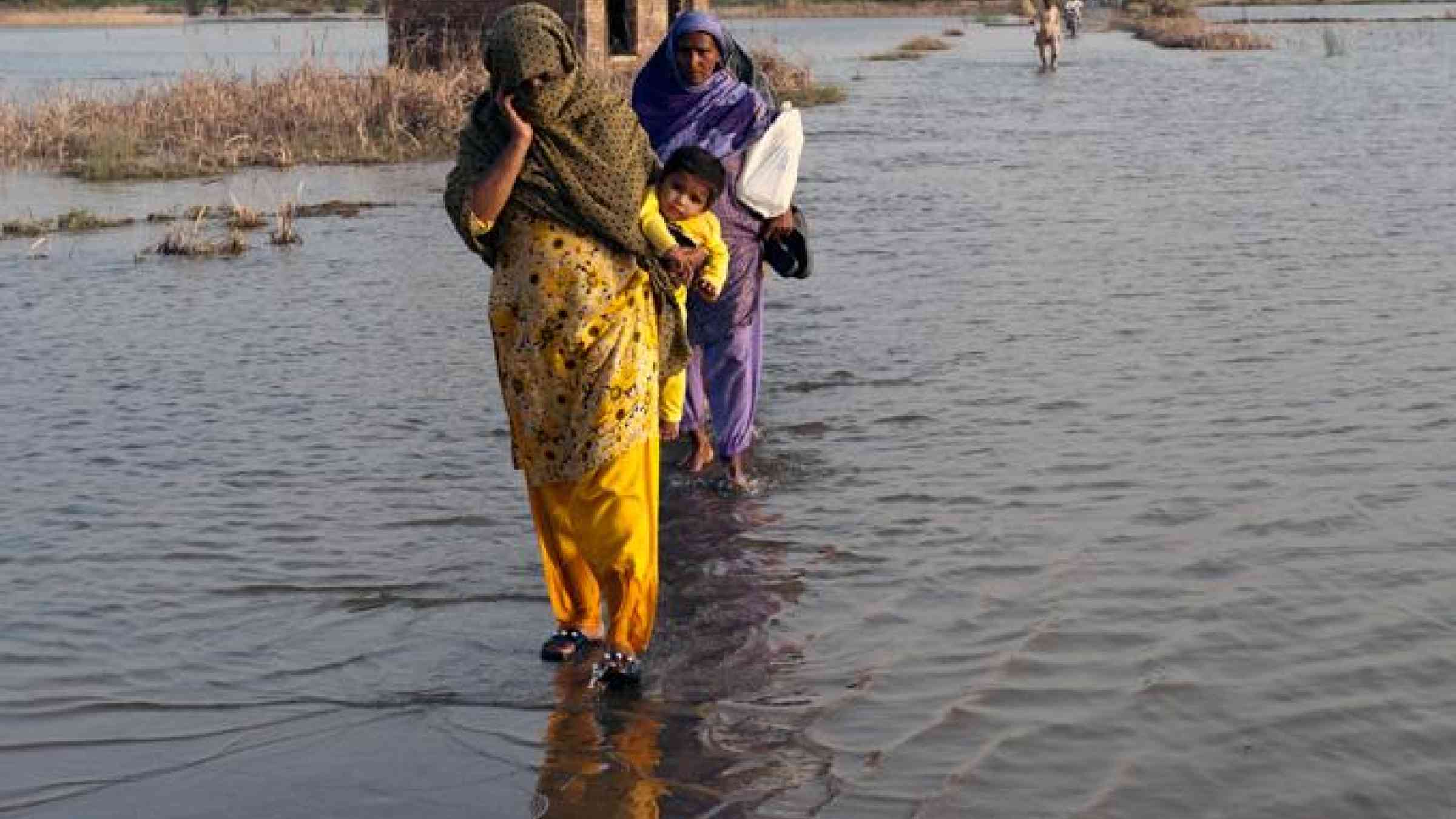
Ensuring an all-of-society engagement and partnership for DRR through empowerment and inclusive, accessible and non-discriminatory participation, paying special attention to people disproportionately affected by disasters, especially the poorest.
Here are five ways countries ensure persons with disabilities are not left behind when the next disaster strikes.
This study examines the institutional networks required to link processes of community-level deliberation to city and national level processes of decision-making and implementation, in the context of urban governance, community development and climate
International Institute for Environment and Development (IIED)
The world needs to do more to tackle the drawn-out impacts of the strongest El Nino in five decades, senior aid and development officials say, underscoring the call for preparedness and resilience in the Sendai Framework for Disaster Risk Reduction.
United Nations Office for Disaster Risk Reduction (UNDRR)
This paper examines the linkages between social protection and resilience to climate change among poor rural households through a case study of the conditional cash transfer programme "Oportunidades" in two rural
As reconstruction begins in Nepal after 2015 Earthquake, this paper looks at land rights and resettlement, and considers Nepal’s opportunity to ‘build back better’ and ensure greater land equality, especially for marginalized people, such as the Dalit caste, indigenous groups (Janajatis), many of whom are also landless, and women. It presents recommendations to help address historic social inequalities and rebuild a stronger more equal Nepal.
This research explores the experiences of Aboriginal and Torres Strait Islander peoples in Darwin when a cyclone, bushfire or severe weather event strikes and in its aftermath, and identifies determinants of vulnerability from the perspective of these
This guide aims to support and educate relevant authorities such as emergency services, local councils and the not-for-profit sector involved in emergency management, and support groups. The intent of the guide is to reduce morbidity and mortality of
Laal Bibi, 16, lives with her family in an under-developed district of the Punjab province in Pakistan which was heavily impacted by floods in 2015. Following that dramatic event, she now takes part in a disaster risk reduction youth group organised by Plan International. A new PI report stresses the importance of consulting children, especially adolescent girls who face a particular risk of exclusion, at all stages of disaster preparedness and response.
European Commission’s Directorate-General for European Civil Protection and Humanitarian Aid Operations (DG ECHO)
Handicap International is conducting natural disaster risk reduction and preparation operations in of Nepal, including setting up early flood warning systems, training members of local disaster planning committees to ensure that vulnerable people are taken into account, and preparing health staff for a major earthquake by training them how to treat large numbers of casualties in hospitals in the Kathmandu Valley.