1. Home
  2. Knowledge Base | PreventionWeb
  3. Themes

Inclusion

Ensuring an all-of-society engagement and partnership for DRR through empowerment and inclusive, accessible and non-discriminatory participation, paying special attention to people disproportionately affected by disasters, especially the poorest.
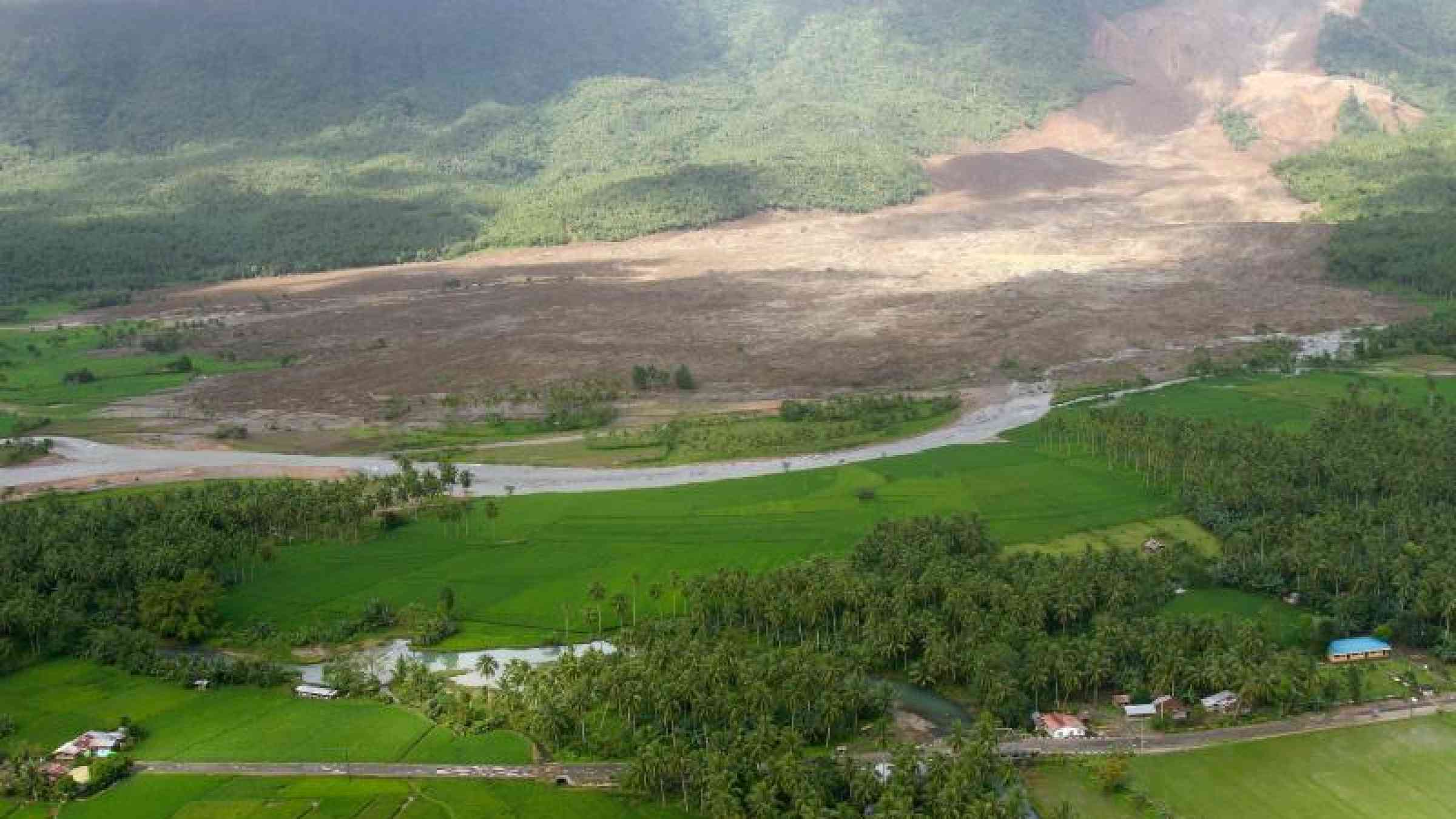
Here are five ways countries ensure persons with disabilities are not left behind when the next disaster strikes.

Latest Inclusion additions in the Knowledge Base

Uploaded on
Update

With frequent volcanic eruptions and a culturally diversified population with many different languages and dialects, Guatemala is facing challenges in establishing widespread disaster preparedness. The government has initiated a partnership with PDC, which includes a five-year action plan to increase disaster resilience and a preparedness assessment program.

Pacific Disaster Center
Documents and publications

This is the fourth report of the revised INFORM’s concept and methodology. INFORM is a composite indicator that identifies countries at risk of humanitarian crisis and disaster that would overwhelm national response capacity. The INFORM index supports a

European Commission
Update

A new report shows that the number of seaside communities in the U.S. that would flood twice a month might double to 170 by 2035. This is due to rising temperatures and melting glaciers that result in rising sea levels. Global efforts to curb greenhouse-gas emissions are necessary in order to minimize the effect.

Los Angeles Times
Photo: CC0 Public Domain
Research briefs

Non-economic loss and damage is particularly visible for women in the Philippines, as they are facing the mutually reinforcing effects of climate-induced disasters and conflict. As rising temperatures and disasters are decreasing agricultural yields, many women leave their homes in search for work in urban areas.

Conversation Media Group, the
Update

The consequences of extreme weather events and disasters in Afghanistan add to existing security risks such as increased food insecurity. Infrastructure investments need to incorporate information on natural hazards in their planning, design and implementation. The World Bank has developed a risk assessment to assist the government with this information.

World Bank, the
Update

In Bangladesh, a severe cyclone strikes every three years and 25% of the land floods annually. The government has invested in strengthening coastal zone resilience through protective coastal infrastructure together with social mobilization and early warning systems build resilience and protect communities' livelihoods against future storms.

World Bank, the
Update

Global warming and rising sea levels continue to threaten low-lying island nations. Unless international negotiations turn into actions, the vulnerable populations will have to leave their island homes. To avoid this migration, land reclamation is proposed as one option for the island inhabitants.

Conversation Media Group, the
Update

A workshop on urban disaster resilience was held in Guatemala on July 12, focusing on disaster risk reduction in Guatemalan hillside communities. The objective was knowledge sharing and engaging different sectors, as it brought together national and local government, civil society, academia, and communities.

Pan American Development Foundation
Uploaded on