1. Home
  2. Knowledge Base | PreventionWeb
  3. Hazards

Technological hazard

Technical or technological disasters are caused by events that can be intense and sudden, induced by human processes. They originate from technological or industrial conditions, dangerous procedures, infrastructure failures or specific human activities (UNGA, 2016).

Technical systems are complex, with many dependent subsystems. The failure of one element within this system can cascade throughout the chain, causing a series of failures leading to a disaster. Technical hazards are increasing due to the scope of technological expansion. They include industrial activity that includes dangerous conditions, processes, all transport systems (land, sea, air), defensive or offensive weapons systems and power plants.

By 2050, most of humanity will live downstream of large dams built in the 20th century.

A new set of emerging technological risks under the Sendai Framework includes Information and communications technology (ICT)-related hazards. The increasing dependence upon complex large-scale network architectures of information technologies also increases exposure to cybersecurity threats. These threats include computer viruses, worms, Trojan horses, malware, spoofing attacks, identity theft, the theft and illegal disclosure of data, the loss of data and contamination of data. They have the potential to disrupt essential infrastructure operations such as communication, health, banking, transportation, energy, education and many other services.

Risk factors

  • Ageing, abandoned or idle installations.
  • Insufficient institutional and legal capacities.
  • Natural hazards: storms, landslides, floods or earthquakes can cause industrial accidents.

Vulnerable areas

  • Residential communities around industrial establishments tend to be most at risk because of their proximity.

Risk reduction measures

  • Assess the risks before planning and building critical infrastructure.
  • Develop policies and practices for continuity management.
  • Integrate the risks into planning, foresee and reduce cascading effects.
  • Create a hazard map to identify people at risk and their vulnerability.
  • Draft national, regional and local response plans.
  • Put in place early warning/monitoring systems to inform response.
  • Ensure contingency and response plans are in place at a national and local level to evacuate people on time.
  • Assess new technologies.
  • Improve crisis communication before, during and after the event.
  • Organize training and exercises for complex scenarios involving multiple interdependent failures.
  • Educate and raise awareness on potential risks.
Latest Technical Disaster additions in the Knowledge Base

Uploaded on
by Flickr user joerodz / jose rodriguez, Creative Commons Attribution-NonCommercial-ShareAlike 2.0 Generic, http://www.flickr.com/photos/jose_el_paparazzi/1354365109/
Update

Following a recent incident involving the Danish cargo ship 'Puma' exposing how little protection Norway has in the event of a radioactive catastrophe, Norwegian authorities called for the development of improved radioactive cargo transport policies...

Foreigner, the
Documents and publications

This document reports on the achievements of the disaster risk reduction pillar of the UNEP Disasters and Conflicts programme's during the third quarter of 2010. It includes: (i) two missions were carried out in relation to the Integrated Strategic

United Nations Environment Programme (UNEP)
Documents and publications

This report reviews the progress made in addressing the vulnerabilities of Small Island Developing States (SIDS) through the implementation of the Mauritius Strategy, which includes natural and environmental disasters.

United Nations - Headquarters
Documents and publications

International Water Power & Dam Construction, August 2010:

This position paper sets out recommendations and guidelines for building dams and appurtenant structures that can withstand the effects of strong tremors. It also calls for effort to be made to

International Commission on Large Dams
Global Trade Media
Update

Israeli research teams with Italy, France, Sweden, Norway, Switzerland and Romania to create a reliable early warning system for railways in order to prevent accidents caused by avalanches, earthquakes and even terrorists...

Tel Aviv University
by Flickr user Meanest Indian / Meena Kadri, Creative Commons Attribution-NonCommercial-NoDerivs 2.0 Generic, http://www.flickr.com/photos/meanestindian/4230166648/
Update

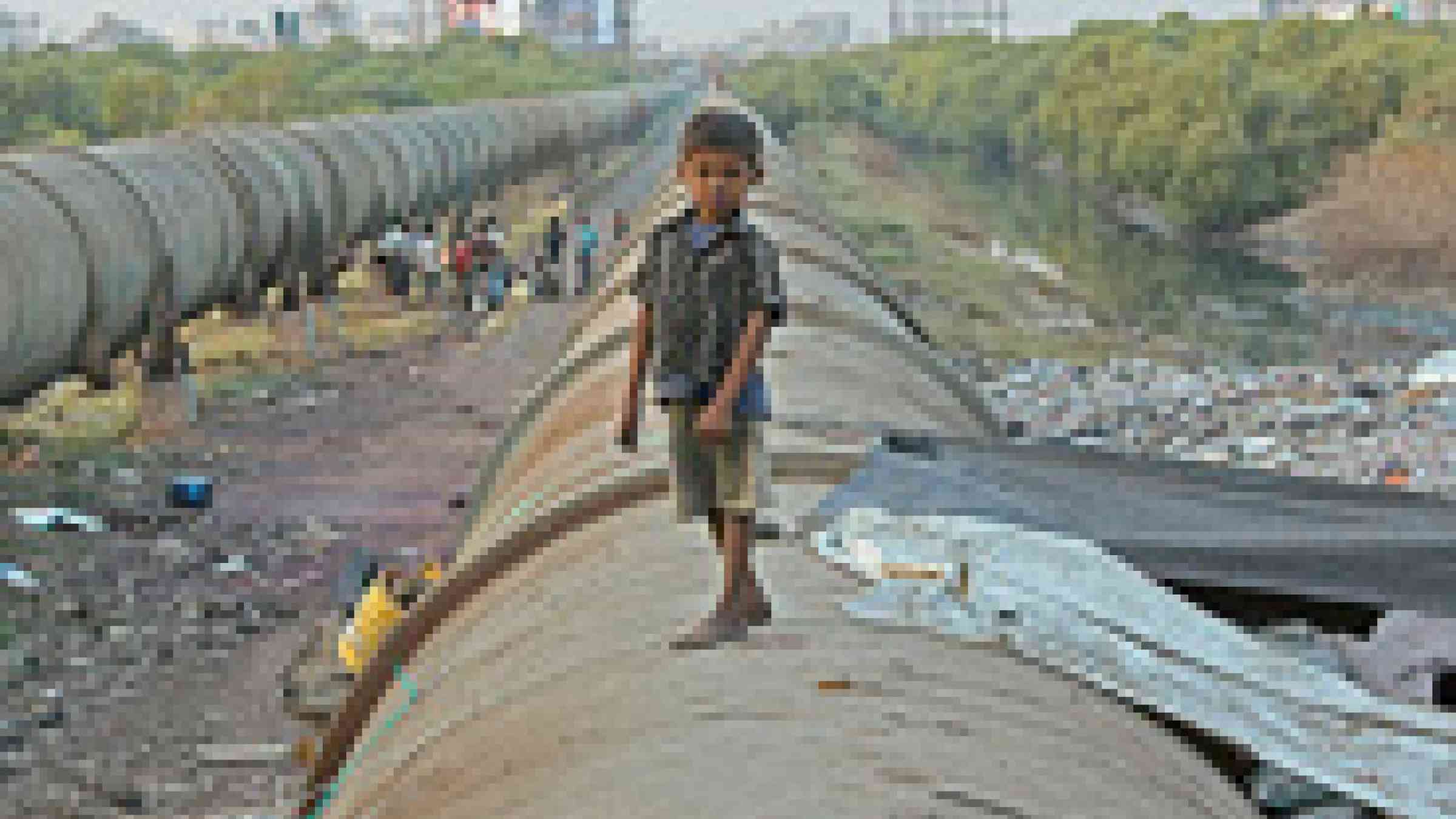
A day after a chlorine gas leak at the Mumbai Port Trust, a disaster risk reduction specialist raises doubts on whether a city with many chemical and pharmaceutical factories is equipped to handle a chemical accident...

Live-Mint/Hindustan Times, HT Media Limited
Documents and publications

This paper assesses tropical storms or hurricanes as potentially important and additional complicating factors that could exacerbate the management of the oil spill in the Gulf of Mexico as the North Atlantic hurricane season officially begins on June 1

AIR Worldwide
Documents and publications

This report summarizes the outcomes of the assessment and desk-review analysis undertaken of achievements in disaster risk reduction (DRR) and the implementation of Hyogo Framework for Action in Kyrgyzstan, which aims to be included in the preparation of

United Nations Office for Disaster Risk Reduction - Sub-Regional Office for Central Asia (historical record)
Uploaded on