1. Home
  2. Knowledge Base | PreventionWeb
  3. Hazards

Technological hazard

Technical or technological disasters are caused by events that can be intense and sudden, induced by human processes. They originate from technological or industrial conditions, dangerous procedures, infrastructure failures or specific human activities (UNGA, 2016).

Technical systems are complex, with many dependent subsystems. The failure of one element within this system can cascade throughout the chain, causing a series of failures leading to a disaster. Technical hazards are increasing due to the scope of technological expansion. They include industrial activity that includes dangerous conditions, processes, all transport systems (land, sea, air), defensive or offensive weapons systems and power plants.

By 2050, most of humanity will live downstream of large dams built in the 20th century.

A new set of emerging technological risks under the Sendai Framework includes Information and communications technology (ICT)-related hazards. The increasing dependence upon complex large-scale network architectures of information technologies also increases exposure to cybersecurity threats. These threats include computer viruses, worms, Trojan horses, malware, spoofing attacks, identity theft, the theft and illegal disclosure of data, the loss of data and contamination of data. They have the potential to disrupt essential infrastructure operations such as communication, health, banking, transportation, energy, education and many other services.

Risk factors

  • Ageing, abandoned or idle installations.
  • Insufficient institutional and legal capacities.
  • Natural hazards: storms, landslides, floods or earthquakes can cause industrial accidents.

Vulnerable areas

  • Residential communities around industrial establishments tend to be most at risk because of their proximity.

Risk reduction measures

  • Assess the risks before planning and building critical infrastructure.
  • Develop policies and practices for continuity management.
  • Integrate the risks into planning, foresee and reduce cascading effects.
  • Create a hazard map to identify people at risk and their vulnerability.
  • Draft national, regional and local response plans.
  • Put in place early warning/monitoring systems to inform response.
  • Ensure contingency and response plans are in place at a national and local level to evacuate people on time.
  • Assess new technologies.
  • Improve crisis communication before, during and after the event.
  • Organize training and exercises for complex scenarios involving multiple interdependent failures.
  • Educate and raise awareness on potential risks.
Latest Technical Disaster additions in the Knowledge Base

Uploaded on
Update

Eric Weddle highlights the expertise of Purdue University specialists that have helped provide valuable assessments and information on natural catastrophes such as the Haitian earthquake and the recent earthquake and tsunami in Japan. More on risk assessment at the Global Platform...

Boilerstation.com - Journal & Courier Media Group
Photo copyright by Flickr user, Oemebam, Creative Commons Attribution-NonCommercial-ShareAlike 2.0 Generic (CC BY-NC-SA 2.0)
Update

'Nobody expected that a tsunami would affect Japan's nuclear plants. And climate change will raise the possibility of such awful, unlikely happenings around the world', says UCLA economics professor, Matthew Kahn in an opinion piece for The Christian Science Monitor...

Christian Science Monitor
Documents and publications

This Journal publishes research papers addressing: (i) theoretical and methodological issues in disaster risk science, emergency response technology and risk management; (ii) disaster risk governance policies and regulations; and (iii) case studies and

Beijing Normal University
Documents and publications

This report, published two weeks after the Great East Japan (Tohoku-Kanto) earthquake and tsunami, provides a synthesis of certain existing data and a basic situation analysis of the situation. It considers the major challenge posed to the disaster risk reduction community by: (i) the earthquake; (ii) the tsunami; (ii) the ongoing nuclear emergency; and (iv) the fires, in terms of damage to (v) human life and (vi) infrastructure. It then focuses on the after event period, especially on the search and rescue operation, as well as on shelters. It also considers the economic impact and the work of volunteers.

Graduate School of Global Environmental Studies, Kyoto University 地球環境学堂・地球環境学舎・三才学林
Documents and publications

This policy brief considers the combination of extreme natural disaster and extreme industrial disaster in one country and the change it may bring in the way we think about and prepare for disasters for years to come. It asserts that civilian preparedness

Center for a New American Security
Documents and publications

This article, from a Professor of Harvard University's John F. Kennedy School of Government, assesses the impacts of the recent earthquake and tsunami that struck Japan, highlighting the success of the seismic damage mitigation efforts through strong

John F. Kennedy School of Government, Harvard University
Documents and publications

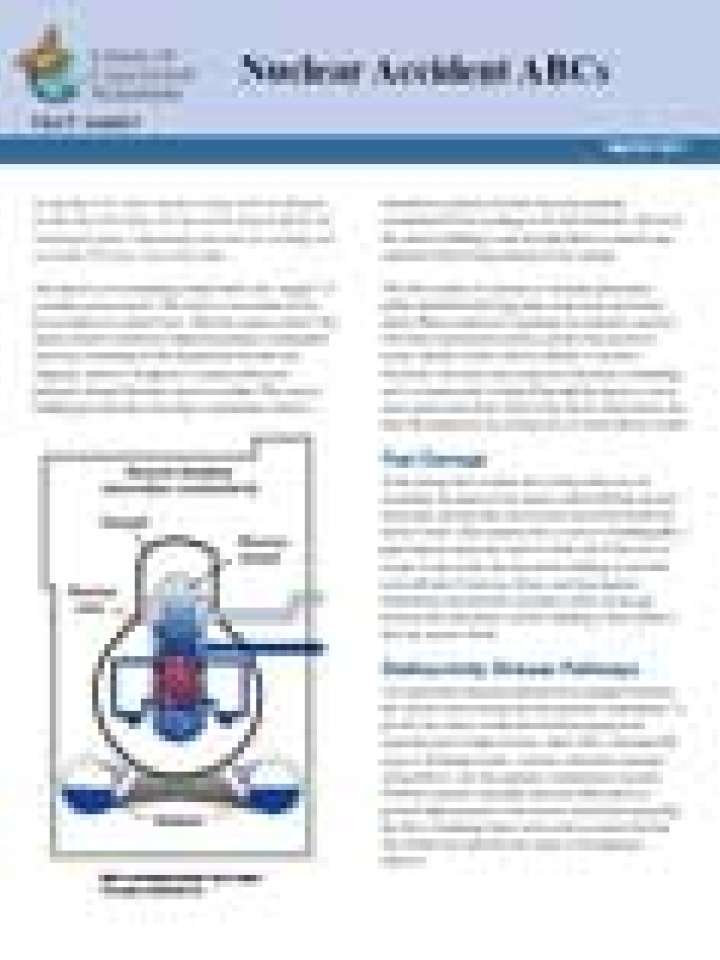
This fact sheet explains the nuclear situation in Japan and the related terms describing the possible state of the reactors that have been used by Japanese officials and international experts. It describes: (i) the reactor building; (ii) the way fuel

Union of Concerned Scientists
Documents and publications

This special report analyses the situation in Japan following the 8.9 earthquake which spawned one of the most powerful tsunamis on record. It states that Japan is among the best prepared countries in the world regarding earthquakes with quake-resistant buildings, drills for school children and households equipped with survival kits. It specifically addresses the attempt to avert a meltdown at a stricken nuclear reactor and the expected colossal economic damage.

Thomson Reuters
Uploaded on