1. Home
  2. Knowledge Base | PreventionWeb
  3. Hazards

Technological hazard

Technical or technological disasters are caused by events that can be intense and sudden, induced by human processes. They originate from technological or industrial conditions, dangerous procedures, infrastructure failures or specific human activities (UNGA, 2016).

Technical systems are complex, with many dependent subsystems. The failure of one element within this system can cascade throughout the chain, causing a series of failures leading to a disaster. Technical hazards are increasing due to the scope of technological expansion. They include industrial activity that includes dangerous conditions, processes, all transport systems (land, sea, air), defensive or offensive weapons systems and power plants.

By 2050, most of humanity will live downstream of large dams built in the 20th century.

A new set of emerging technological risks under the Sendai Framework includes Information and communications technology (ICT)-related hazards. The increasing dependence upon complex large-scale network architectures of information technologies also increases exposure to cybersecurity threats. These threats include computer viruses, worms, Trojan horses, malware, spoofing attacks, identity theft, the theft and illegal disclosure of data, the loss of data and contamination of data. They have the potential to disrupt essential infrastructure operations such as communication, health, banking, transportation, energy, education and many other services.

Risk factors

  • Ageing, abandoned or idle installations.
  • Insufficient institutional and legal capacities.
  • Natural hazards: storms, landslides, floods or earthquakes can cause industrial accidents.

Vulnerable areas

  • Residential communities around industrial establishments tend to be most at risk because of their proximity.

Risk reduction measures

  • Assess the risks before planning and building critical infrastructure.
  • Develop policies and practices for continuity management.
  • Integrate the risks into planning, foresee and reduce cascading effects.
  • Create a hazard map to identify people at risk and their vulnerability.
  • Draft national, regional and local response plans.
  • Put in place early warning/monitoring systems to inform response.
  • Ensure contingency and response plans are in place at a national and local level to evacuate people on time.
  • Assess new technologies.
  • Improve crisis communication before, during and after the event.
  • Organize training and exercises for complex scenarios involving multiple interdependent failures.
  • Educate and raise awareness on potential risks.
Latest Technical Disaster additions in the Knowledge Base

Uploaded on
Update

Despite immense insured losses of USD 116 billion (a 142% increase over the previous year) arising from record earthquake and flood losses, the insurance industry weathered the year well and played a key role in risk management and post-disaster recovery financing...

Swiss Reinsurance Company (Swiss Re)
Documents and publications

Bulletin of the Atomic Scientists, March/April 2012, 68(2) pp. 9–21:

This article presents the findings of an independent investigation panel, established by the Rebuild Japan Initiative Foundation, to review how the government, the Tokyo Electric Power

Sage Publications
by Flickr user Gonzalo Déniz, Creative Commons BY-NC-SA 2.0, http://www.flickr.com/photos/gdeniz/5535514993/
Update

According to two reports that came this week, the Fukushima nuclear accident was to a large extent preventable, despite the complex situation with cascading disasters, reveals Aron Lamm in his article for The Epoch Times...

Epoch Times, the
Documents and publications

This paper argues that the Fukushima plant would have withstood the tsunami had its design previously been upgraded in accordance with state-of-the-art safety approaches. It asserts that the analysis of past tsunami was insufficient and that Japan did not

Carnegie Endowment for International Peace
Documents and publications

The purpose of this action plan is to define a programme of work to strengthen the global nuclear safety framework. The plan consists of actions building on the Ministerial Conference on Nuclear Safety convened in June 2011, the conclusions and

International Atomic Energy Agency
Update

'Further lessons would continue to be learned from the Fukushima accident, as they were from earlier accidents such as Chernobyl and Three Mile Island, and that strong cooperation between the IAEA and WANO would be a vital element in this process'...

International Atomic Energy Agency
Update

'Building codes pay, early warning systems pay, it saves lives. Drills, training, public education and awareness also pay off and save lives,' said the UN disaster risk reduction chief...

United Nations Department of Public Information
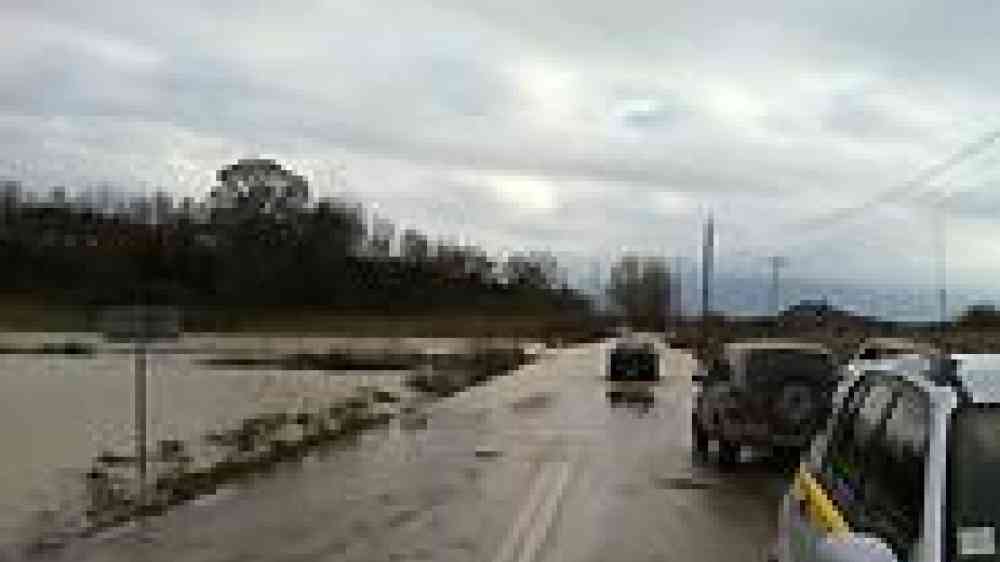
by Flickr user PIAZZA del POPOLO / Joanna, Creative Commons BY 2.0, http://www.flickr.com/photos/piazzadelpopolo/6653701961/
Update

According to Novinite, Bulgaria's President Rosen Plevneliev stressed for a series of measures to deal with the damage and devastation from recent floods in southern Bulgaria following a dam failure...

Novinite.com, Sofia News Agency
Uploaded on