Epidemic and pandemic
Epidemic is an unexpected increase in the number of disease cases in a specific geographical area (CDC). A pandemic is the worldwide spread of a disease (WHO, 2021).
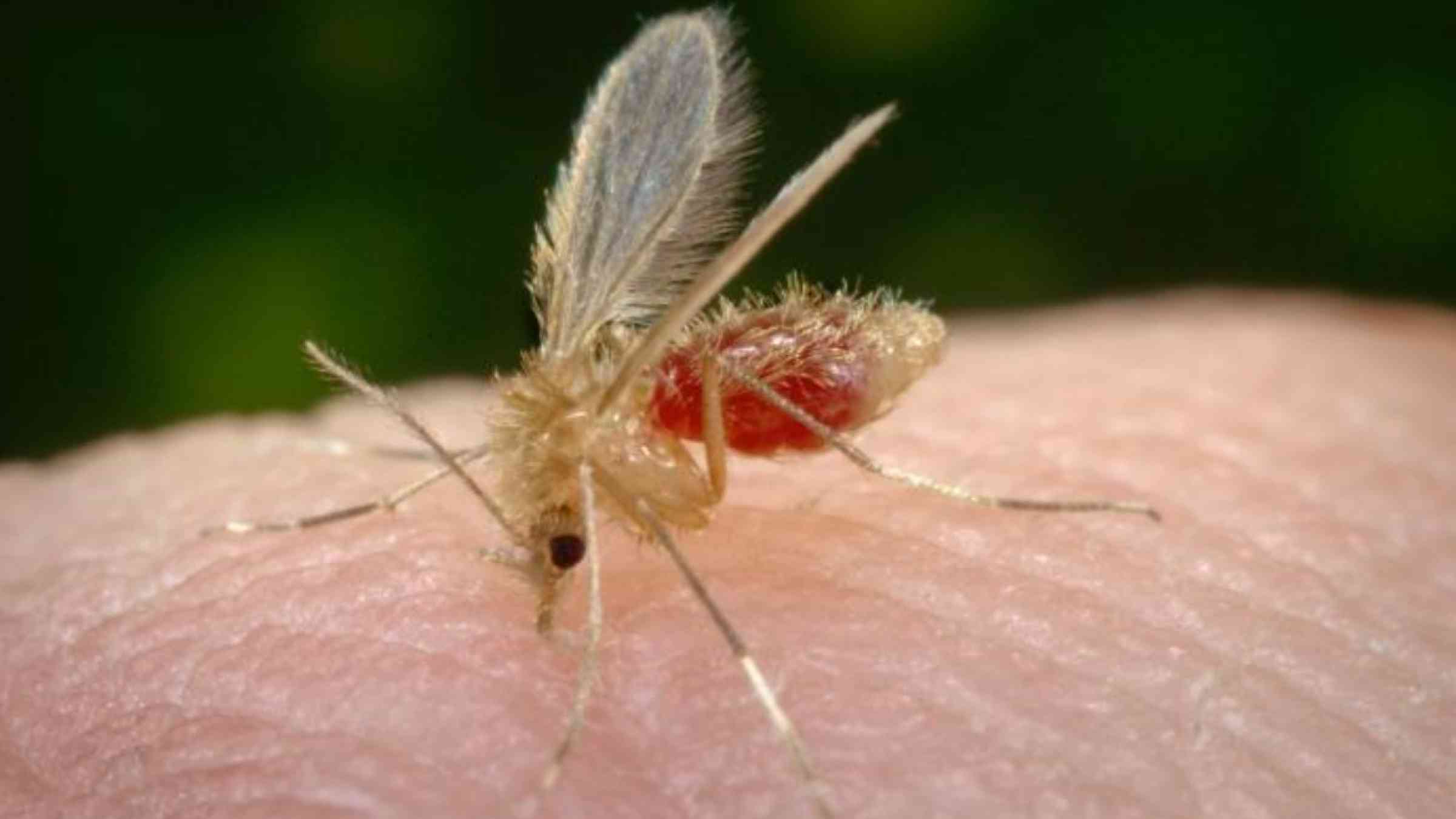
Epidemic, pandemic and biological disasters are caused by hazards of organic origin, including bacteria, viruses, parasites, mosquitoes carrying disease-causing agents, and toxins or bioactive substances that occur naturally or are deliberately or unintentionally released. These hazards can lead to economic and environmental damage and loss of life, affecting people and animals at the population level as well as crops, livestock and endangered species of flora and fauna.
Epidemic diseases infect millions every year, and the COVID-19 pandemic illustrates the breadth and depth of the transformative impact of biological disasters. According to the WHO, the pandemic cost more than 6.8 million lives between March 2020 and March 2023, and sparked the deepest economic recession in decades. The 21st century has already experienced several major infectious disease epidemics – old diseases such as cholera and plague have returned, and new ones like severe acute respiratory syndrome (SARS), Middle East respiratory syndrome (MERS), and H1N1 pandemic influenza have emerged. Further epidemics and pandemics are almost certain; the only unknowns are when and where a new lethal threat will emerge. Examples of other recent outbreaks, epidemics or pandemics include Ebola in the Democratic Republic of Congo (2018–2020) and West Africa (2013–2016), and the Zika virus in the Americas and Pacific regions (2015–2016).
Risk factors
Biological hazards are driven by a complex set of factors ranging from:
- The ease of spread of biological hazards.
- Exposure.
- Susceptibility to becoming infected.
- Capacity of individuals, communities, countries and international actors to reduce risks and manage the consequences of outbreaks.
Vulnerable areas
Biological hazards affect people at all levels of society and in all countries because
- Infectious diseases travel easily across borders.
- New pathogens continue to emerge by mutating, adapting and travelling from one species to another.
- Biological hazards can be endemic, that is constantly present in a community – they pose low risk when the population is largely immune, but risk becoming epidemics when they are introduced to a new host community with no immunity.
Risk reduction measures
- Ensure hospitals and health care can continue working when they are most needed.
- Build resilient infrastructure.
- Assess potential risks before planning and building hospital.
- Have a hazard map to identify people at risk and their vulnerability.
- Have a national or local plan in place to plan and anticipate.
- Train staff on potential risks.
- Install a monitoring system to predict and proceed to early evacuation.
- Ensure contingency and response plans are in place at a national and local level to evacuate people on time.
- Educate people and raise awareness on potential risks.
Other considerations
The HIV/AIDS pandemic, which has claimed more than 32 million lives since it was identified in 1981, shows how biological hazards often exploit the fault lines of society, spreading in the shadows of marginalisation, disruption and conflict.
Droughts, floods, earthquakes and large displacements of populations also create conditions favourable for disease transmission.