Drought and Desertification
A drought is a period of abnormally dry weather characterized by a prolonged deficiency of precipitation below a certain threshold over a large area and a period longer than a month (WMO, 2020).
It is a weather-related natural hazard, which can affect vast regions for months or years, significantly impacting economic performance, particularly food production. Millions of people are affected by droughts each year and it is expected that vulnerability to drought will increase due to population increases, environmental degradation, development pressures and climate change.
There is little, if anything, that can be done to alter the occurrence of droughts. However, it is important that scientists try to understand and communicate the probability of drought events of various levels of intensity and duration. The World Meteorological Organization (WMO) has adopted the Standardized Precipitation Index (SPI) as a global standard to measure meteorological droughts on the basis of rainfall data.
The Integrated Drought Management Programme (IDMP), co-sponsored by the WMO and the Global Partnership Water (GWP), have developed a three pillar approach to Integrated Drought Management. These pillars include: drought monitoring and early warning; drought vulnerability and impact assessment; and drought mitigation, preparedness and response. IDMP developed the National Drought Management Policy Guidelines, which include a 10-step process to assist countries in developing national drought plans and policies (WMO and GWP, 2014).
Drought types
Meteorological drought: Occurs when dry weather patterns dominate an area. It is defined usually on the basis to the degree of dryness and the duration of the dry period.
Agricultural drought: Occurs when agricultural production becomes affected. It focuses on precipitation shortages, differences between actual evapotranspiration, soil water deficits, reduced groundwater and so on.
Hydrological drought: Occurs when low water supply becomes evident and is associated with the effects of periods of precipitation shortfalls on surface or subsurface water supply.
Socio-economic drought: Relates to the supply and demand of some economic goods with elements of meteorological, hydrological, and agricultural drought. It also occurs when the demand for an economic good exceeds supply as a result of a weather-related shortfall in water supply.
Drought risk factors
Drought risks are associated with:
- Deficient or erratic rainfall.
- Poverty and rural vulnerability.
- Poor water and soil management.
- Weak or ineffective governance.
- Climate change.
Vulnerable areas
Droughts affect all climactic regions, but parts of Africa are among the most vulnerable.
- For example, in the African Sahel, warmer and drier conditions have led to a reduced growing season with detrimental effects on crops.
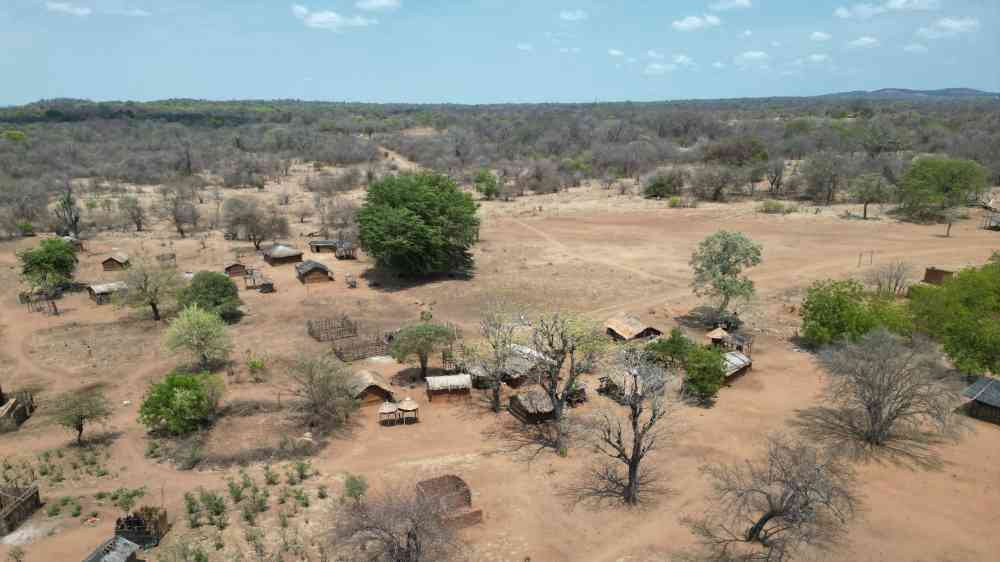
- In southern Africa, longer dry seasons and more uncertain rainfall are prompting adaptation measures.
- Poor rural households, whose livelihoods depend on rain-fed subsistence agriculture, are the social groups most exposed and vulnerable to drought.
- Droughts are rarely, or solely, responsible for conflicts, but they can contribute to the likelihood of conflict by increasing competition for scarce resources and by exacerbating ethnic tensions, usually due to displacement or migration.
Risk reduction measures
- Policy and governance, political commitment for drought risk management.
- Drought risk identification, impact assessment and early warning, including hazard monitoring and analysis.
- Design and implementation of anticipatory actions to mitigate the impact of drought before it occurs to reduce the need for humanitarian assistance.
- Drought awareness and knowledge management to create the basis for a culture of drought risk reduction and resilient communities.
- Development of water-saving practices and policies to promote and enforce sustainable land and water management.
- All of these elements need strong political commitment, community participation, and consideration of local realities and indigenous knowledge.