1. Home
  2. Knowledge Base | PreventionWeb
  3. Hazards

Avalanche

An avalanche is a mass of snow and ice falling suddenly down a mountain slope and often taking with it earth, rocks and rubble of every description (WMO, 1992).

Thousands of avalanches occur every year, killing an average of 500 people worldwide. Avalanches occur when massive slabs of snow break loose from a mountainside and shatter like broken glass as they race downhill. These moving masses can reach speeds of 130 km/hour within about five seconds. They cannot always be predicted but the weather conditions, which make them more likely, can be forecast in advance. Most accidents now occur because people ignore warnings. The majority of avalanche incidents are due to slab avalanches with skiers involved. Avalanches are bigger, travel greater distances and are triggered earlier in the year. These changes can be attributed clearly to rising temperatures, which have reached 0.2 to 0.4 degrees annually in some parts of the Himalayas.

New simulations can improve avalanche forecasting.

Avalanche protection and control measures include early warning which is key (EAWS). By way of controlled explosions, artificial avalanche triggering aims temporarily to safeguard possible starting zones (SLF). Defensive structures prevent the formation of avalanches. In order circumstances, when an avalanche is released, it can be diverted or intercepted by a dam. Other means of protection against avalanches include physical structures for buildings and snow sheds (SLF).

Avalanche risk factors

  • Quick changes in weather, snowpack and terrain.
  • Increasing human populations: winter sports lovers at ski resorts and developers building in vulnerable locations.
  • Climate change.

Vulnerable areas

  • Human settlements in avalanche-prone zones.
  • Rural mountainous villages with no early warning systems.
  • Human settlements with no forest cover.
  • Skiing populations and tourists not educated in avalanche risk.

Risk reduction measures

  • Not constructing buildings, roads, etc. in avalanche hazard areas.
  • Early warning systems at local and national levels.
  • Information on avalanches, their impacts and risks for tourism information offices.
  • Tree planting to protect against the release of avalanches.
  • Building codes and appropriate materials to reinforce resilience.
  • Raising awareness, educating and training residents and visitors on what to do before, during and after an avalanche.
Latest Avalanche additions in the Knowledge Base

Uploaded on
Documents and publications

The National Risk Index (The Index) is an online tool to help illustrate the nation's communities most at risk of natural hazards. It is made possible through a collaboration between FEMA and dozens of partners in academia; local, state and federal

Federal Emergency Management Agency (FEMA)
Documents and publications

This document addresses the serious risks posed to the vulnerable mountain communities by glacial lake outburst floods (GLOFs), avalanches, flash floods and other new and evolving threats exacerbated by rapid global warming, fragile mountain cryosphere

Swiss Agency for Development and Cooperation, Federal Department of Foreign Affairs
National Disaster Management Authority (India)
Documents and publications

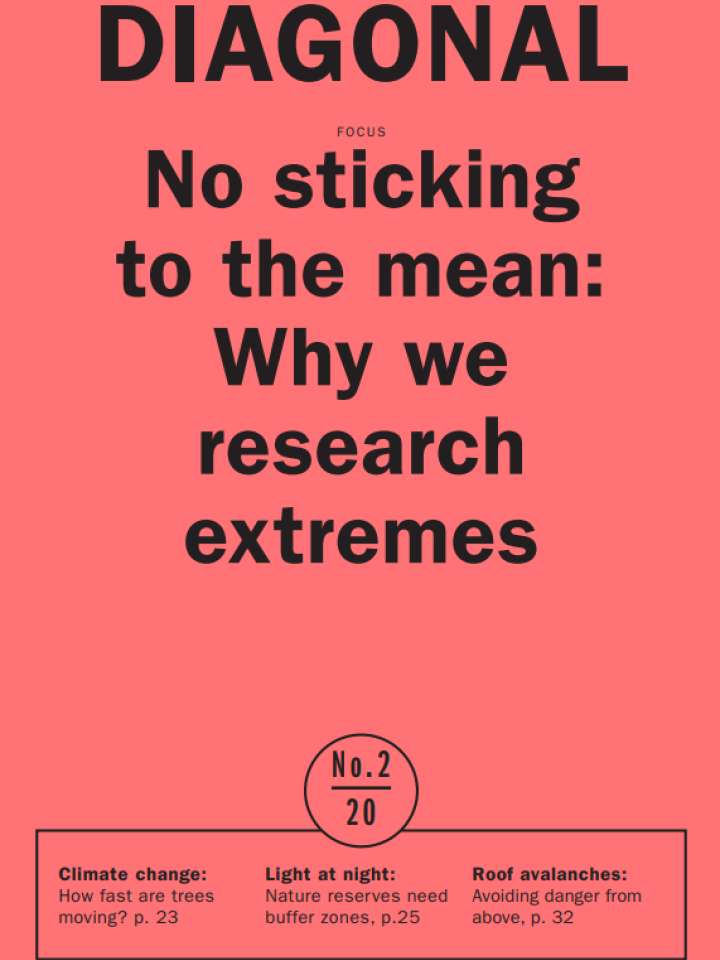
This swiss magazine is dedicated to a specific topic: scientific research on extreme events and environments. Its structure is divided in different articles related to extreme events.

  1. Thinking the unthinkable (p.4): extreme events are rare, but have

WSL Institute for Snow and Avalanche Research (SLF)
Swiss Federal Research Institute for Forest, Snow and Landscape Research (WSL)
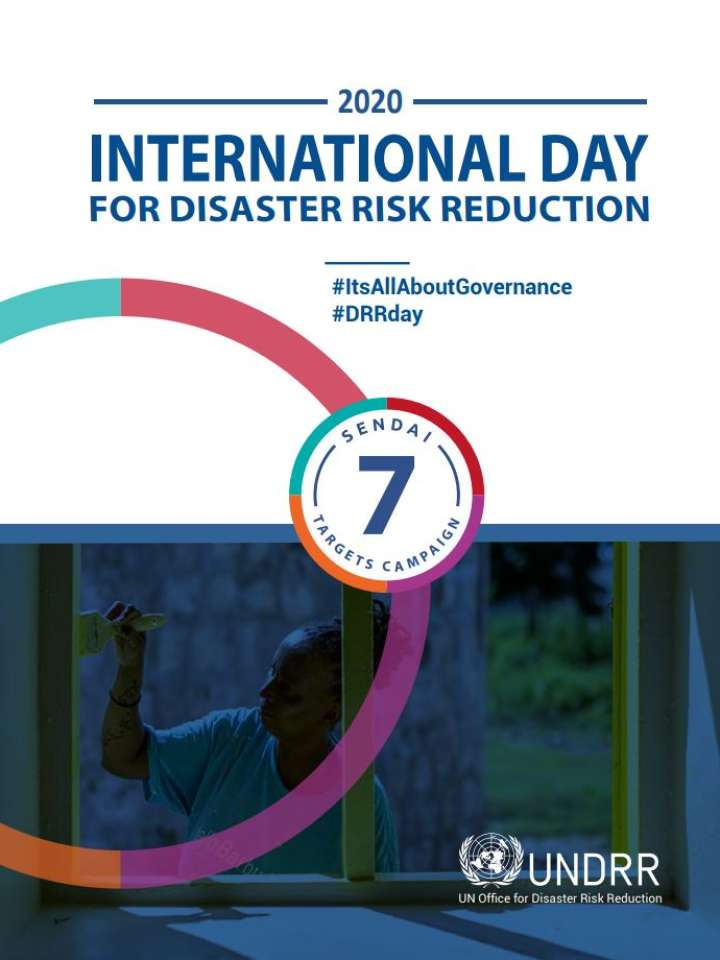
Concept Note International Day for Disaster Risk Reduction

An opportunity to acknowledge the progress being made toward reducing disaster risk and losses in lives, livelihoods and health in line with the Sendai Framework for Disaster Risk Reduction 2015-2030.

United Nations Office for Disaster Risk Reduction – Regional Office for the Americas and the Caribbean
Documents and publications

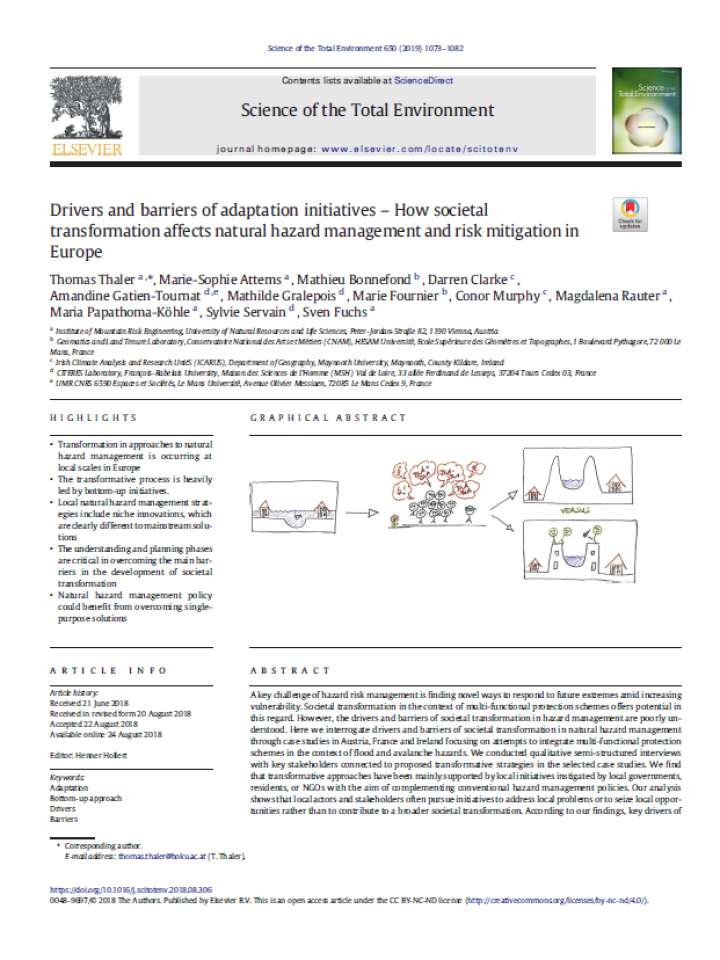
In this study, the authors interrogate drivers and barriers of societal transformation in natural hazard management through case studies in Austria, France and Ireland focusing on attempts to integrate multi-functional protection schemes in the context of

Science of The Total Environment (Elsevier)
Documents and publications

The Intergovernmental Panel on Climate Change (IPCC) published its Special Report on the Ocean and Cryosphere in a Changing Climate in September 2019. 

This publication offers a guide to the IPCC’s Special Report on the Ocean and Cryosphere prepared for

ODI Global
SouthSouthNorth
Climate and Development Knowledge Network
ICLEI – Local Governments for Sustainability, South Asia
Documents and publications

This publication offers a guide to the IPCC’s Special Report on the Ocean and Cryosphere prepared for decision-makers in Latin America by the Climate and Development Knowledge Network (CDKN).

ODI Global
SouthSouthNorth
Fundación Futuro Latinoamericano
Climate and Development Knowledge Network
Policies and plans
Policy type
Regional policies and plans

This report addresses the occurrence of natural hazards which include; floods, flash floods, seismic activity, along the mountainous north and west, and land sliding as well as prolonged spells of impoverishing droughts in the arid zones of the province

Pakistan - government
Uploaded on