1. Home
  2. Hubs: tools and knowledge
  3. Wildfire Portal

Water

Wildfires can affect water resources by damaging watersheds, degrading water quality and disrupting water supply systems.

Ash, debris and contaminants from burned landscapes can impact rivers, reservoirs and groundwater, while increased demand during firefighting and recovery can place additional pressure on water resources. Explore the latest research, insights and resources on the impacts of wildfires on water and the measures needed to protect water security and strengthen resilience.
Uploaded on
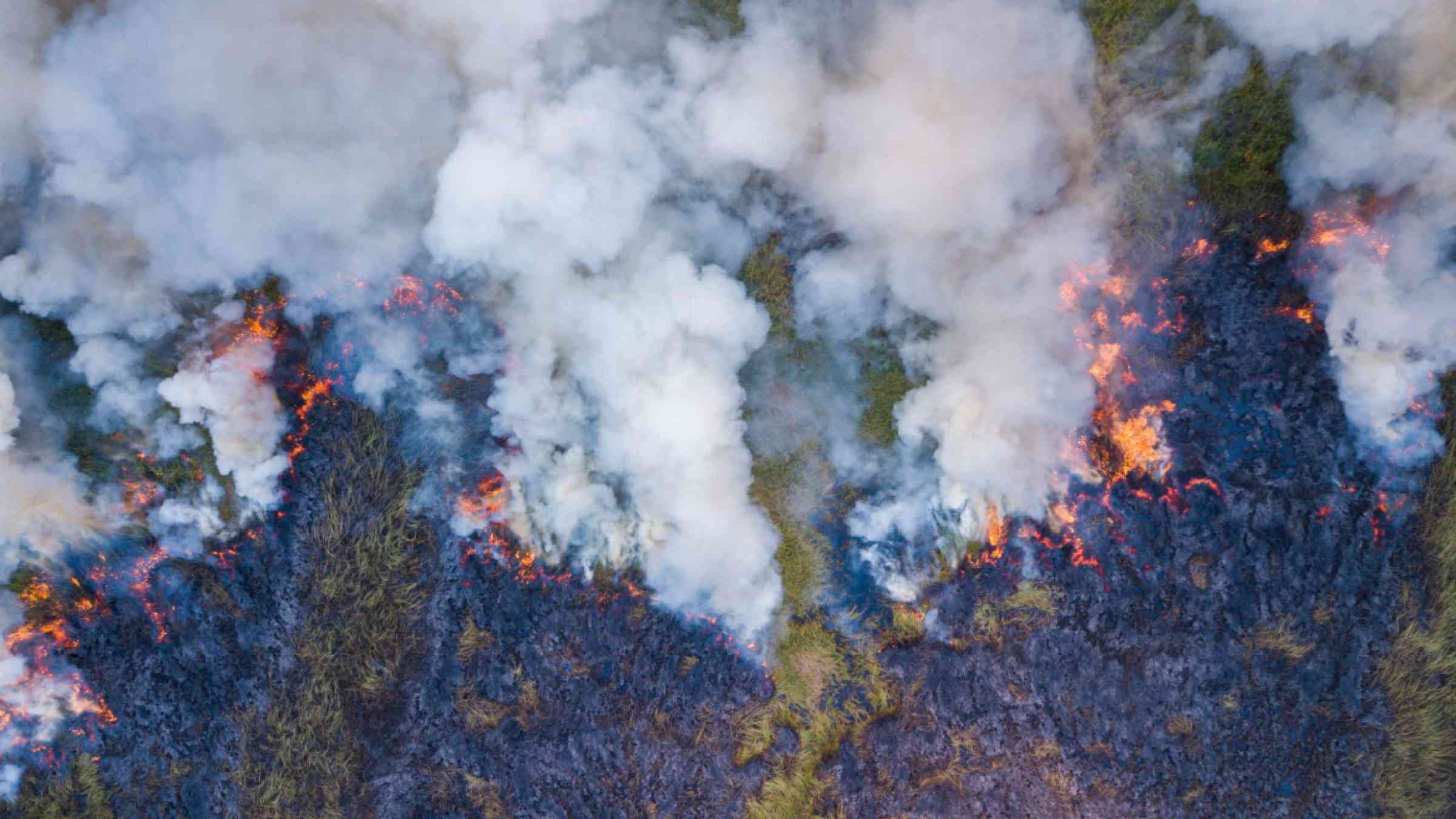
Aerial view of forest grass being burned
Research briefs
Brazil: El Niño exacerbates effects of drought on Amazon groundwater

Using satellite images and data from fires, researchers have been able to demonstrate the relationship between the climatic phenomenon and the propensity for firesin the Amazon, creating a tool that could help with future prevention efforts.

São Paulo Research Foundation (Agência FAPESP)
Children's shadow in front of a wildfire
Update
Wildfires don’t just burn farmland − they can contaminate the water

The August 2023 Maui wildfires, the deadliest in the U.S. in over a century, devastated homes, tourism, and agriculture. Fires smoldered underground for weeks, destroying water systems, with some contamination still being studied.

Conversation Media Group, the
Cover
Documents and publications

This report focuses on understanding community impacts and needs after the August 2023 Maui wildfires. A rapid survey-based field investigation was conducted two weeks after the incident.

Environmental Science: Water Research & Technology
Update
USA: New focus on strategic monitoring of wildfire impacts on water

After a wildfire, loss of canopy vegetation and changes to soil properties can occur that leads to more water flowing over land during rainfall. This can lead to flooding, erosion, and the movement of sediment, ash, pollutants and debris to surface water

United States Geological Survey (USGS)
Research briefs
Closer water monitoring needed as wildfires increase

With climate change leading to increases in the size and frequency of wildfires, UC Santa Cruz researchers warn that such disasters can change the chemistry of nearby streams that people and wildlife depend on for drinking water.

University of California, Santa Cruz
Update
Israel: Extreme heat waves, floods and weakened security for 2050

Extremely hot days and heat waves will increase, floods and wildfires will intensify, agriculture and public health will be threatened and rising sea levels will encroach on Israel's coastline. Here is Israel's climate change forecast for 2050.

Haaretz Daily Newspaper Ltd.
Research briefs
US: Lessons on wildfires' impacts to drinking water systems

Wildfire damage to drinking water systems can significantly delay a community’s economic recovery. The costliest disaster in Colorado’s history, the Marshall Fire of 2021, resulted in more than $2 billion in losses.

Purdue University
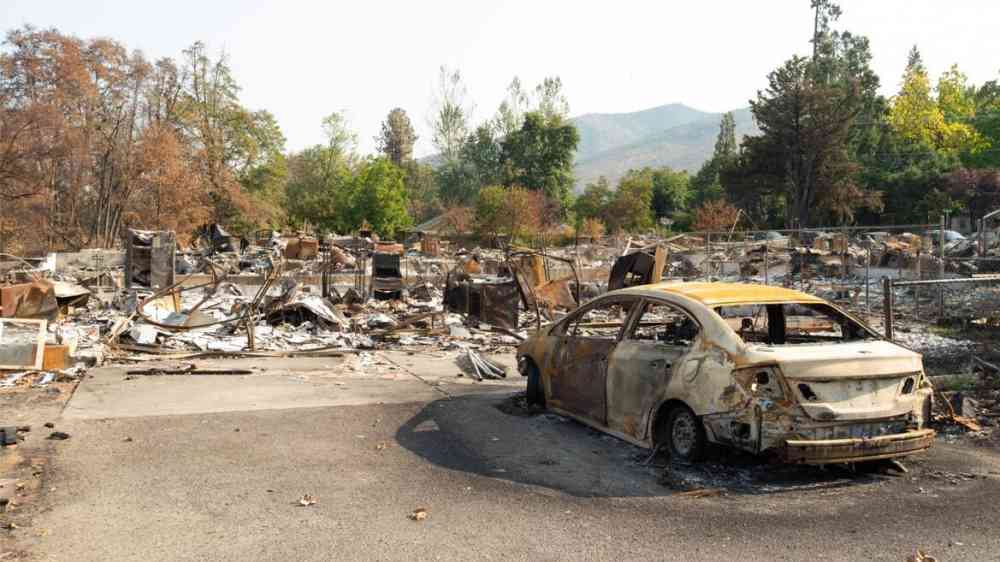
A burned out car sits among the remains of a burned neighborhood from wildfires, healthy vegetation in the background
Research briefs
Pollutants from burning structures linger in waterways post-wildfire

As wildfires increase and burn more human-made material, more research is needed on the release of toxic materials into watersheds, according to a new review.

American Geophysical Union
Uploaded on