1. Home
  2. Hubs: tools and knowledge
  3. Wildfire Portal

Resilient development

Resilient development integrates wildfire risk into the way communities are planned, built and managed, reducing exposure and vulnerability before disasters occur.

Preventing new development in the highest-risk areas, maintaining defensible space around settlements, protecting critical infrastructure and preserving natural buffers can all help reduce the likelihood that wildfires become catastrophic disasters.

Resilient building and mitigation practices are a cornerstone of this approach. Fire-resistant construction materials, ember-resistant design, appropriate roofing and ventilation systems, and the use of building codes tailored to wildfire hazards can significantly improve the survivability of homes and public infrastructure.

Uploaded on
Update

More structures are at risk than ever before, and there's a lot that could be done to protect them and improve community resilience. The benefits far outweigh the costs.

Governing
Documents and publications

This handbook presents some basic information on safe construction practices. Its purpose is to provide guidance on choices regarding settlement planning in risky environments, as well as on the building techniques to improve individual shelters. The

International Federation of Red Cross and Red Crescent Societies (IFRC)
arboursabroad/Shutterstock
Update

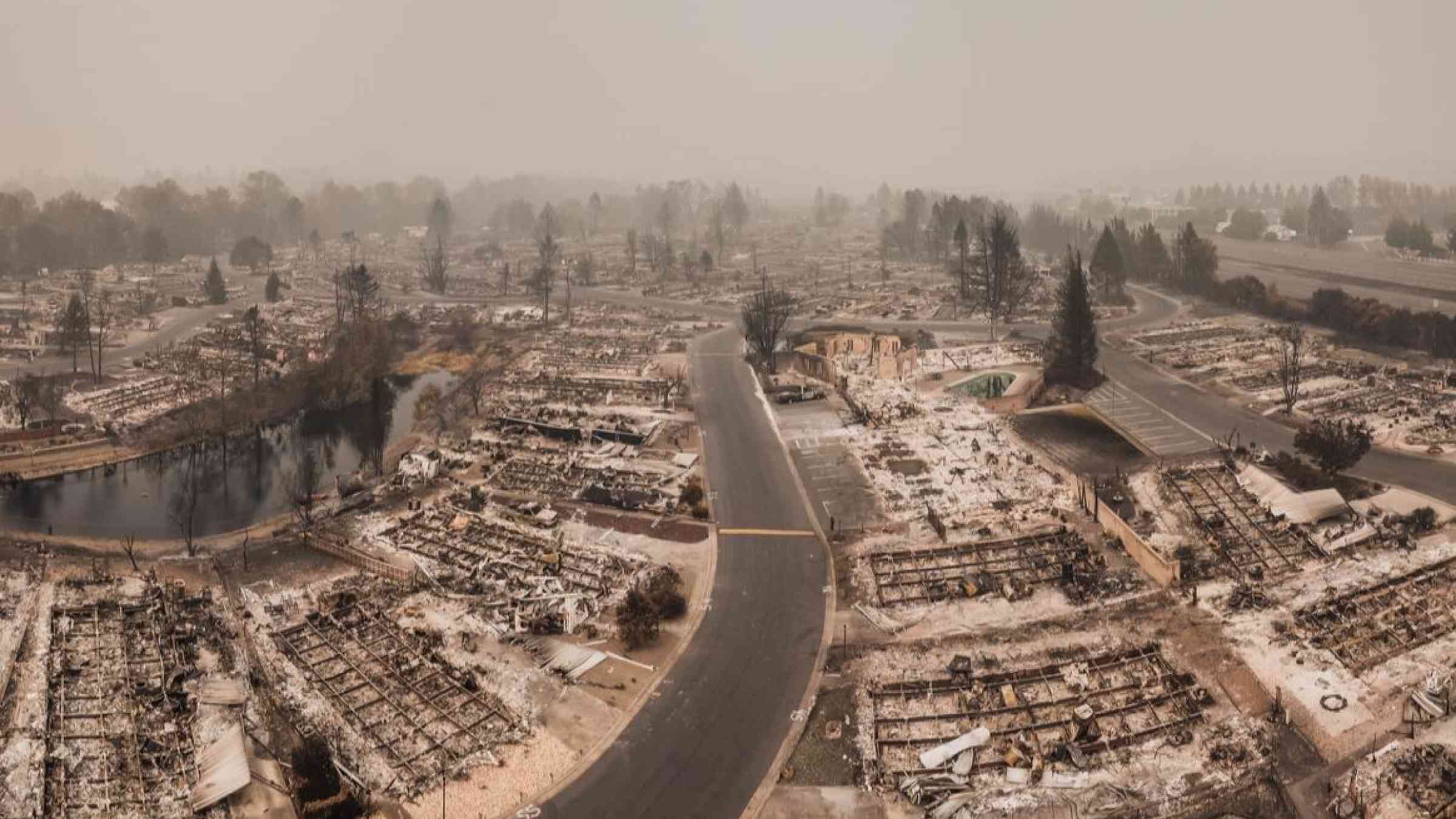
The Almeda Fire quickly engulfed entire neighbourhoods. Especially hard hit were low-income residents, who've struggled to find affordable housing.

Seattle Times Company, The
Update

A majority support outright bans on construction in disaster-prone areas, as well as paying people to move, researchers say — policies that local governments have been reluctant to adopt.

New York Times, the
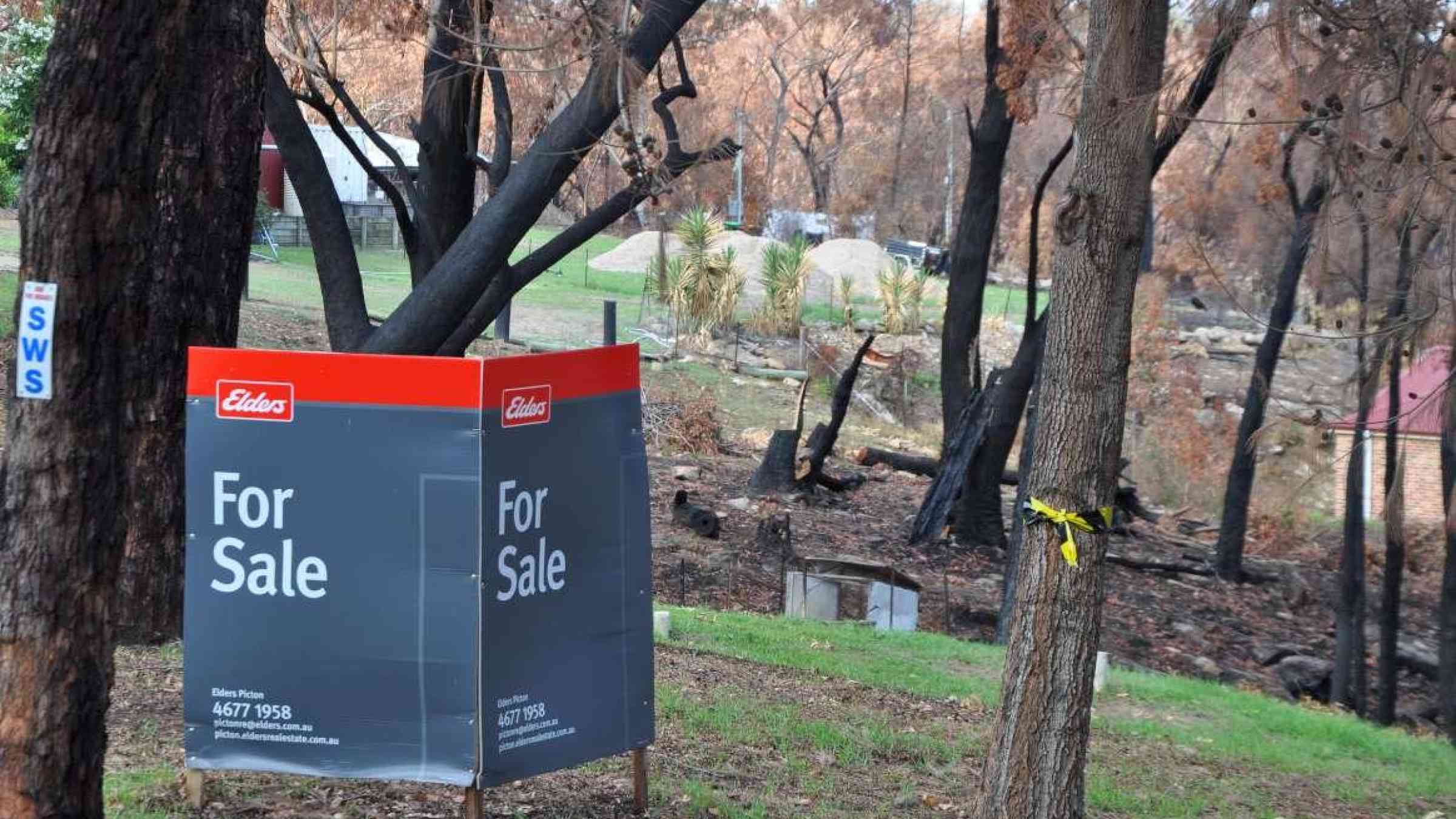
Aftermath of the bushfire in Buxton, New South wales, Australia (2020).  Elizabeth Caron / Shutterstock.com
Update

We should stop developing into high-risk areas, as the associated land clearing is too significant to our ecosystems and may still result in houses being lost.

Conversation Media Group, the
Update

Earth-covered houses are not only highly fire-resistant, but sustainable features such as off-grid power and water supplies could also be life-saving in a bushfire.

Conversation Media Group, the
Update

Bushfire-safe rooms - built from fire-resistance material and resistant to toxic gas - could work as last resort shelters.

Conversation Media Group, the
Update

Any practical building exposed to an intense bushfire will probably burn down. Allowing people to build in such areas will create unmanageable problems for the future.

Conversation Media Group, the
Uploaded on