1. Home
  2. Hubs: tools and knowledge
  3. Wildfire Portal

Resilient development

Resilient development integrates wildfire risk into the way communities are planned, built and managed, reducing exposure and vulnerability before disasters occur.

Preventing new development in the highest-risk areas, maintaining defensible space around settlements, protecting critical infrastructure and preserving natural buffers can all help reduce the likelihood that wildfires become catastrophic disasters.

Resilient building and mitigation practices are a cornerstone of this approach. Fire-resistant construction materials, ember-resistant design, appropriate roofing and ventilation systems, and the use of building codes tailored to wildfire hazards can significantly improve the survivability of homes and public infrastructure.
Uploaded on
Cover
Documents and publications

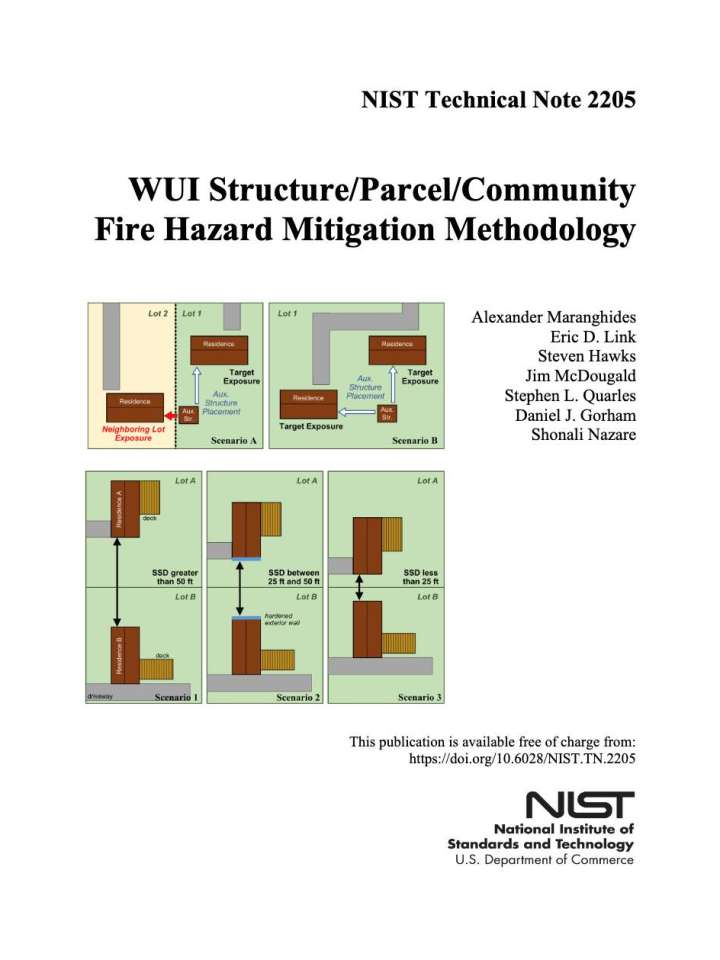
This report documents the methodology and addresses the critical issues of mitigation effectiveness at the parcel and community level. It gives an implementable path forward by considering the spatial relationships between fuels, exposures, and hardening.

National Institute of Standards and Technology
California Department of Forestry and Fire Protection
Insurance Institute for Business and Home Safety
Update

Developed by fire safety experts at NIST, CAL FIRE and IBHS, the guidance provides dozens of protective actions — and the context in which each should be taken — all backed by the latest fire science.

National Institute of Standards and Technology
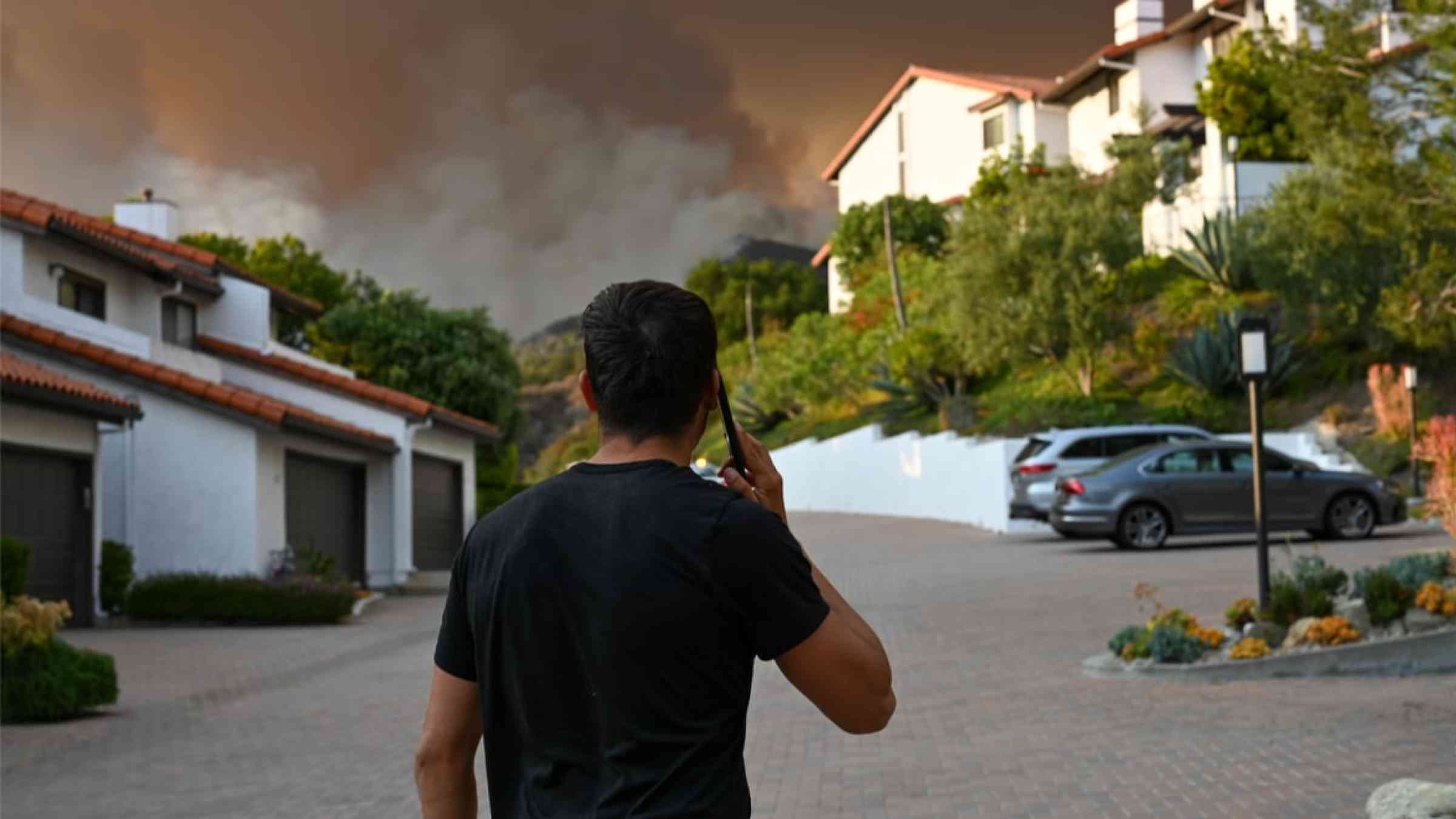
Man on the phone looking at a wildfire in a residential area in California, USA (2021).
Update

This article presentes some key strategies that communities and anyone building in the wildland-urban interface need to consider. Research shows that every $1 spent on prevention can save at least $6 in emergency rescue and recovery later.

Conversation Media Group, the
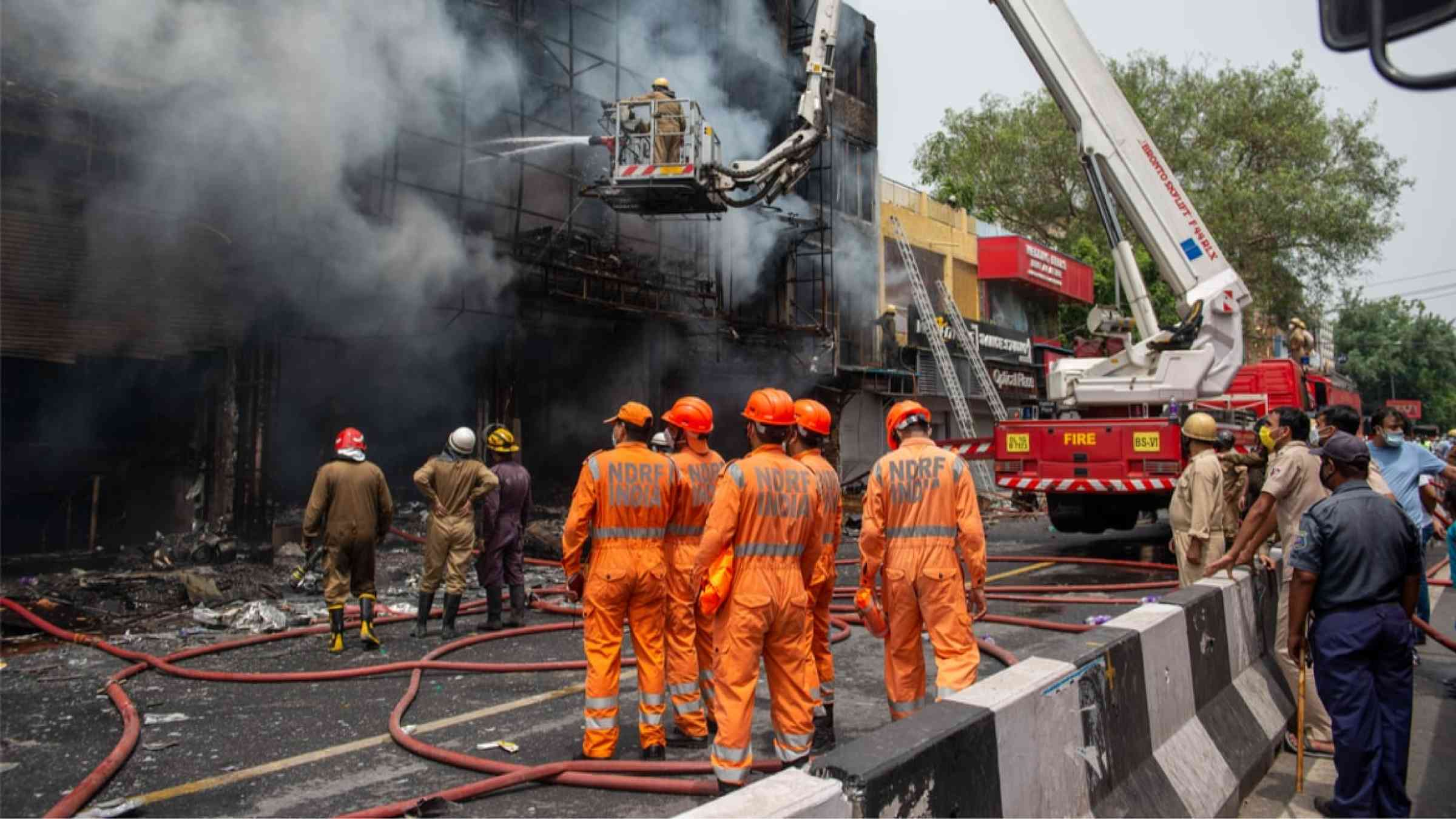
Disaster management team in front of a burned shop in New Delhi, India (2021)
Update

More than 2.7 million Californians live in places with a high or extremely high risk of wildfire, as of 2007. That number is expected to increase, as the state is now updating its Fire Hazard Severity Zone maps.

University of California, Davis
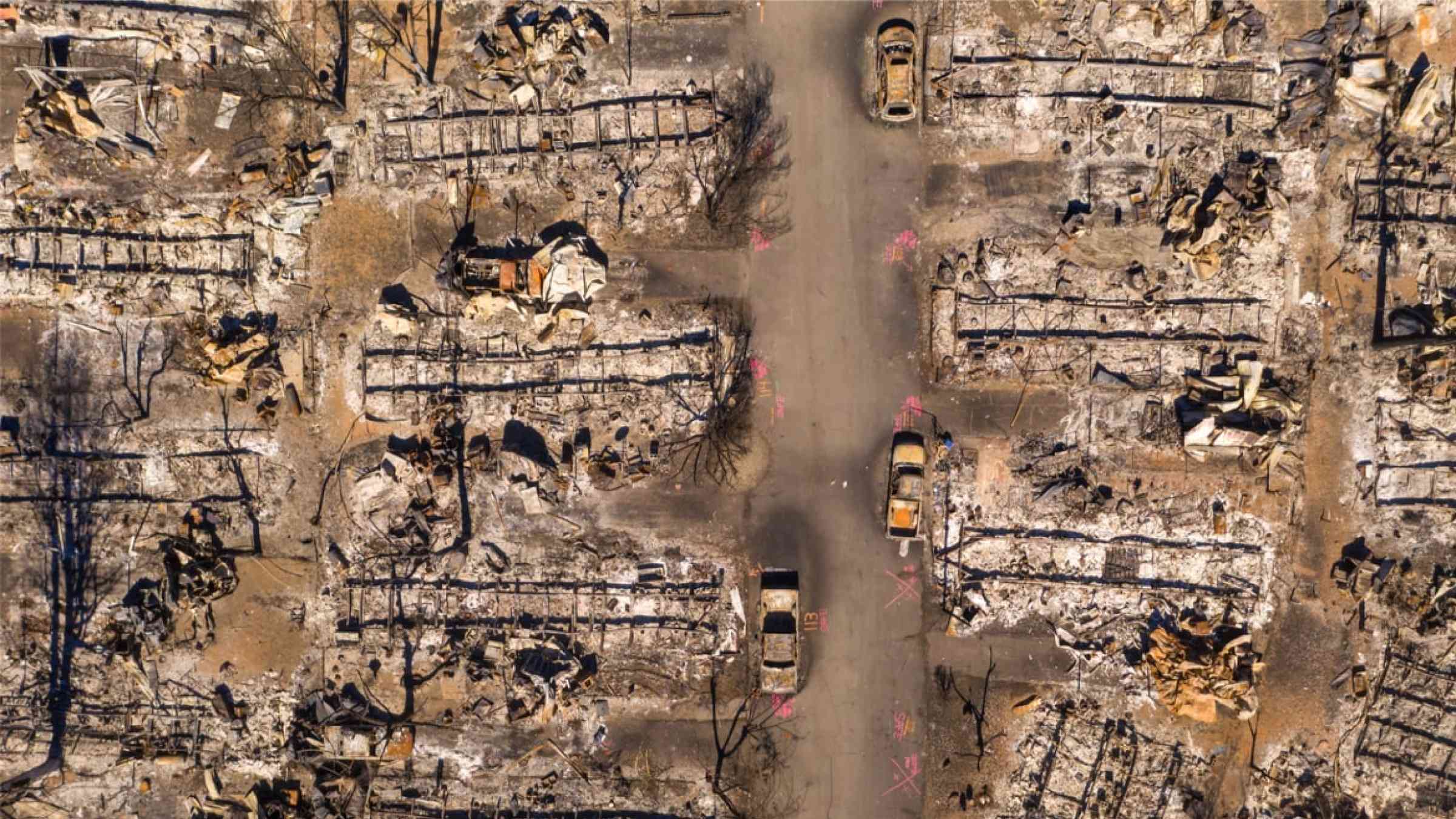
Burned mobile home park in Phoenix Talent Medford, Oregon (2020)
Research briefs

A deep learning approach to classifying buildings with wildfire damage may help responders focus their recovery efforts and offer more immediate information to displaced residents.

Stanford University
Documents and publications

The guideline identifies a suite of best practice building and landscaping measures, using tailored, site-specific solutions to adapt buildings for bushfire resilience. The guideline is based on extensive research into the attack mechanisms of bushfires

Commonwealth Scientific and Industrial Research Organisation
Queensland Government
Update

Llast weekend’s heat wave ushered in the start of Australia’s next bushfire season. Do existing construction regulations prove tough enough?

Fifth Estate, the
Update

It’s clear Australia has a lot to learn about managing risk and the most effective strategy is better planning where and how we live and build.

Conversation Media Group, the
Uploaded on