1. Home
  2. Hubs: tools and knowledge
  3. Wildfire Portal

Resilient development

Resilient development integrates wildfire risk into the way communities are planned, built and managed, reducing exposure and vulnerability before disasters occur.

Preventing new development in the highest-risk areas, maintaining defensible space around settlements, protecting critical infrastructure and preserving natural buffers can all help reduce the likelihood that wildfires become catastrophic disasters.

Resilient building and mitigation practices are a cornerstone of this approach. Fire-resistant construction materials, ember-resistant design, appropriate roofing and ventilation systems, and the use of building codes tailored to wildfire hazards can significantly improve the survivability of homes and public infrastructure.

Uploaded on
Wildfire in Stanislaus National Forest, California, 2013
Update

Increased wildfires in the U.S. stem from fire suppression, climate change, and risky urban development. Solutions include adapting homes, prescribed burns, and fire-resilient policies. Everyone shares the responsibility to solve this problem.

Conversation Media Group, the
Update

When fire rages across a landscape, wood can go up in flames. But dirt does not burn, so some people are drawing inspiration from age-old earthen building methods to help create more fire-resilient homes.

Yale Climate Connections
Training course
Online
This course will give you an overview of the challenges posed by fire, and the fire safety solutions available to meet those challenges.
  • University of Maryland
Stop disasters game
Educational materials

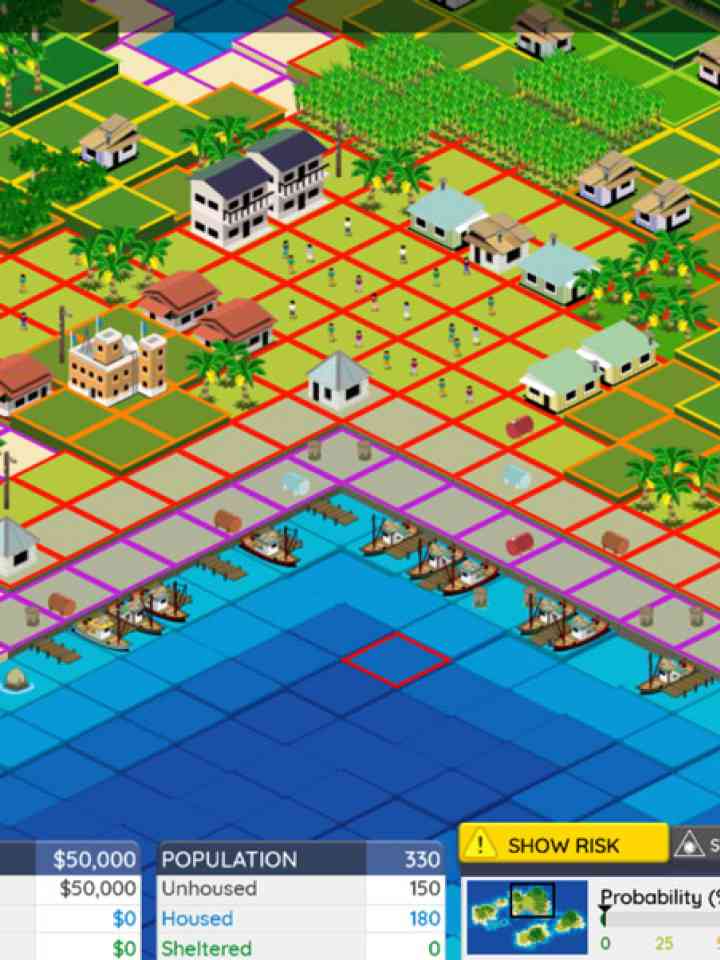
In this game users learn through playing how the location and the construction materials of houses make a difference when disasters strike and how early warning systems, evacuation plans and education save lives.

United Nations Office for Disaster Risk Reduction (UNDRR)
Update

A new report offers practical guidance to help Canadians living in forested and grassland regions to follow well-tested actions that can reduce the risk of their home burning by up to 75 per cent.

University of Waterloo
Research briefs

A research team attempted, for the first time, to quantify the value of U.S. property at risk in forested areas exposed to increased wildfire and tree mortality associated with climate stresses and beetle infestation.

PhysOrg, Omicron Technology Ltd
University of Utah
Update

Amid a fire season that has seen a record number of blazes, wildfires and poor air quality are top-of-mind concerns for commercial property developers, industry insiders say.

Globe and Mail, the
Cover
Documents and publications

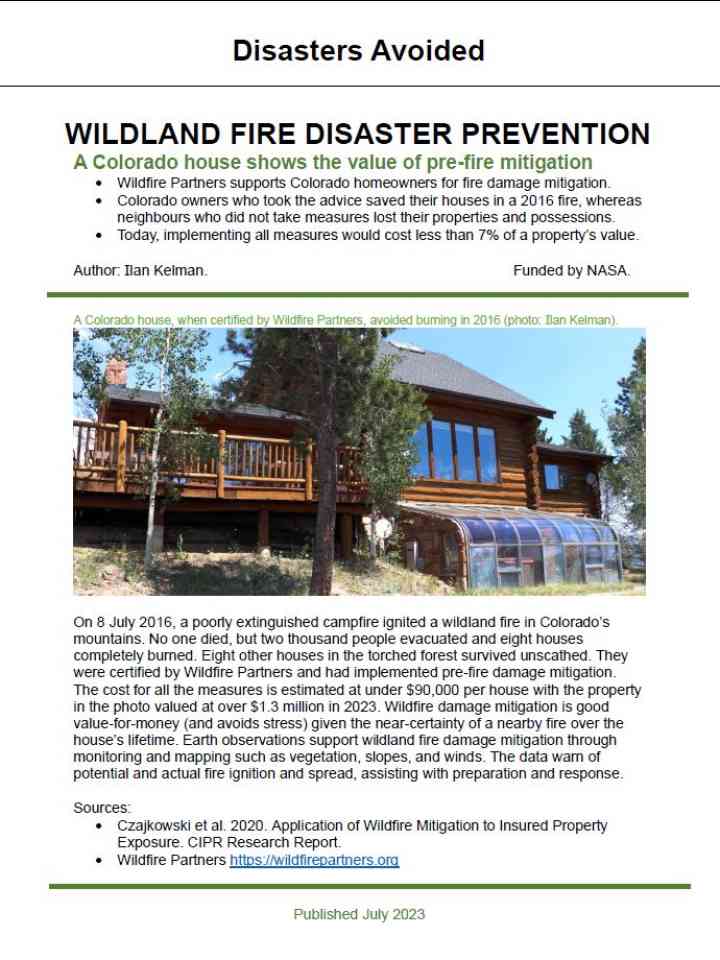
This case study looks closer at a Colorado house, certified by Wildfire Partners, which avoided burning in 2016 by wildfire.

Disasters avoided
Uploaded on