1. Home
  2. Hubs: tools and knowledge
  3. Wildfire Portal

Resilient development

Resilient development integrates wildfire risk into the way communities are planned, built and managed, reducing exposure and vulnerability before disasters occur.

Preventing new development in the highest-risk areas, maintaining defensible space around settlements, protecting critical infrastructure and preserving natural buffers can all help reduce the likelihood that wildfires become catastrophic disasters.

Resilient building and mitigation practices are a cornerstone of this approach. Fire-resistant construction materials, ember-resistant design, appropriate roofing and ventilation systems, and the use of building codes tailored to wildfire hazards can significantly improve the survivability of homes and public infrastructure.

Uploaded on
After a wildfire: Considerations for building environmental testing  thumbnail
Documents and publications

This resource, made accessible for property owners and health officials, is designed to help people better understand and resolve building safety questions in recovery after wildfires.

Purdue University
Wildfire damage, Santa Rosa, California
Research briefs

A new UC Berkeley-led study demonstrates how two mitigation strategies — home hardening and defensible space — can have a major impact on wildfire destructiveness.

University of California, Berkeley
Cover
Documents and publications

To inform Colorado’s code development process, Headwaters Economics partnered with the University of Colorado Denver to assess what the barriers to statewide adoption might be and how policy design and communications strategies could help overcome them.

Headwaters Economics
Update

Thousands of Americans lose their homes to wildfires every year, triggering a cascade of economic consequences. Rebuilding to wildfire-resistant standards offers a chance to reduce the risk of future disasters.

Headwaters Economics
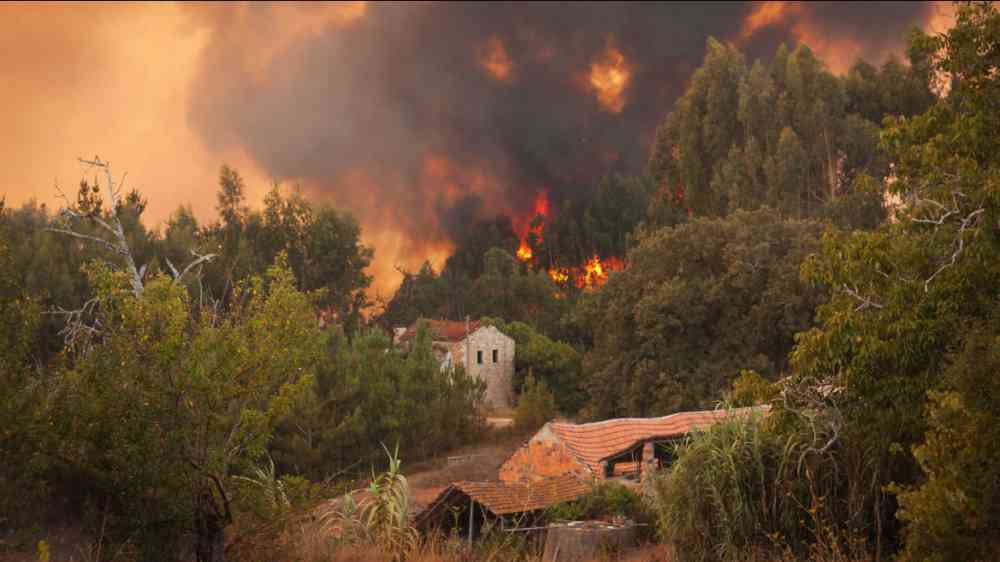
A blazing wildfire starts to encroach on residential areas in Braga, Portugal
Update

Despite the growing impacts of extreme weather events, including prolonged droughts and increasing temperatures, cities and homes continue to be built in likely paths of destructive wildfires.

Conversation Media Group, the
Forest Wild fire near houses on Portugal Summer
Update

Months before a wildfire, a couple had taken steps to prevent fires from reaching their house.

Yale Climate Connections
Update

With wildfires happening more often and burning more area, homes need to be “hardened” to make them more fire-resistant.

Scientific American, a Division of Nature America, Inc.
Update

A plan to build badly needed housing — and prevent future fires — may soon go up in smoke.

Grist Magazine
Uploaded on