1. Home
  2. Hubs: tools and knowledge
  3. Wildfire Portal

Food security and agriculture

Wildfires can have significant impacts on food security and agriculture by damaging crops, livestock, forests and agricultural infrastructure.

Beyond immediate losses, fires can disrupt food production, affect livelihoods, degrade ecosystems and increase pressure on already vulnerable communities. Explore the latest research, insights and resources on how wildfires affect food systems and agriculture, and the measures needed to reduce risks, strengthen resilience and support recovery.

Uploaded on
Update

Many American Indian tribes are able to live in fire-prone ecosystems, and are in fact fire dependent. Through their restoration of forests, Indian tribes are able to better manage wildland fire, increase their opportunities for prescribed fire, and enhance water supply, food security and wildlife habitats.

Fire Adapted Communities Learning Network
Update

As the world warms, nighttime temperatures are slightly outpacing daytime temperatures in the rate of warming to the detriment of human health, which requires cooler temperatures for the body to recover from daytime heat. Crops are also damaged because heat triggers earlier and later frost-free dates, while cities must contend with higher fire risks.

Inside Climate News
Update

Billions of people in thousands of cities around the world will be at risk from climate-related disasters and social inequality by mid-century without bold and urgent action to reduce greenhouse gas emissions. Fortunately, cities around the world are delivering bold climate solutions to avert these outcomes and create a prosperous future for all urban citizens.

Acclimatise
Documents and publications

This is the first of a series of monitoring bulletins on the impact of weather extremes on food security and seasonal topics related to food security in Indonesia in 2018. The first section of this issue presents an update on climate, crops and disasters

World Food Programme (WFP)
Food and Agriculture Organization of the United Nations (FAO)
Indonesia - government
Update

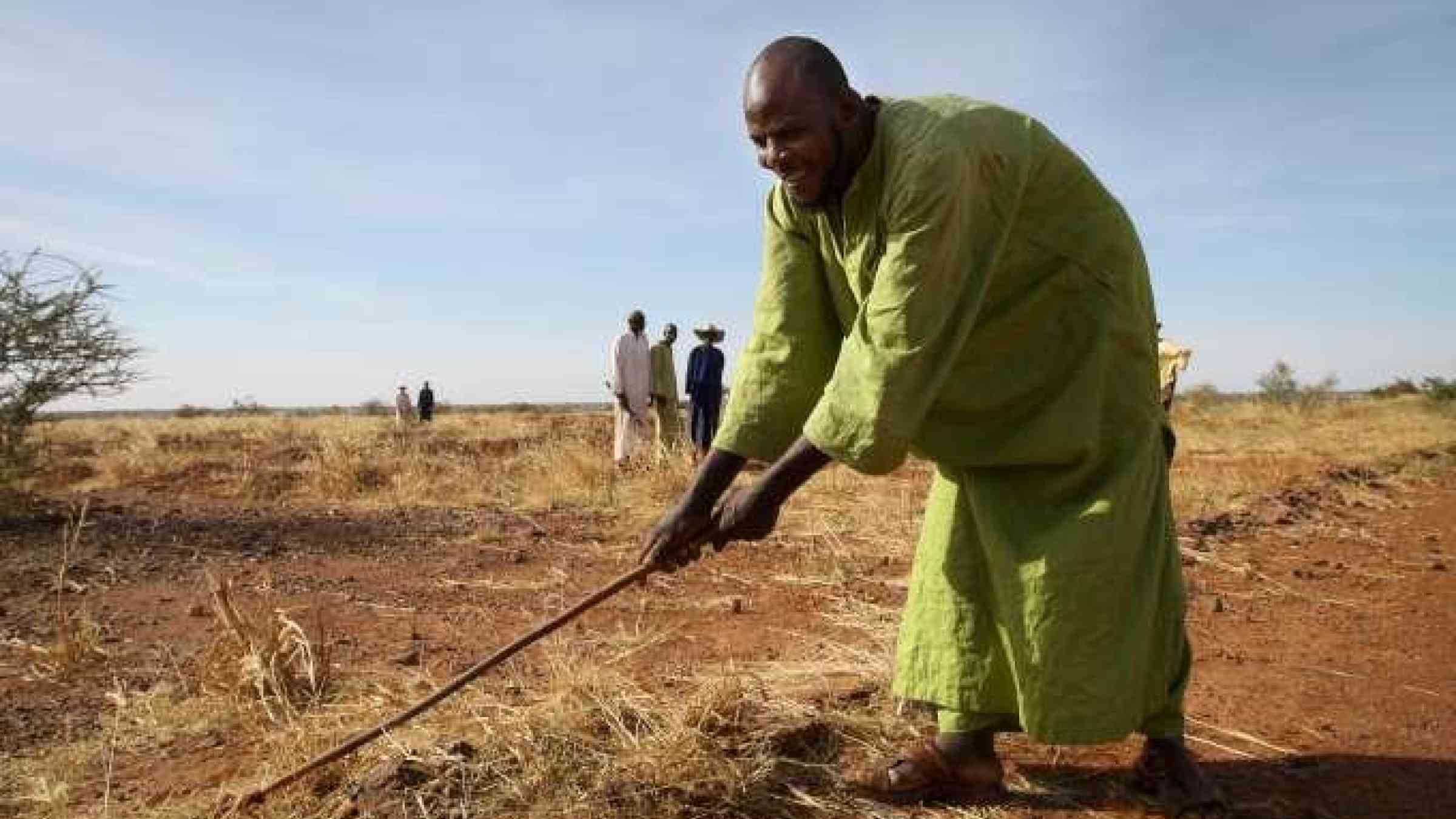
Women farmers in Manipur are struggling to grow crops in an increasingly hostile environment in north-east India, where erratic rainfall, floods and higher temperatures are making daily life more difficult for rural farmers. They want to take advantage of recent developments in agricultural technology to boost their productivity, such as using climate resistant seeds.

India Climate Dialogue
UN Photo
Update

Disasters are costing farmers in the developing world billions of dollars each year, with drought emerging as the most destructive in a crowded field of threats that also includes floods, forest fires, storms, plant pests, animal diseases outbreaks.

Food and Agriculture Organization of the United Nations (FAO)
Documents and publications

This paper analyses the weather conditions of winter 2017 in Australia and draws conclusions about the subsequent impact of this dry and hot weather on crops and livestock, energy systems and bushfire risk, and the role of climate change in influencing

Climate Council of Australia
Research briefs

Every year, worldwide wine industry suffers losses of more than ten billion US dollars from damaged assets, production losses, and lost profits due to extreme weather events and disasters

Karlsruhe Institute of Technology
Uploaded on