1. Home
  2. Hubs: tools and knowledge
  3. Wildfire Portal

Evacuation and displacement

Wildfires can force people to leave their homes with little notice, leading to both short-term evacuations and longer-term displacement.

Beyond the immediate challenges of moving people to safety, affected communities may face prolonged disruption, loss of housing, impacts on livelihoods and difficulties returning or rebuilding. Planning, timely warnings and clear communication are essential to ensure evacuations reach and support everyone, particularly those most at risk. Explore the latest research, insights and resources on wildfire evacuation and how communities can strengthen preparedness and response.

Explore the latest research, insights and resources on wildfire-related evacuation and displacement, and the measures needed to support safe, inclusive and resilient recovery.

Uploaded on
Cover
Documents and publications

This report highlights, that areas like Los Angeles—designated Community Disaster Resilience Zones by FEMA—face disproportionate risks due to economic, environmental, and social vulnerabilities.

George Washington University
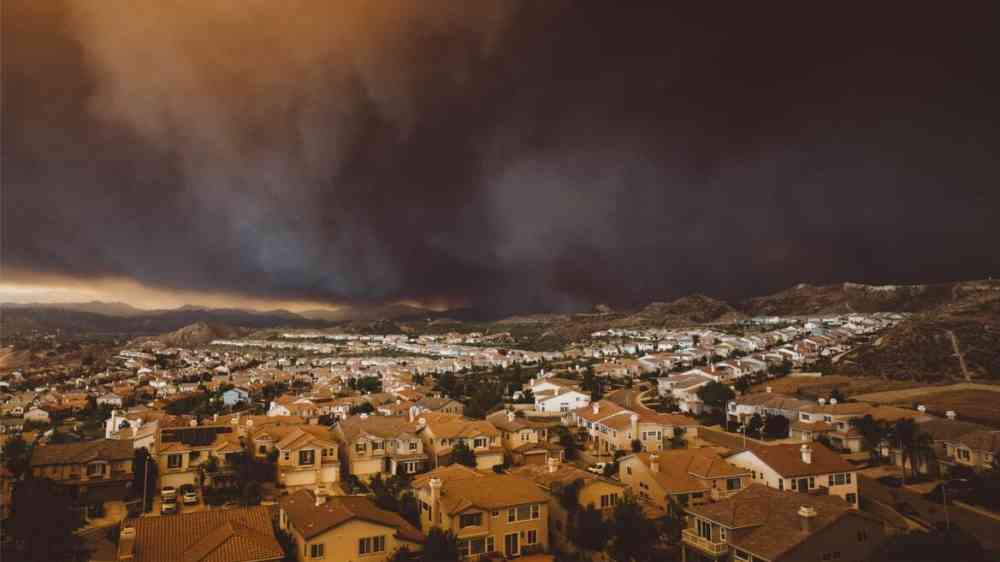
Wildfire and dark clouds approaching Hollywood City
Update
Computer simulations could help save lives and avoid evacuation chaos

Computer models can help emergency crews understand where bottlenecks are likely to occur along evacuation routes and help fire managers understand where neighborhoods may need to be notified faster or need more help evacuating.

Conversation Media Group, the
Update
Australia: More displaced by floods, fires and cyclones as cities grow

This article reports that around 23,000 Australians are displaced annually by floods, fires, and cyclones. The risk grows as urban areas expand, especially affecting disadvantaged communities who struggle to relocate or rebuild. Action is urgently needed.

Australian Broadcasting Corporation
Cover
Documents and publications

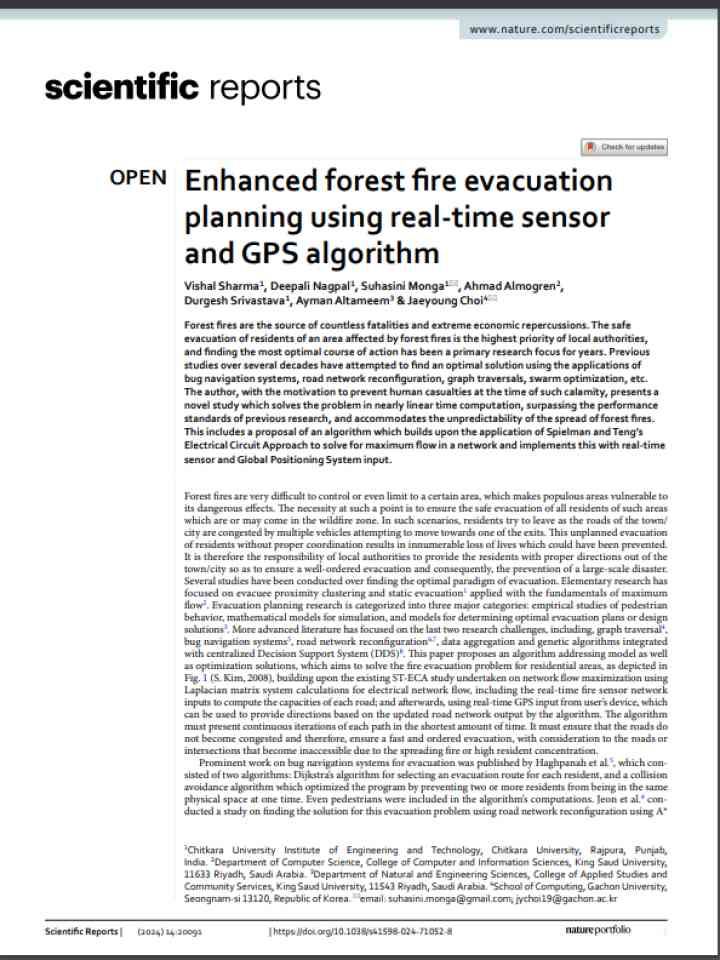
The purpose of this paper is to present a novel algorithm that significantly improves the efficiency and effectiveness of evacuation planning in areas affected by forest fires.

Nature Scientific Reports
Cover
Documents and publications

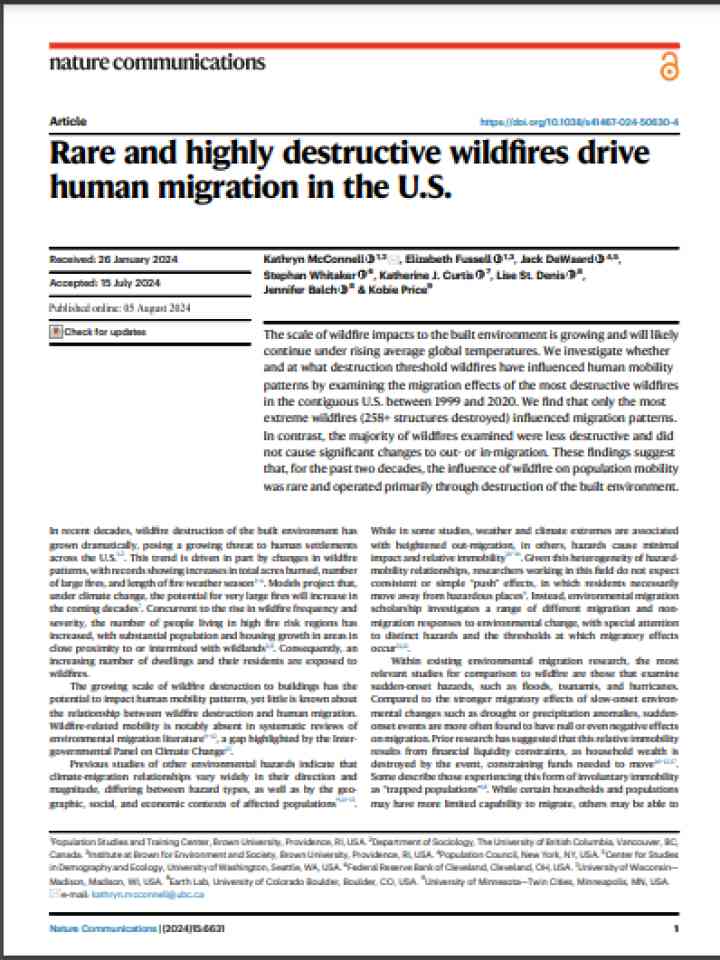
This study investigated the 519 most destructive wildfires in the contiguous U.S. between 1999 and 2020, examining direct and indirect pathways of wildfire-driven impacts on human migration.

Nature Communications (Nature)
Damaged bridge after the floods in the Ahr valley in Germany in 2021.
Update
USA:

Rivers of muddy water from heavy rainfall raced through city streets as thousands of people evacuated homes downhill from California’s wildfire burn scars amid atmospheric river storms drenching the state in early January 2023.

Conversation Media Group, the
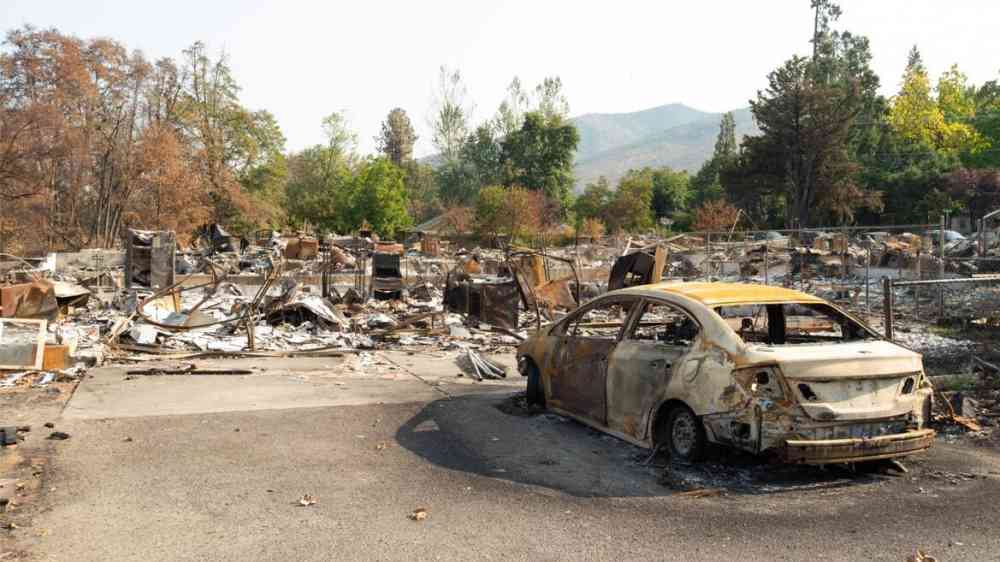
A burned out car sits among the remains of a burned neighborhood from wildfires, healthy vegetation in the background
Update
USA: A case for retreat in the age of fire

Wildfires in the U.S. are getting larger, more frequent and more severe. Despite adaptation efforts, it’s important to realize that we cannot simply design our way out of wildfire – some communities will need to begin planning a retreat.

Conversation Media Group, the
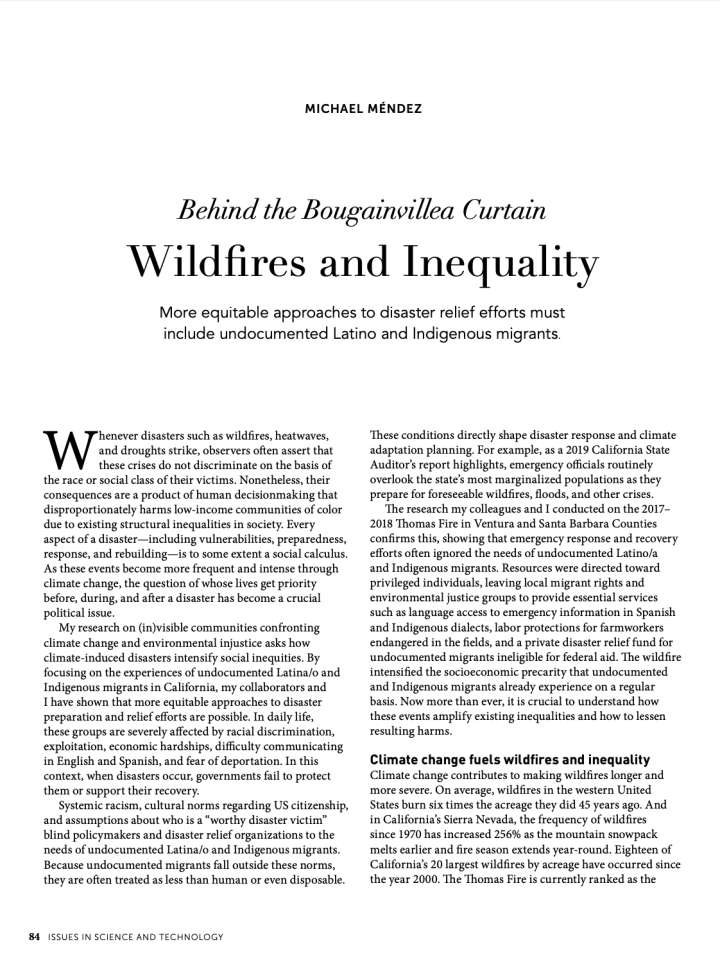
This image shows the first page of the publication.
Documents and publications

This research on (in)visible communities confronting climate change and environmental injustice asks how climate-induced disasters intensify social inequities. This research shows that more equitable approaches to disaster preparation are possible.

Issues in Science and Technology
Uploaded on