1. Home
  2. Hubs: tools and knowledge
  3. Wildfire Portal

Evacuation and displacement

Wildfires can force people to leave their homes with little notice, leading to both short-term evacuations and longer-term displacement.

Beyond the immediate challenges of moving people to safety, affected communities may face prolonged disruption, loss of housing, impacts on livelihoods and difficulties returning or rebuilding. Planning, timely warnings and clear communication are essential to ensure evacuations reach and support everyone, particularly those most at risk. Explore the latest research, insights and resources on wildfire evacuation and how communities can strengthen preparedness and response.

Explore the latest research, insights and resources on wildfire-related evacuation and displacement, and the measures needed to support safe, inclusive and resilient recovery.

Uploaded on
Hand on a keyboard with images of an AI-powered programme
Research briefs

Scientists at Johns Hopkins and the University of Florida simulate and predict human behavior during wildfire evacuation, allowing for improved planning and safety measures.

Johns Hopkins University
Update

The 2025 Eaton Fire was the fifth deadliest and second most destructive wildfire in California history. Those who died had a median age of 77, and at least a third had limited mobility.

Domestic Preparedness
Identifying critical road assets supporting community resilience in natural hazard emergencies thumbnail
Documents and publications

This paper presents a case study of an innovative rapid assessment methodology that was developed to identify and prioritise the critical road assets in the vast road network of the Warrumbungle Shire local government area in New South Wales.

Australian Institute for Disaster Resilience (AIDR)
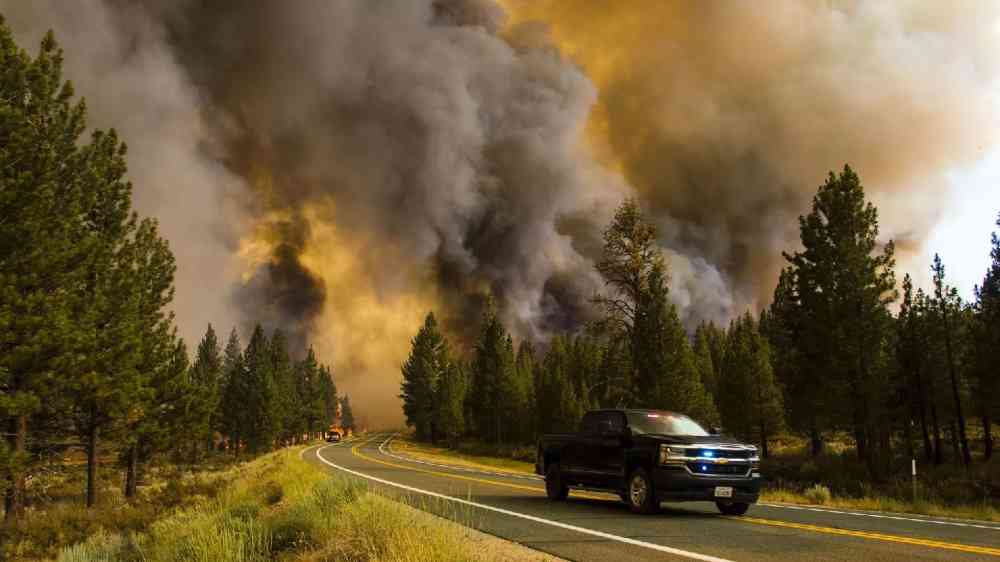
Wildfire raging near houses
Update

From the United States to Korea, from Canada to Türkiye and Greece, the data is clear: wildfires are becoming more frequent, more intense, more widespread, and they are forcing more people from their homes.

Internal Displacement Monitoring Centre (IDMC)
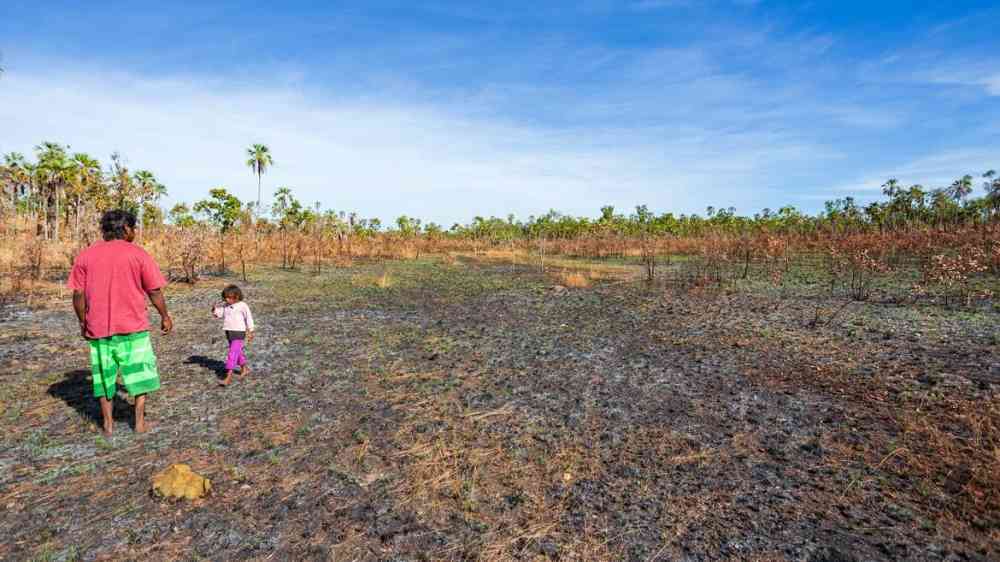
An indigenous Australian man and his child walk through burnt country
Update

From 1980 to 2021, Indigenous communities made up 42 per cent of wildfire evacuations even though they are only five per cent of Canada’s population. The 2023 wildfire season resulted in the evacuation of more than 95 Indigenous communities.

Conversation Media Group, the
California wildfires, July 2021
Research briefs

In a study funded by the National Science Foundation, researchers at the University of Alabama developed a new model designed to help communities, living at the intersection of forest and town, develop more effective wildfire evacuation plans.

University of Alabama
Update

This story is a part of our Ask a Professor series-breaking down complex issues and use their research to inform trending conversations, from the latest pop culture hits to research breakthroughs and critical global events shaping our world.

Georgetown University
Cover
Documents and publications

This report highlights, that areas like Los Angeles—designated Community Disaster Resilience Zones by FEMA—face disproportionate risks due to economic, environmental, and social vulnerabilities.

George Washington University
Uploaded on