1. Home
  2. Hubs: tools and knowledge
  3. Extreme Heat Portal
Uploaded on
Update

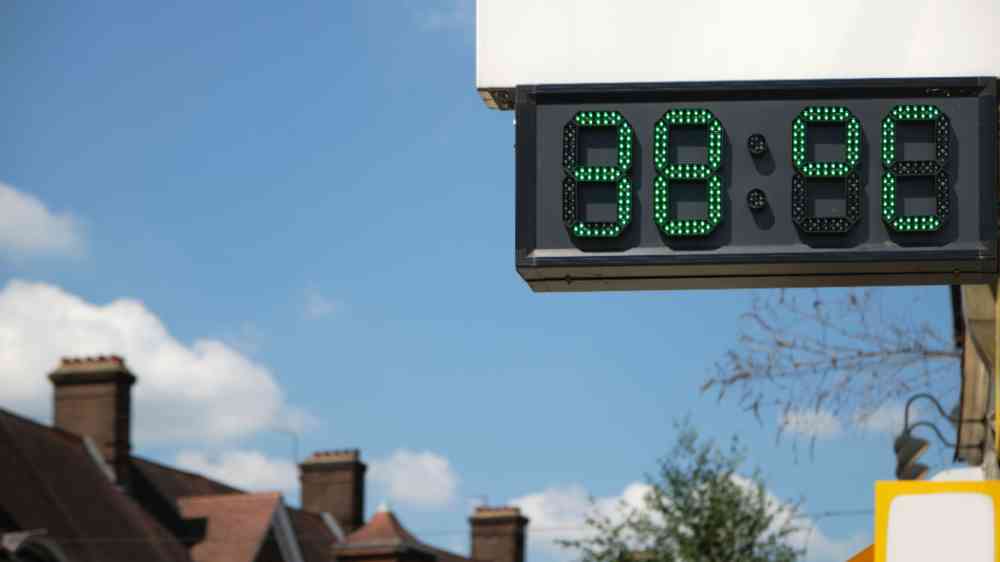
Climate Central analysis shows that residents of the 65 largest U.S. cities experience an average of 8°F of extra heat due to the built environment.

Climate Central
Digital thermometer showing a high temperature in a town
Research briefs

Research from the University of Oxford has ranked 205 of the world's largest cities by their risk from extreme heat, identifying where people are most in danger as global temperatures rise.

University of Oxford
Facade of small business buildings in the old town district of Granada, Spain.
Ignasi Fontanals
Can cities and SMEs can access the operational resilience tools – continuity plans, crisis exercises, risk assessments and risk transfer approaches – that have traditionally been available mainly to large companies and major consultancies?
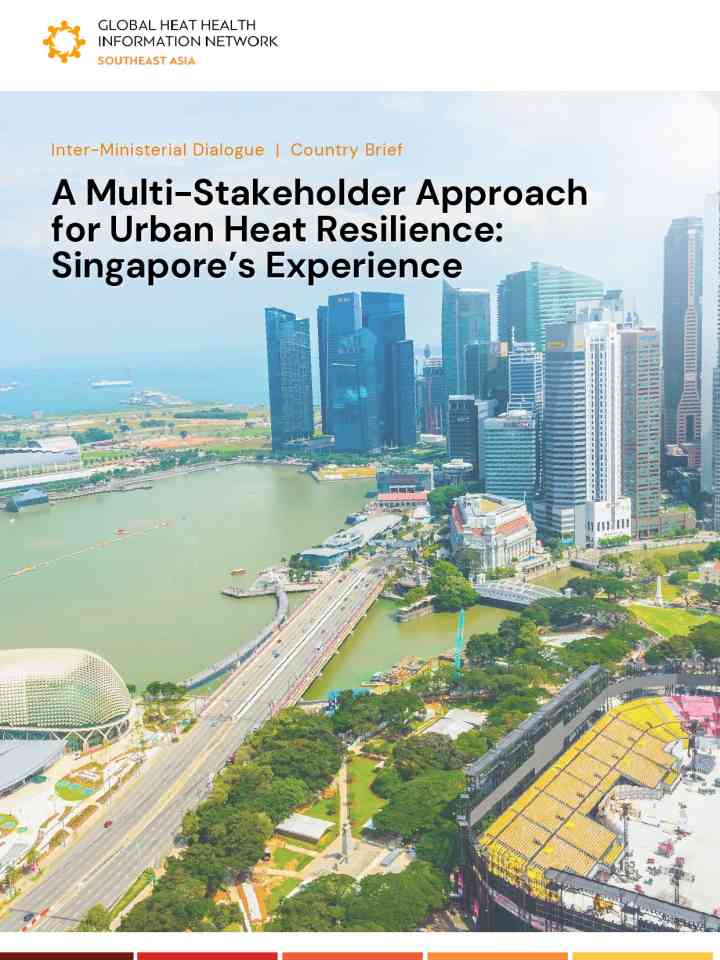
A multi-stakeholder approach for urban heat resilience: Singapore’s experience thumbnail
Documents and publications

This report outlines how Singapore has developed a coordinated strategy to address the growing risks of urban heat under climate change. L

Global Heat Health Information Network (GHHIN)
Shade produced by trees in a city street in southern France
Update

Researchers are calling for cities to double down on one of the simplest yet most powerful solutions to many problems.

Grist Magazine
Pedestrians and workers walking in shade under scorching sun
Shubham Kashyap Payal Bhatnagar
The urgency of embedding heat resilience into urban planning was underscored on Heat Action Day (2 June), when stakeholders across government and civil society highlighted the need for coordinated action.
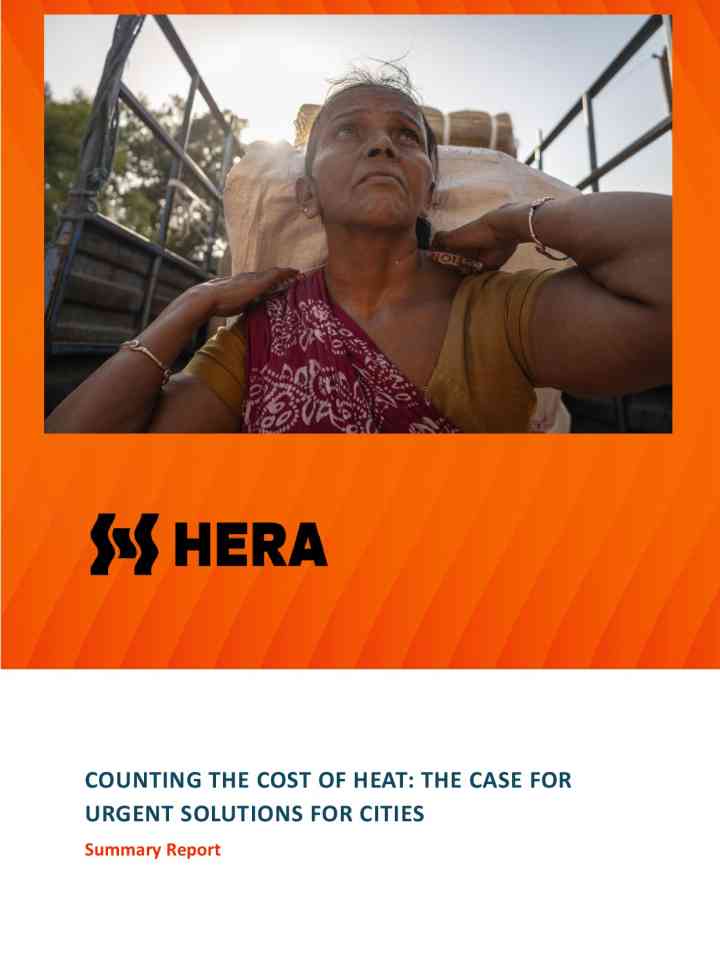
Counting the cost of heat: the case for urgent solutions for cities thumbnail
Documents and publications

This report reveals that extreme heat is emerging as one of the most underestimated threats to economic development worldwide, hammering city economies, overwhelming health systems, and falling hardest on women working on the frontlines of a hotter world.

HERA (Climate Resilience for All)
Cover
Documents and publications

This study seeks to understand how UHI risks are perceived, prioritised, and addressed in Sri Lankan cities, identify barriers and enablers influencing local government action.

University of Huddersfield
Uploaded on