Research briefs

Keep up to date with the latest research on disaster risk and resilience on the PreventionWeb knowledge base.

Explore cutting-edge research on disaster risk reduction and resilience through PreventionWeb's dedicated research briefs section. Our platform curates and highlights the most recent academic studies, providing valuable insights into disaster risk management. Each research brief distills key findings from peer-reviewed journals and academic publications.

Submit a research brief.

These briefs are designed to keep you informed about the latest scientific advances. Links to the full publications are always included, ensuring easy access to in-depth knowledge. Please note that this section exclusively features academic research, distinct from reports by international organizations or Non-Governmental Organisations.
Uploaded on
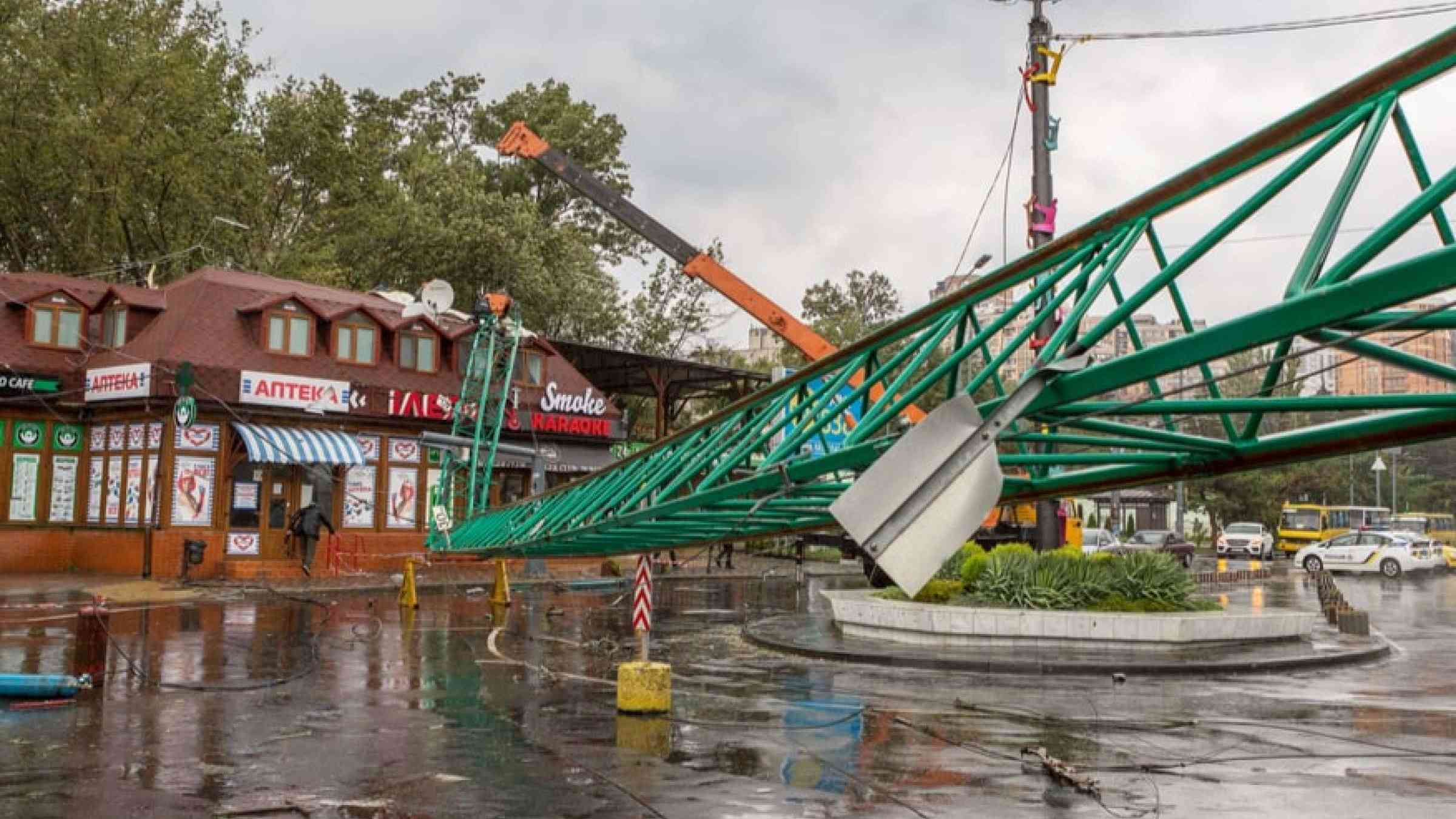
damaged buildings in Ukraine from a storm
Research briefs

Researchers from the Universities of Zurich, Vienna and Utrecht have uncovered significant flaws in current climate risk assessment techniques that could lead to a severe underestimation of climate-related financial losses for businesses and investors.

University of Zurich
Prescribed burn at the Upper Applegate Watershed, Oregon
Research briefs

Prescribed burning is one of the most effective tools to prevent catastrophic fires. Some locations in the United States are facing a future where safe conditions to burn are fewer and farther between.

Los Alamos National Laboratory
Research briefs

New CIRES-led study measures the time between storms to better understand soil moisture.

Cooperative Institute for Research in Environmental Sciences (CIRES)
Research briefs

Researchers at University of Tsukuba have effectively collected data on water level fluctuations during flood events in a meso-scale mountainous watershed, known for its significant high-relief topography.

University of Tsukuba
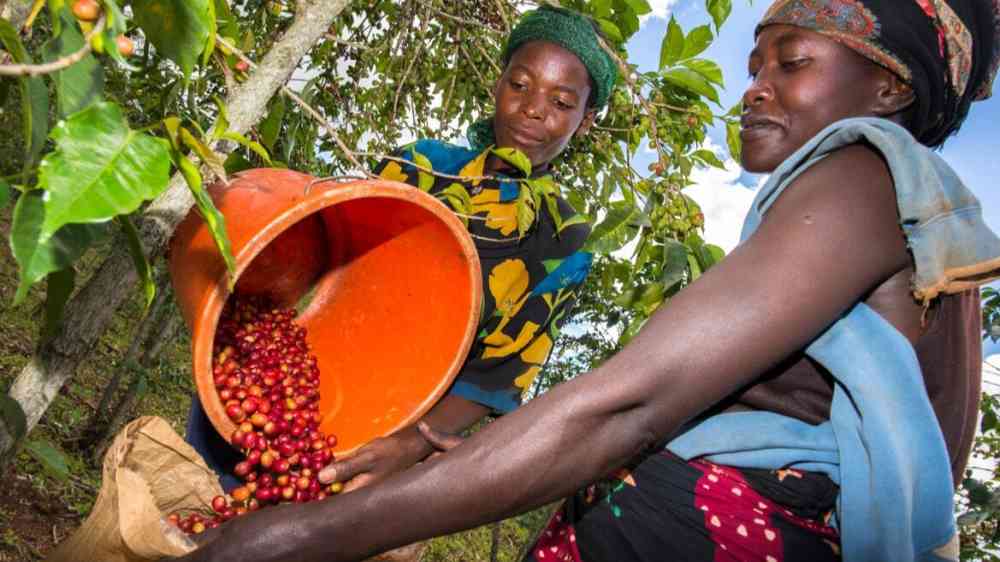
Women harvest coffee near Lake Kivu, Rwanda
Research briefs

A study led by a UC Riverside atmospheric scientist predicts that unchecked carbon emissions will force tropical rains to shift northward in the coming decades, which would profoundly impact agriculture and economies near the Earth's equator.

University of California, Riverside
Research briefs

Nearly 5 billion people suffered from climate-change-driven extreme heat over 9 days in June.

Climate Central
Research briefs

Iceland’s ongoing volcanic eruptions may continue on and off for years to decades, threatening the country’s most densely populated region and vital infrastructure, researchers predict from local earthquake and geochemical data.

University of Oregon
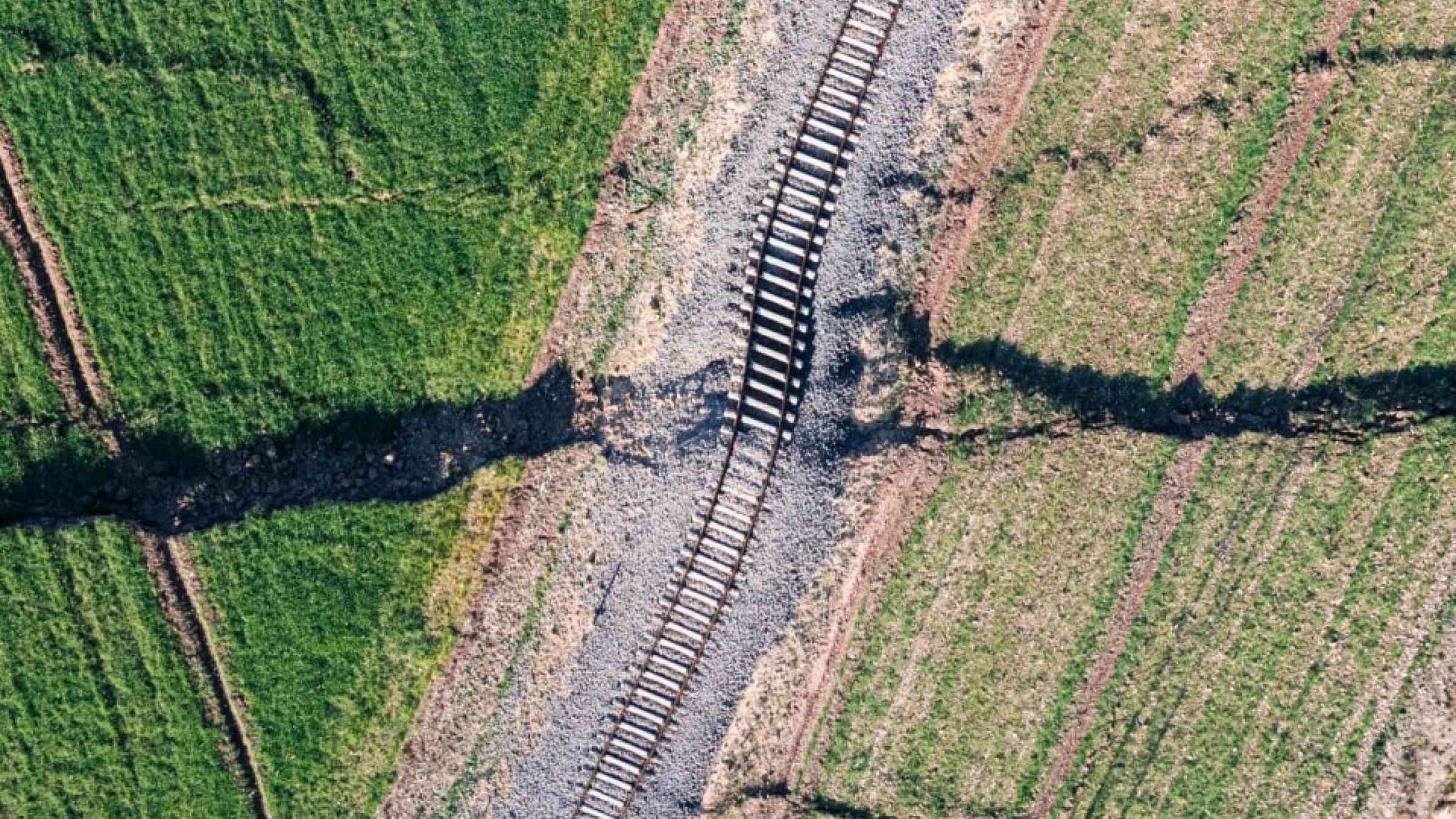
Surface fault which appeared following the 2022 Turkiye earthquake
Research briefs

A team at Los Alamos National Laboratory used machine learning — an application of artificial intelligence — to detect the hidden signals that precede an earthquake. This method could be used to assess earthquake hazards across the globe.

Los Alamos National Laboratory