Research briefs

Keep up to date with the latest research on disaster risk and resilience on the PreventionWeb knowledge base.

Explore cutting-edge research on disaster risk reduction and resilience through PreventionWeb's dedicated research briefs section. Our platform curates and highlights the most recent academic studies, providing valuable insights into disaster risk management. Each research brief distills key findings from peer-reviewed journals and academic publications.

Submit a research brief.

These briefs are designed to keep you informed about the latest scientific advances. Links to the full publications are always included, ensuring easy access to in-depth knowledge. Please note that this section exclusively features academic research, distinct from reports by international organizations or Non-Governmental Organisations.
Uploaded on
Research briefs

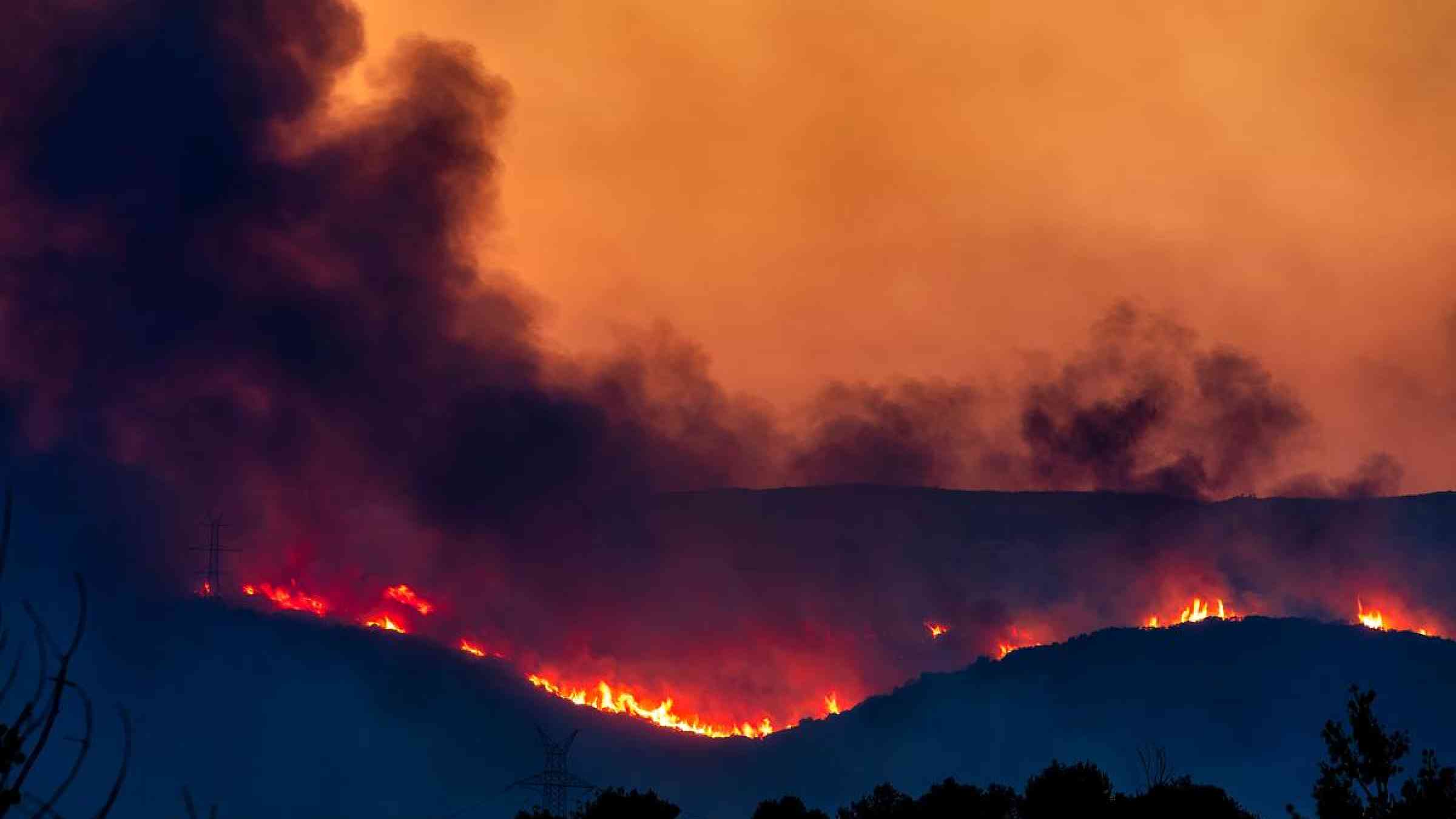
A new white paper on the many ways wildfires affect people and the planet makes clear that as fires become more intense and frequent, the urgency for effective and proactive fire science grows.

North Carolina State University (NCSU)
Research briefs

An international team of researchers are improving scientific understanding of atmospheric waves in the tropics, including how they impact extreme weather events like hurricanes and heavy rainfall.

The Rosenstiel School of Marine, Atmospheric, and Earth Science
Research briefs

An international team of researchers developed a novel modeling approach to identify cost-effective combinations of water management, promising a substantial reduction in future water scarcity.

International Institute for Applied Systems Analysis
Research briefs

When Australia's east coast is caught in the grip of a heatwave, relief can come in the form of abrupt, often gale-force wind changes known as "southerly busters".

Conversation Media Group, the
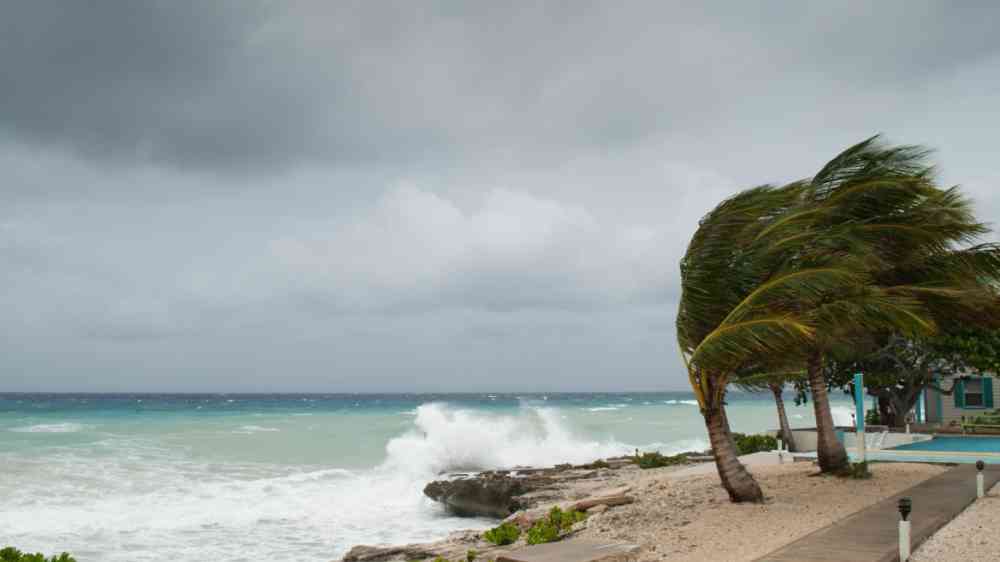
Palms in a storm at the coast.
Research briefs

Rowan University climate scientist Dr. Andra Garner last year documented in the journal Scientific Reports that Atlantic Hurricanes, like the current storm Beryl, have developed faster and with greater strength over the past 50 years.

Rowan University
Landslide-affected road
Research briefs

A new paper uses examples from South Korea to highlight the growing risk from debris flows in urban environments

Eos - AGU
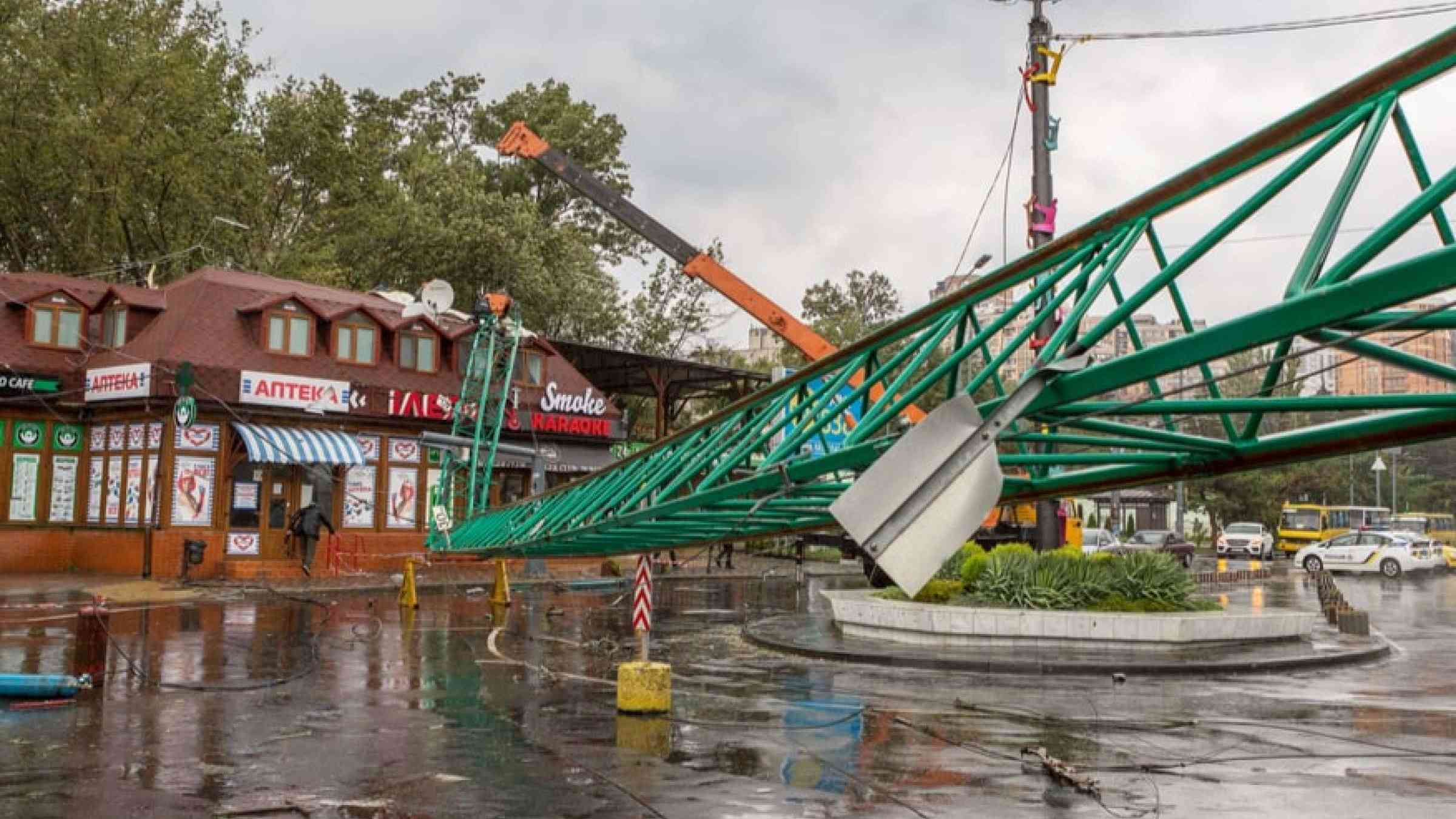
damaged buildings in Ukraine from a storm
Research briefs

Researchers from the Universities of Zurich, Vienna and Utrecht have uncovered significant flaws in current climate risk assessment techniques that could lead to a severe underestimation of climate-related financial losses for businesses and investors.

University of Zurich
Prescribed burn at the Upper Applegate Watershed, Oregon
Research briefs

Prescribed burning is one of the most effective tools to prevent catastrophic fires. Some locations in the United States are facing a future where safe conditions to burn are fewer and farther between.

Los Alamos National Laboratory