Research briefs

Keep up to date with the latest research on disaster risk and resilience on the PreventionWeb knowledge base.

Explore cutting-edge research on disaster risk reduction and resilience through PreventionWeb's dedicated research briefs section. Our platform curates and highlights the most recent academic studies, providing valuable insights into disaster risk management. Each research brief distills key findings from peer-reviewed journals and academic publications.

Submit a research brief.

These briefs are designed to keep you informed about the latest scientific advances. Links to the full publications are always included, ensuring easy access to in-depth knowledge. Please note that this section exclusively features academic research, distinct from reports by international organizations or Non-Governmental Organisations.
Uploaded on
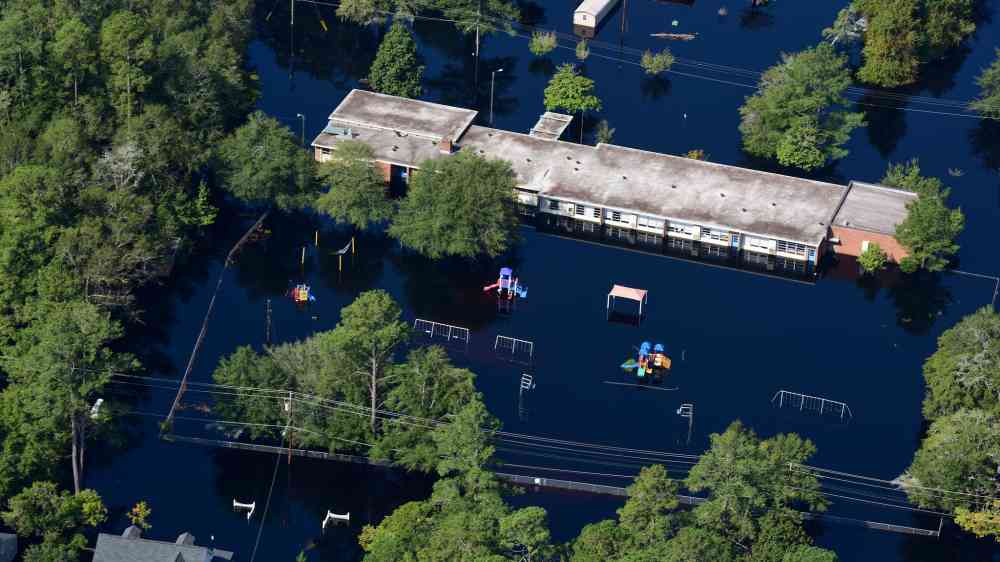
Aerial Photos of flooding caused by Hurricane Florence
Research briefs

MIT scientists have developed a method that generates satellite imagery from the future to depict how a region would look after a potential flooding event.

Massachussets Institute of Technology
Spring flooding along the Ottawa and Bonnechere Rivers, Ottawa Valley, Ontario Canada
Research briefs

A UBC study finds that conserving just five per cent of watersheds (two per cent of Canada’s land) could shield more than half of urban floodplains, safeguarding millions.

University of British Columbia
People on a main street in Ginza, Tokyo on a hot day protecting themselves from the heat by using umbrellas.
Research briefs

A new study says street network designs play a big role in improving a city's resilience to disasters. Street networks with higher connectivity, fewer chokepoints, and less circuity better allow people and goods to continue moving after a disaster.

University of Southern California
Iraq drought and desert
Research briefs

The Middle East and North Africa are undergoing accelerated climate change and will reach warming thresholds two to three decades earlier than the rest of the world, a new study reports.

PhysOrg, Omicron Technology Ltd
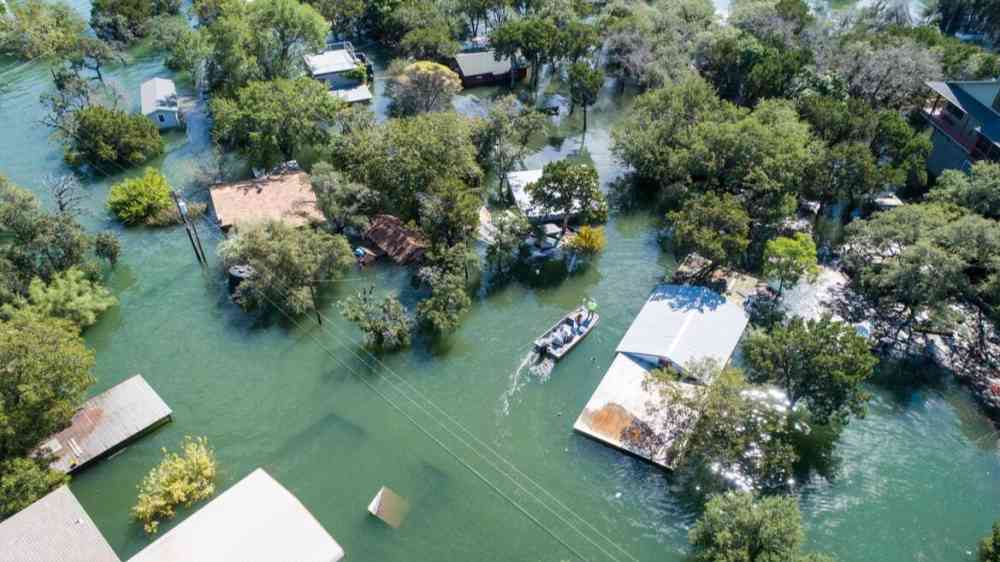
Aerial picture of a flooded Texan residential area
Research briefs

A new study published in Nature Climate Change estimates that a 1-meter sea level rise by 2100 would affect over 14 million people and $1 trillion worth of property along the Southeast Atlantic coast, from Norfolk, Virginia, to Miami, Florida.

Virginia Tech
Research briefs

New research measures access to nature for major global cities (e.g. Melbourne and Sydney), revealing the lack adequate tree canopy cover, which is vital for cooling, mental and physical health, and biodiversity. This calls for stronger government action.

Royal Melbourne Institute of Technology (RMIT)
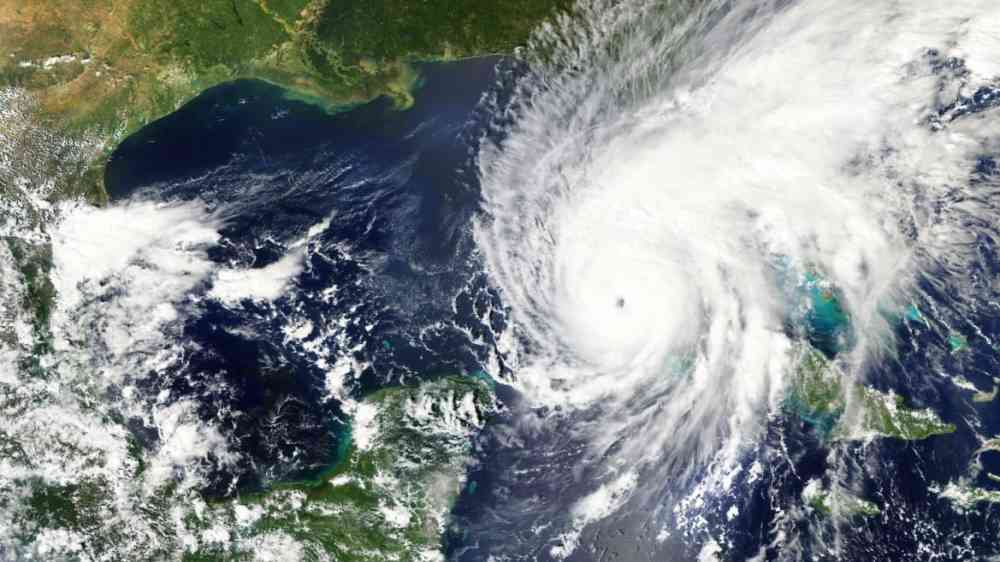
Satellite image of Hurrican Ian heading towards Florida, USA.
Research briefs

Researchers determined that 44% of the economic damages caused by Hurricane Helene and 45% of those caused by Hurricane Milton could be attributed to climate change.

Yale Climate Connections
Research briefs

A machine-learning tool developed by Mohamed Almetwally Ahmed and Sam Li provides accurate predictions for flood-prone areas.

Concordia University