Research briefs

Keep up to date with the latest research on disaster risk and resilience on the PreventionWeb knowledge base.

Explore cutting-edge research on disaster risk reduction and resilience through PreventionWeb's dedicated research briefs section. Our platform curates and highlights the most recent academic studies, providing valuable insights into disaster risk management. Each research brief distills key findings from peer-reviewed journals and academic publications.

Submit a research brief.

These briefs are designed to keep you informed about the latest scientific advances. Links to the full publications are always included, ensuring easy access to in-depth knowledge. Please note that this section exclusively features academic research, distinct from reports by international organizations or Non-Governmental Organisations.

Uploaded on
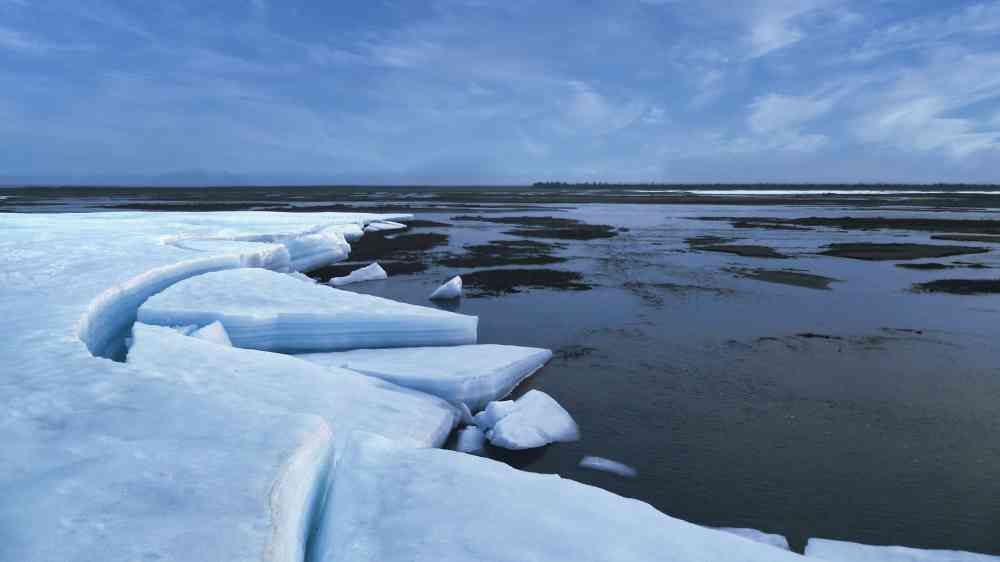
Expansive view of icebergs and frozen waters in Yakutia, Siberia, under a clear winter sky.
Research briefs

First international global assessment of long-term active layer monitoring data at the George Washington University Department of Geography and Environment demonstrates clear global evidence that permafrost is thawing across much of the planet.

George Washington University
Research briefs

Can a city's seawall stand up to a blockbuster storm? Will a region's power grid hold against record-breaking heat? And can a town's firefighting resources contain a major wildfire?

MIT News, Massachusetts Institute of Technology
Research briefs

Some of the most impactful changes have come in the stressed Colorado River basin.

Inside Climate News
Ocean surface glowing orange, evoking the rising heat affecting marine ecosystems worldwide
Research briefs

Scientists have identified hotspots for compound marine heat wave and ocean acidification events, finding they occur more often than expected and can severely disrupt marine ecosystems, fisheries and ocean biodiversity.

Eos - AGU
Research briefs

A new model simulates the benefits of agrivoltaic farming, in which solar panels and crops share the same land.

Eos - AGU
Research briefs

In the U.S., since 1980, the most destructive events alone have caused over 2800 deaths and $700 billion in damages. And how have these patterns changed over the last several decades?

Columbia Climate School
Caribbean fisherfolk to gain unprecedented protection from hurricanes through pioneering anticipatory action instrument
Research briefs

WeatherNext enables accurate cyclone forecasts that can give an extra day of warning. Now we are open sourcing the model.

Google
Firefighter combating a wildfire
Research briefs

A study finds climate change will increase wildfire activity across Europe, but investments in fire management, prevention and suppression could significantly reduce burned area, highlighting the importance of combining adaptation with climate mitigation.

Potsdam Institute for Climate Impact Research