Research briefs

Keep up to date with the latest research on disaster risk and resilience on the PreventionWeb knowledge base.

Explore cutting-edge research on disaster risk reduction and resilience through PreventionWeb's dedicated research briefs section. Our platform curates and highlights the most recent academic studies, providing valuable insights into disaster risk management. Each research brief distills key findings from peer-reviewed journals and academic publications.

Submit a research brief.

These briefs are designed to keep you informed about the latest scientific advances. Links to the full publications are always included, ensuring easy access to in-depth knowledge. Please note that this section exclusively features academic research, distinct from reports by international organizations or Non-Governmental Organisations.

Uploaded on
Research briefs

A tsunami warning that sparked mass evacuations and traffic gridlock in many areas across the state, including Waikīkī, is drawing renewed attention to a 2022 University of Hawaiʻi study that modeled how to save lives during a short-notice tsunami event.

University of Hawai'i
Close up of scientist with white glove holding test tube with water in his hand.
Research briefs

A new paper published in Environmental Science & Technology Letters warns of an emerging global threat posed by salt contamination of water supplies in tidal rivers worldwide.

University of Pennsylvania
Research briefs

For the past 150 years, algae levels have surged in Canadian lakes, even the remote ones, with a sharp spike since the 1960s.

McGill University
Research briefs

Satellite-borne lightning detectors in orbit since 2017 have made it possible to continuously detect lightning and measure it accurately at continental-scale distances.

Arizona State University
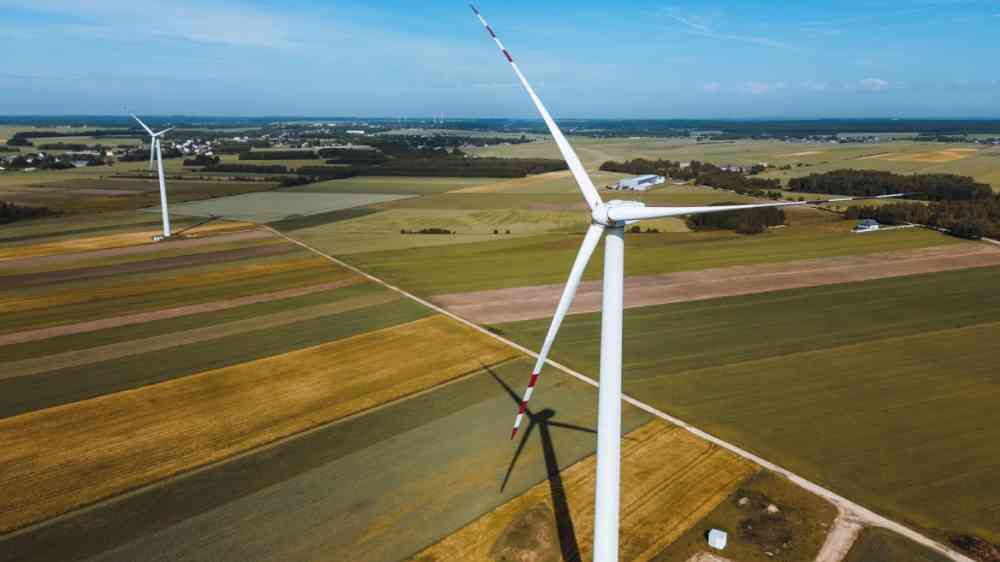
Wind turbine surrounded by agricultural fields and blue sky.
Research briefs

Extreme “wind droughts” that reduce power output from turbines for extended periods could become 15% longer by the end of the century across much of the northern hemisphere under a moderate warming scenario.

Carbon Brief
Research briefs

Some of the rainiest places on Earth could see their annual precipitation nearly halved if climate change continues to alter the way ocean water moves around the globe.

University of California, Davis
Research briefs

Recent climate-related crises—from severe storms and flooding to extreme heat—have raised new questions about how local governments communicate the risk of these crises and what they are doing to keep their citizens safe.

Drexel University
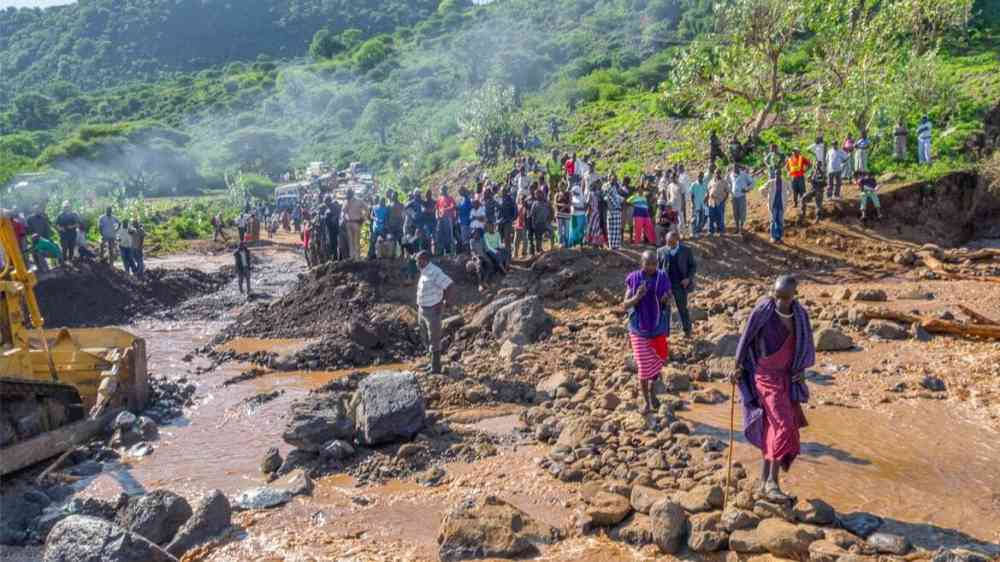
People cross a stone path across a road destroyed by mudflow in Manyara, Tanzania
Research briefs

Extreme wet weather and rising temperatures will likely become the norm for parts of Tanzania, demanding early preparedness and stronger national climate policies to protect vulnerable communities, says a leading meteorologist.

Science and Development Network