DRR Community Voices

The DRR Community Voices share personal stories and perspectives from the disaster risk reduction trenches on reducing risk and building resilience.

  • Our posts from both practitioners and academics reach a global audience and can influence policy, practices and approaches.
  • We invite you to propose your own blog and submit it for review.

Republishing guidelines

  • Please contact us if you wish to republish a blog article.
  • Most articles can be republished under CC BY-NC-SA 3.0 IGO Deed.
  • You must give appropriate credit, provide a link to the license, and indicate if changes were made.
  • You may not use the material for commercial purposes.
Uploaded on
News
Sanjay Saifi
Risk communication is the bridge between science and preparedness. If academic research continues to prioritise prediction without equally focusing on how warnings are understood and acted upon, early warning systems will remain socially ineffective.
Measure resilience to unlock local-level DRR solutions
Michael Szönyi Mamadou Ndong Touré Gabriel Reyes
A resilience measurement framework, adaptable to any community and proven in its effectiveness, has the potential to address some of the most common challenges.
Kingston, Jamaica - October 30, 2025: Aftermath of Hurricane Melissa in the Heart of Kingston
Adriana Navarro-Sertich
If we make destroyed homes the global measure of disaster impact, we risk channelling resources toward the most visible part of recovery while neglecting the systems that make four walls and a roof actually livable.
A man in a reflective vest takes a break amidst hot weather
Kate Corby Flynn Lebus
Gaining a better understanding of emerging risks, such as extreme heat, allows us to gather insights about the effects they will have on businesses, and the insurance coverage they will likely need in future.
Group of traditional indian women wearing colorful saree join hands with each other.
Sanjay Kumar Srivastava
Operating extensively in flood- and climate-vulnerable districts, JEEViKA demonstrates how livelihoods programmes, when rooted in community institutions, can double as platforms for disaster risk reduction and climate adaptation.
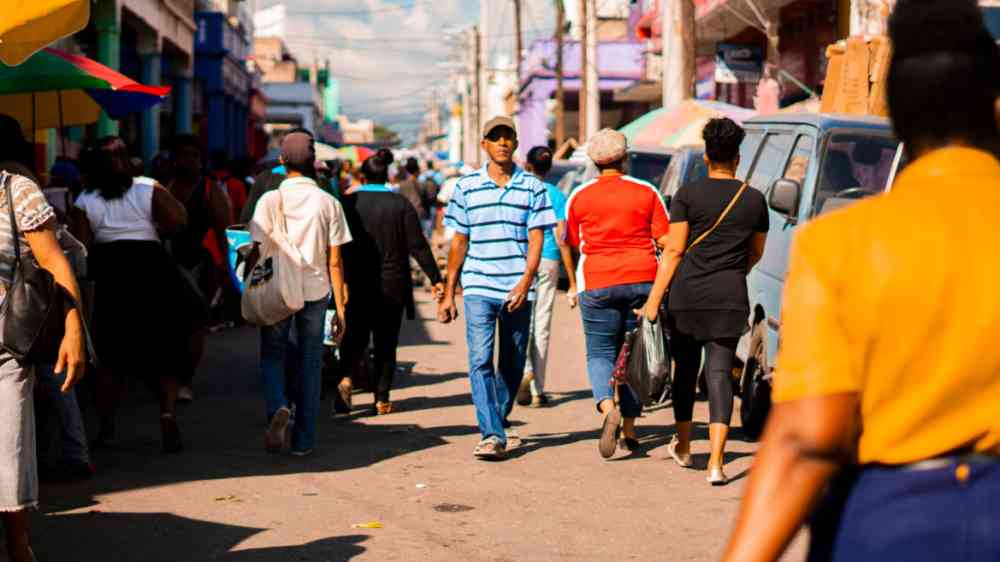
Busy streets of Kingston Jamaica at downtown coronation market
Ruth C. White
As DRR frameworks increasingly recognize the importance of mental health in preparedness and recovery, there are some policy actions that can be taken to strengthen the resilience of individuals and communities.
Shinjuku area in Tokyo, full of shopping malls, electrical appliance stores, fashion stores, second-hand goods, and restaurants. It is the largest night entertainment area in Japan
Patrick Cadwell
The last two decades in Japan reveal a steady increase in the language of inclusion, and a more detailed consideration of how to engage foreign nationals in DRR. There is a lot of good to take away from this more inclusive DRR policy in Japan.
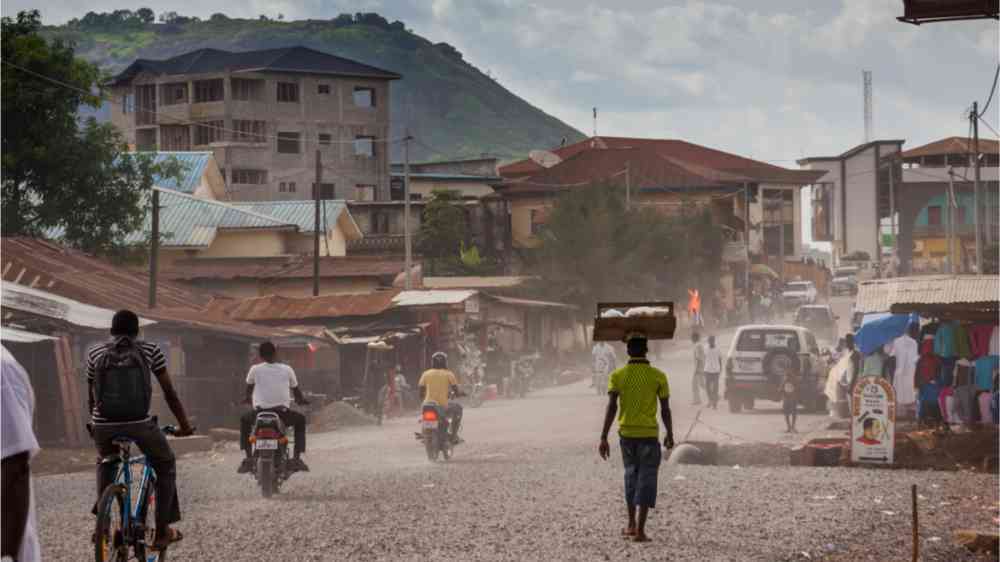
A group of people walk trought the heat along the Makeni highway in Sierra Leone
Pious Mannah
The blog highlights how overcoming language and literacy barriers through translation, audio tools and gamified learning has strengthened inclusive disaster risk communication and community resilience in Sierra Leone.