DRR Community Voices

The DRR Community Voices share personal stories and perspectives from the disaster risk reduction trenches on reducing risk and building resilience.

  • Our posts from both practitioners and academics reach a global audience and can influence policy, practices and approaches.
  • We invite you to propose your own blog and submit it for review.

Republishing guidelines

  • Please contact us if you wish to republish a blog article.
  • Most articles can be republished under CC BY-NC-SA 3.0 IGO Deed.
  • You must give appropriate credit, provide a link to the license, and indicate if changes were made.
  • You may not use the material for commercial purposes.
Uploaded on
Scene of destruction after the second passage of Cyclone Freddy in Zambézia province, Mozambique
Edward Sparkes Dr. Michael Hagenlocher Dr. Saskia E. Werners Davide Cotti
Complexity is a defining feature of disaster risks. This makes conventional, single-hazard and single-risk assessment approaches increasingly insufficient for comprehensive disaster risk management.
Portrait of Abia Akram
For over two decades, Abia Akram has been a leading and vocal advocate for the rights of women with disabilities, in more than 30 countries, especially in the context of gender justice, financing for development, and inclusive DRR.
People walking in front of small colorful shops in Mombasa, Kenya
Terry Kinyua
A collaborative effort supported by the Mastercard Foundation has led to the development and implementation of the IIA-Kenya MSME Resilience Programme, aimed at empowering Kenyan MSMEs to navigate through crises and emerge stronger than before.
Portrait of Goma Karki
Goma Karki works as Project Manager for Youth Innovation Lab in Kathmandu, Nepal, leading the Nepali Yuwa in Climate Action and Green Growth (The Youth CAN) project.
Portrait of Flora Vano
Flora Vano is the Country Manager of ActionAid Vanuatu, an organization that supports local women to become galvanizing and powerful community leaders, particularly in times of crisis such as disasters.
First mile for warning concept
Ilan Kelman Carina Fearnley
The first mile of warnings means putting people first. It means asking each other about what we need and what we offer. Warnings are meant to be for and about people, as a long-term social process to act for, by, and with all of us.
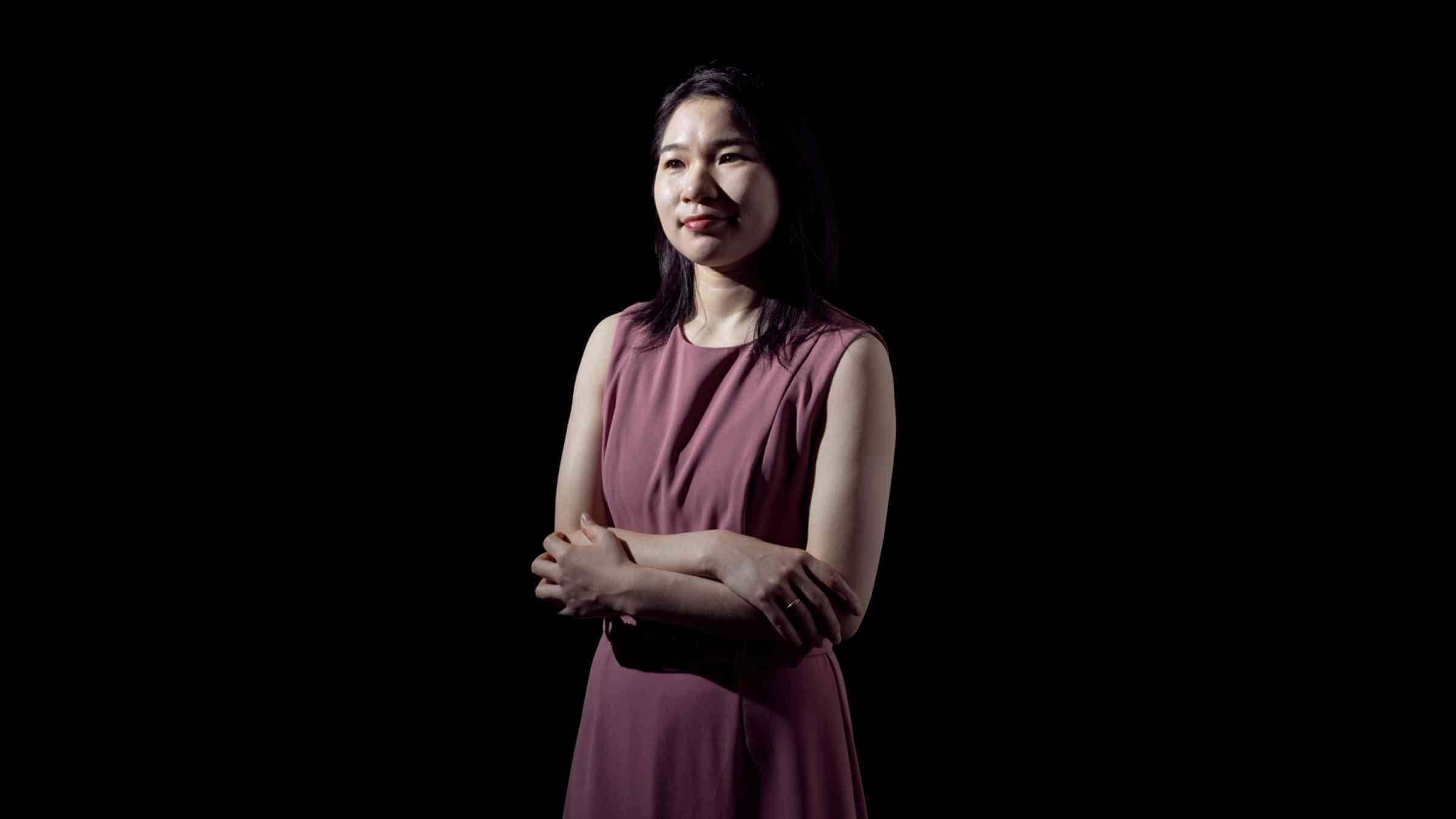
Portrair of Lulu He
Lulu’s dedication to disaster research stems from her personal experience in an earthquake that struck her hometown in Sichuan Province in China in 2008.
Portrait of Decibel Faustino
Today, in her academic role at the School of Environmental Science and Management at the University of the Philippines Los Baños, Decibel works at the intersection of scientific research and the application of risk knowledge to decision-making.