Disaster losses and damages data use cases

Existing and potential use cases of losses and damages data across a range of different domains are presented as a small demonstration of the many applications available today and anticipated in the future
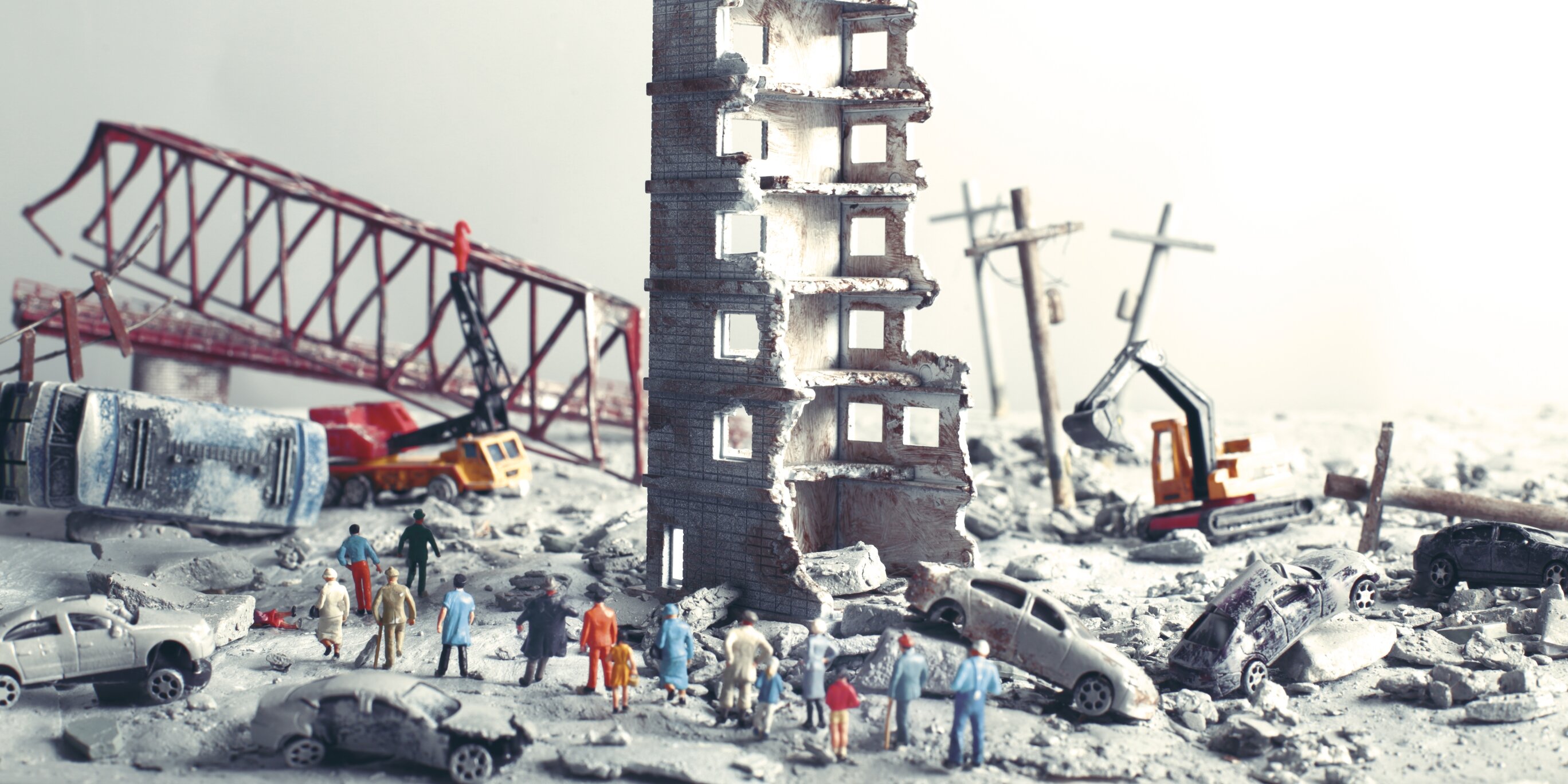
city destroyed
Case study
Location: Africa Madagascar
FAO combined historic losses and damages with forecasts, drought indicators, and vulnerability data to refine Madagascar’s drought triggers, enabling earlier, better‑targeted action that protected livelihoods.
  • Food and Agriculture Organization of the United Nations (FAO)
  • United Nations Office for Disaster Risk Reduction (UNDRR)
Case study
Location: Africa
FAO combined forecasts, market data, drought indicators, and historic agricultural losses and damages to map El Niño drought risk, enabling earlier, targeted action that protected food security across Southern Africa.
  • Food and Agriculture Organization of the United Nations (FAO)
  • United Nations Office for Disaster Risk Reduction (UNDRR)
Case study
Location: Kyrgyzstan
Kyrgyzstan adopted a unified Damage and Loss Assessment methodology to standardize agricultural loss data, improving impact reporting, comparability, and its use in planning, resilience efforts, and Sendai Framework reporting
  • Food and Agriculture Organization of the United Nations (FAO)
  • United Nations Office for Disaster Risk Reduction (UNDRR)
Case study
Location: Lebanon
Lebanon used agricultural losses and damages data to map conflict impacts, target recovery to the hardest‑hit districts, and design a needs‑based reconstruction plan, showing how solid losses data drives resilient recovery.
  • Food and Agriculture Organization of the United Nations (FAO)
  • United Nations Office for Disaster Risk Reduction (UNDRR)
Case study
This case study demonstrates how disaster losses and damage data can be applied to understand child displacement risk and inform forward-looking planning.
  • United Nations Children's Fund (UNICEF)
  • United Nations Office for Disaster Risk Reduction (UNDRR)
Case study
Recording displacement in the context of disasters and estimating the risk of future displacements is challenging. Evacuation numbers, both for planned and spontaneous evacuations, and arrivals in shelters are recorded on an ad hoc basis.
  • United Nations Office for Disaster Risk Reduction (UNDRR)
Case study
Location: Philippines
Due to its geographical location, the Philippines is highly exposed to Tropical Cyclones (TC). On average the Philippines receives about 20 TCs a year and they can cause significant humanitarian impact and economic loss.
  • United Nations Office for Disaster Risk Reduction (UNDRR)
Case study
Location: Sri Lanka
The importance of baseline information on exposure and vulnerability for risk modelling cannot be underestimated.
  • United Nations Office for Disaster Risk Reduction (UNDRR)
Case study
Location: Mongolia
Mongolia has invested significantly in collecting local disaster losses and damages data for every hazard event, regardless of the size of its impact.
  • United Nations Office for Disaster Risk Reduction (UNDRR)
Case study
Location: Sierra Leone
In the absence of nationally aggregated disaster data, most countries rely on patchy data collected by humanitarian responders or on global datasets.
  • United Nations Office for Disaster Risk Reduction (UNDRR)

Related

Man collecting data
Disaster losses and damages tracking
UNDRR and partner organisations support countries in monitoring their progress in reducing losses and damages at national and sub-national levels through publicly-accessible Disaster Tracking Systems for hazardous events and disaster losses and damages.