UNDRR Logo
My account
Navigation loading…
Your experience on PreventionWeb

Please help us improve PreventionWeb by taking this brief survey. Your input will allow us to better serve the needs of the DRR community.

See the survey

Last updated 8 Jan 2026

Heat and transportation

Upload your content
Image
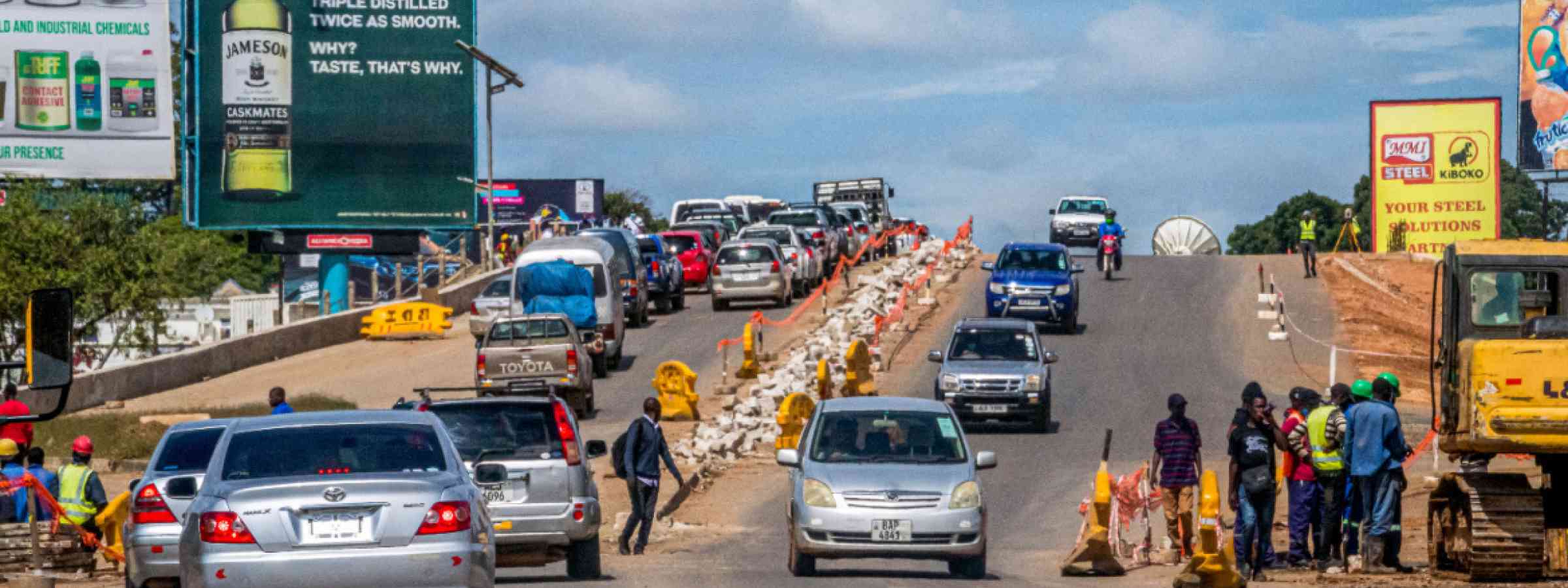
The Great East road towards Cairo Road in Lusaka, Zambia
Africadventures/Shutterstock

Introduction

Extreme heat places increasing strain on energy systems, damages transport infrastructure, and disrupts mobility and logistics, with cascading impacts across economies and essential services.

This collection examines how heat affects critical infrastructure and transport networks (air, railway, road), including their interdependencies, and brings together evidence and practical solutions to support resilience and adaptation in a warming climate.

Extreme heat isn’t just uncomfortable — it can literally break the systems we rely on to move around.

Themes
Critical infrastructure

Knowledge base

Silhouette electricity pylons during sunset
Update
14 June 2023
Summer heat waves could cause blackouts across the country

Higher than normal temps could strain grids that are not used to unprecedented heat waves.

Eos - AGU
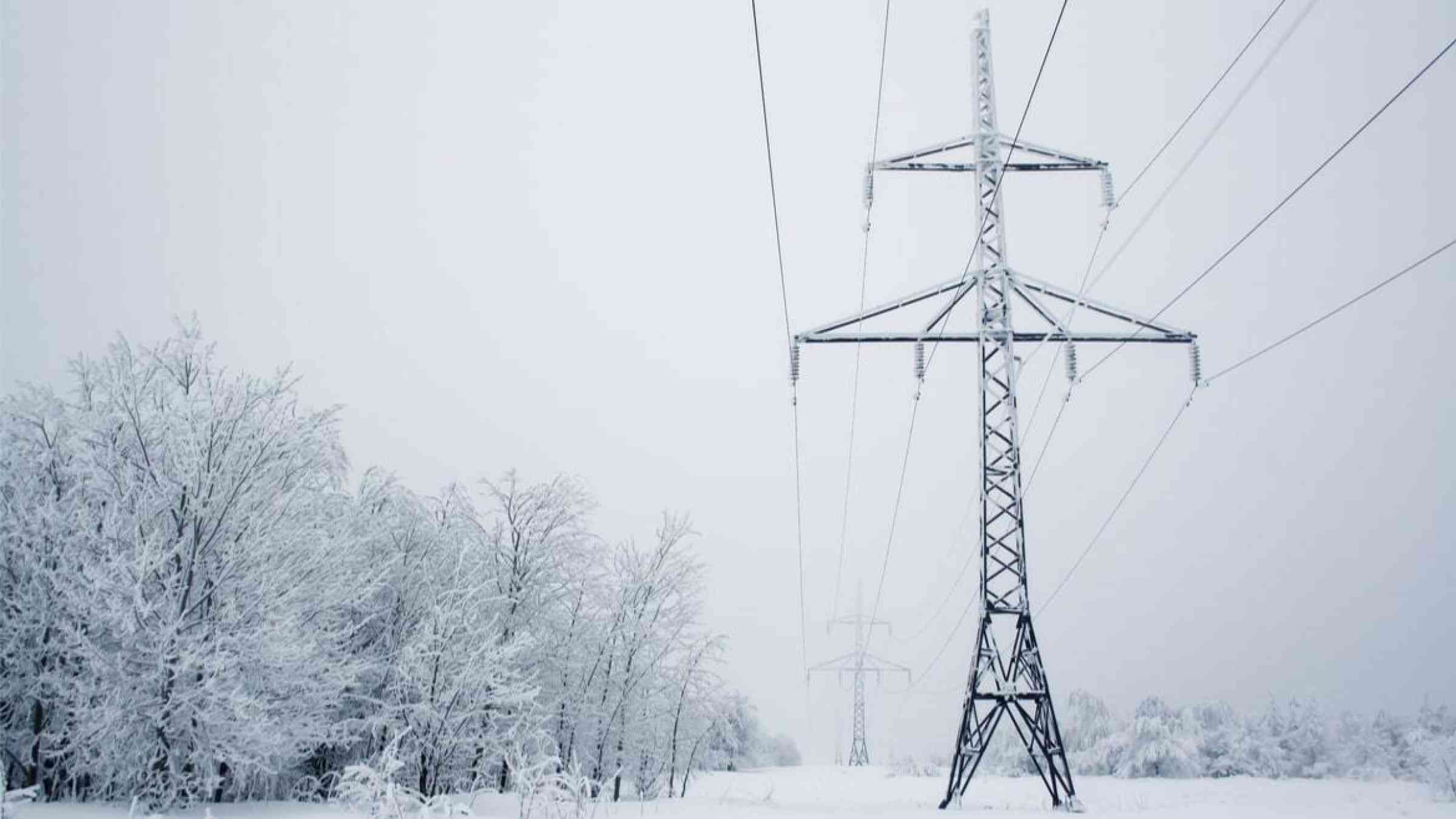
Power lines frozen under moderate snow
Update
28 July 2022
Using historical weather data to optimize power grid

Information about past outlier conditions could provide valuable context to help operators better manage the grid during extreme weather.

Texas A&M University System
This image shows an airplane in front of the bright yellow rising sun on the runway.
Update
28 March 2022
Extreme heat already disrupts air travel. With climate change, it's going to get worse

Last month's United Nations report on climate change predicted even more intense heat waves to come. That's why airlines, airplane manufacturers and airports are beginning to plan now for what this hotter future looks like.

PhysOrg, Omicron Technology Ltd
Cover and title of publication
Documents and publications
1 August 2021
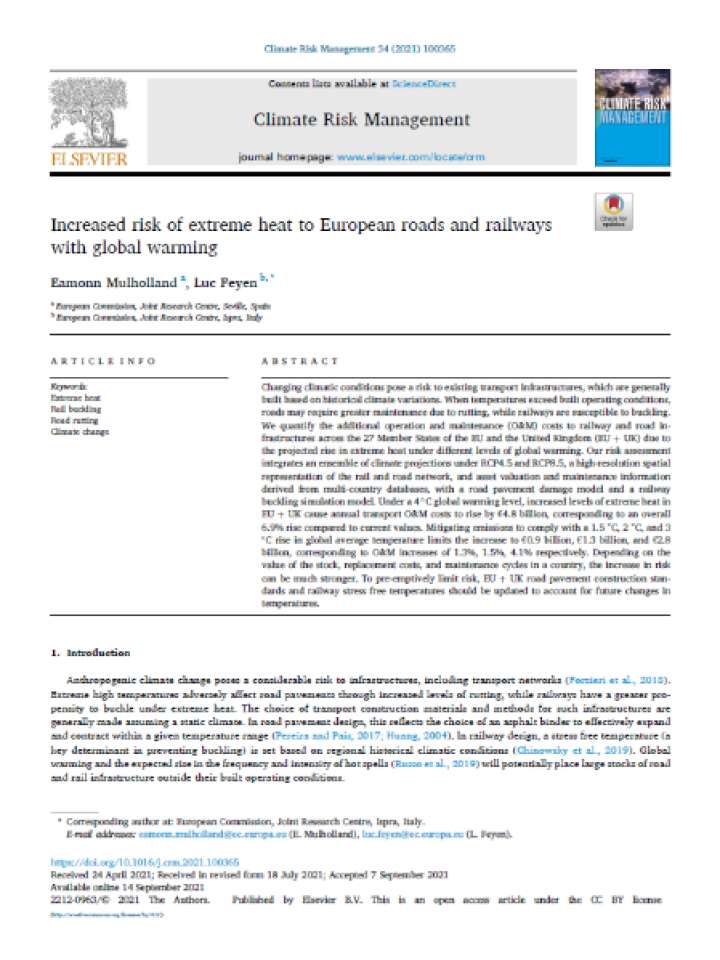
Increased risk of extreme heat to European roads and railways with global warming

This study aims to investigate the increased cost to European road and railway infrastructures due to an increase in extreme heat corresponding to four different global warming levels (GWL): 1.5 ◦C, 2 ◦C, 3 ◦C, and 4 ◦C.

Climate Risk Management (Elsevier)
Research briefs
10 July 2019
Pounding the pavement

As climate change renders pavements increasingly vulnerable, new research reveals that thicker asphalt on certain roads can extend their life cycle.

University of New Hampshire
Update
9 July 2019
USA: How do power grids beat the summer heat?

AC use during heat waves can increase electricity consumption drastically, raising questions about long-term planning and sustainability for U.S. grid operators.

Union of Concerned Scientists
Update
15 January 2019
Australia: 35 degree days make blackouts more likely, but new power stations won’t help

Research shows that Australians are without power for 3.5 times longer on days over 35°C. Politicians, buffered by upset consumers, often blame outages on a lack of electricity generation capacity, but local network problems are usually the culprit.

Conversation Media Group, the
Research briefs
18 May 2015
U.S. West's power grid must be prepared for effects of climate change

According to the research by sustainability scientists Matthew Bartos and Mikhail Chester of Arizona State University, higher temperatures and increased intensity of droughts could compromise the electricity grid.

Arizona State University

Pagination

Showing results 11–18 on this page

  • Previous
  • 1
  • 2

Is this page useful?

Yes No
Report an issue on this page

Thank you. If you have 2 minutes, we would benefit from additional feedback (link opens in a new window).

PreventionWeb is the global knowledge sharing platform for disaster risk reduction (DRR) and resilience.

  • Newsletter
  • Submit your content
  • Blog pitches
  • Submission and publishing policy
  • About PreventionWeb
  • Contact us

Hazards

  • Avalanche
  • Cold Wave
  • Cyclone, Hurricane and Typhoon
  • Drought and Desertification
  • Earthquake
  • Epidemic and pandemic
  • Flood
  • Heatwave, extreme heat and heat stress
  • Insect infestation
  • Land subsidence
  • Landslide
  • Nuclear, biological, chemical (NBC)
  • Sea level rise
  • Technological hazard
  • Thunderstorm
  • Tornado
  • Tsunami
  • Volcano
  • Wildfire

Regions

  • Africa
  • Americas
  • Asia
  • Europe
  • Oceania

Themes

Understanding & managing risk

  • Preparedness
  • Early warning
  • GIS and mapping
  • Data and information management
  • Risk identification and assessment
  • Small Island Developing States
  • Earth Observation

Natural environment

  • Climate change
  • Environment and ecosystems
  • Food security and agriculture
  • Water

Cross-cutting

  • Systemic risk
  • Recovery

Human development

  • Capacity development
  • Children and youth
  • Civil society / NGOs
  • Community-based DRR
  • Cultural heritage
  • Gender
  • Human mobility
  • Inclusion
  • Social impacts and resilience

Science, knowledge & advocacy

  • Disaster risk communication
  • Traditional and Indigenous knowledges
  • Science-policy-practice interface

State, governance & economy

  • Financing DRR
  • Fragility and conflict
  • Governance
  • Insurance and risk transfer
  • Private sector

Infrastructure & critical services

  • Critical infrastructure
  • Education and school safety
  • Health and health facilities
  • Structural safety
  • Urban risk and planning
Loading