Sendai Framework for Disaster Risk Reduction

Learn more about the Sendai Framework and explore it in depth.

The Framework aims to achieve the substantial reduction of disaster risk and losses in lives, livelihoods and health and in the economic, physical, social, cultural and environmental assets of persons, businesses, communities and countries.
The Sendai Framework is transforming how the world addresses disaster risk.
SFDRR cover
Download the Sendai Framework
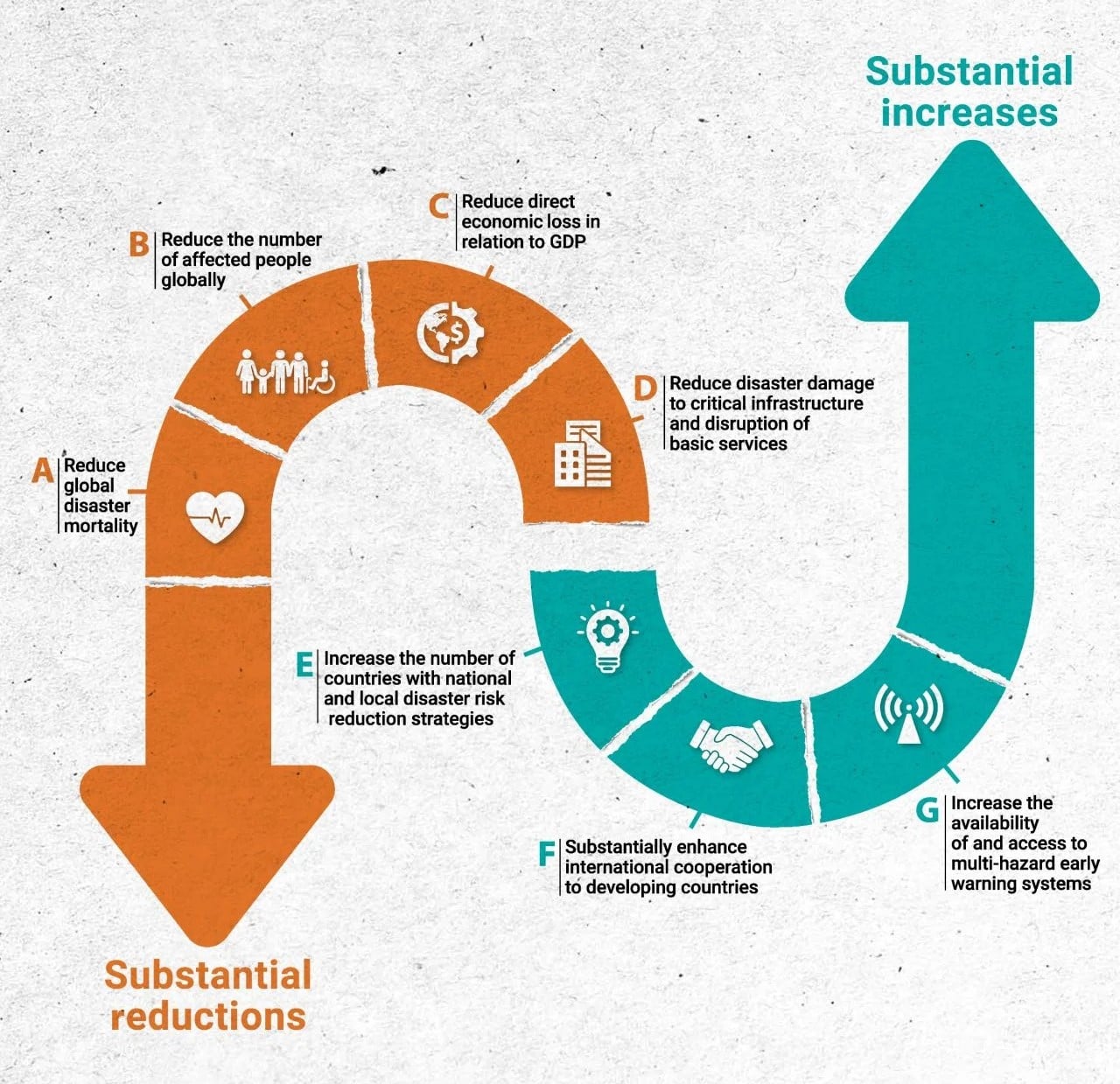
The Sendai Framework for Disaster Risk Reduction 2015-2030 outlines seven clear targets and four priorities for action to prevent new and reduce existing disaster risks.

(Available in Arabic, Chinese, English, French, Russian and Spanish)

Sendai Framework

Explore the global framework guiding efforts to reduce disaster risk and strengthen resilience worldwide.
Overview of the Framework
The Sendai Framework for Disaster Risk Reduction 2015-2030 was adopted by UN Member States on 18 March 2015 at the Third UN World Conference on Disaster Risk Reduction in Sendai City, Miyagi Prefecture, Japan.
Sendai Framework Monitor
Strong accountability is one of the cornerstones of the Sendai Framework for Disaster Risk Reduction.
Sendai Framework indicators
A set of 38 indicators was identified to measure global progress in the implementation of the Sendai Framework for Disaster Risk Reduction.

Sendai Framework Global Targets

Target A: Reduce global disaster mortality

Target B: Reduce the number of affected people globally

Target C: Reduce direct economic loss in relation to GDP

Target D: Reduce disaster damage to critical infrastructure and disruption of basic services

Target E: Increase the number of countries with national and local DRR strategies

Target F: Substantially enhance international cooperation to developing countries

Target G: Increase the availability of and access to multi-hazard early warning systems

ndian woman and baby in her arms are smiling with very good mood in Goa, India
Sendai Gender Action Plan
The Gender Action Plan to support implementation of the Sendai Framework for Disaster Risk Reduction 2015-2030 (Sendai GAP) aims to accelerate progress towards the mutually reinforcing goals of gender equality and the prevention and reduction of disaster risk by ensuring DRR efforts are gender-responsive, and promote and support women’s empowerment and leadership.

Sustainable development and DRR

Understand how disaster risk reduction supports sustainable development and the achievement of the SDGs.
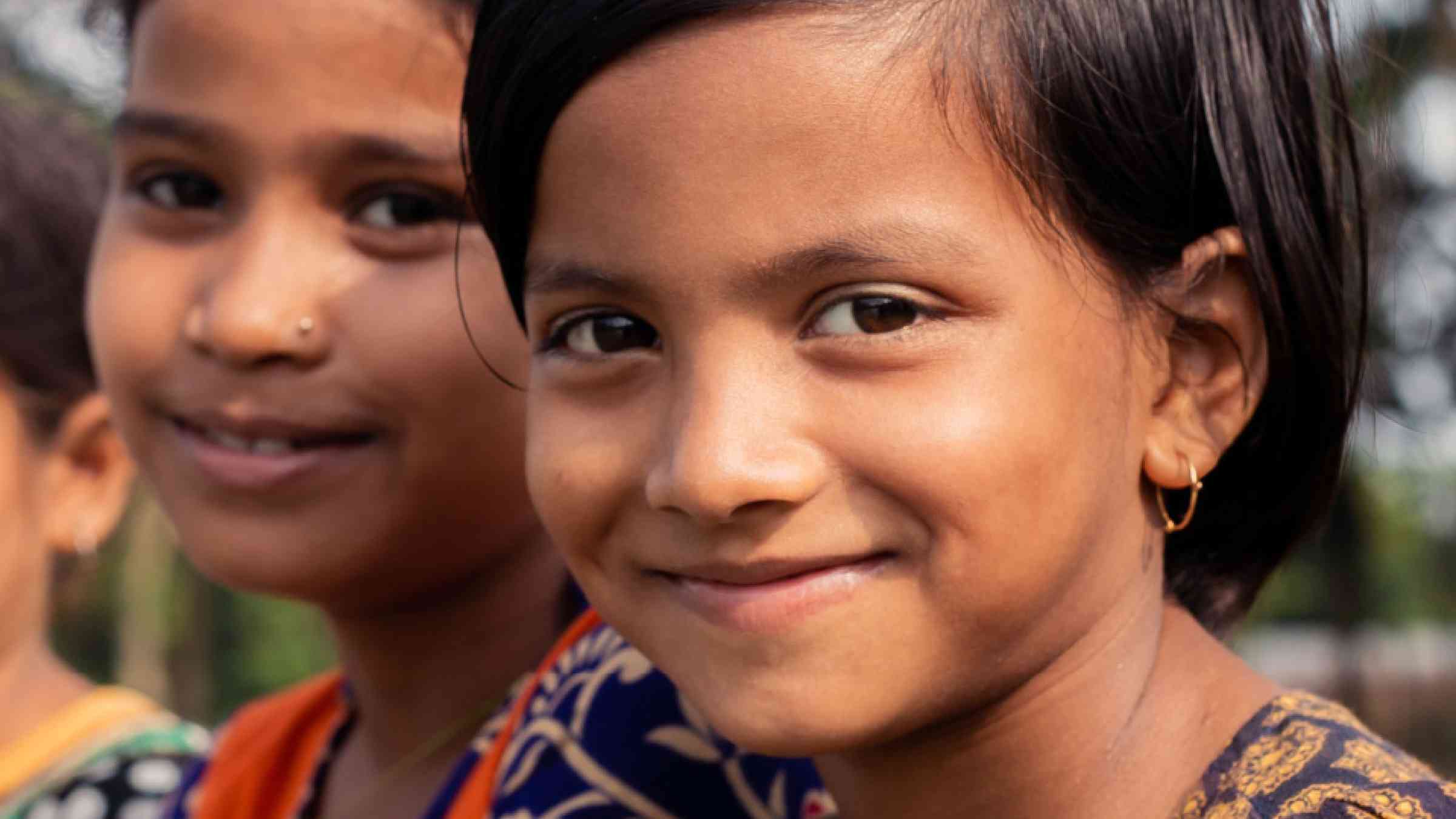
Young girls smiling at the camera
UN Plan of Action on Disaster Risk Reduction for Resilience
The UN Plan of Action on Disaster Risk Reduction for Resilience is the contribution by the UN to ensure the implementation of the Sendai Framework contributes to a risk-informed and integrated approach to the achievement of the 2030 Agenda for Sustainable Development.

Stakeholder engagement

Discover how governments, organizations, and communities collaborate to advance disaster risk reduction.

Voluntary Commitments
All non-state stakeholders working on DRR can submit and follow-up their commitments including private sector, civil society organizations, academia, media, local governments, and others.
National Platforms
National Platforms are mechanisms for coordination and policy guidance on disaster risk reduction that are multi-sectoral and inter-disciplinary in nature, with public, private and civil society participation involving all concerned entities within a country.
Capacity development
The Strategic Approach to Capacity Development for Implementation of the Sendai Framework for Disaster Risk Reduction seeks to establish among all stakeholders a common understanding of capacity development within the disaster risk reduction (DRR) context.

Additional resources

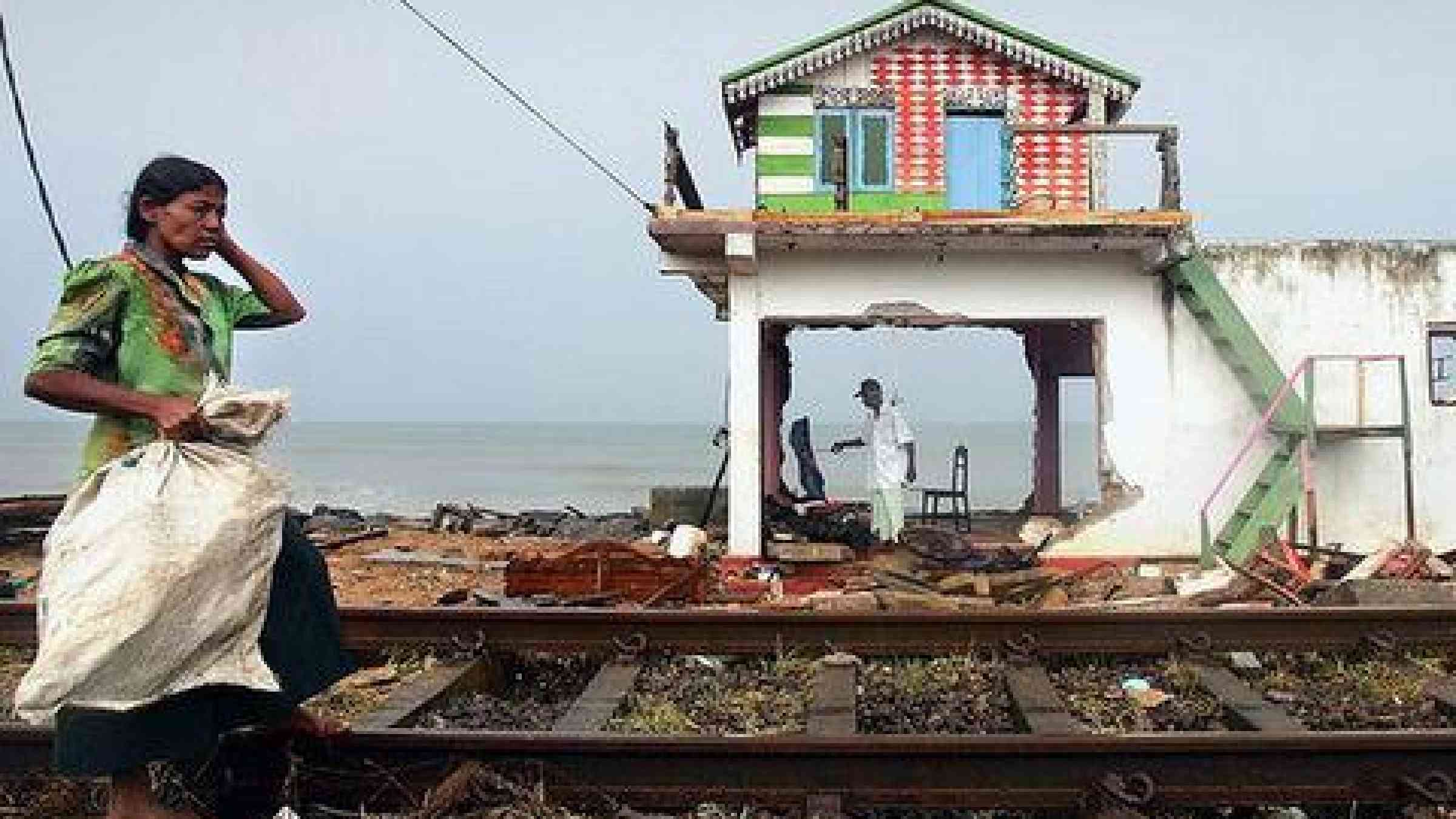
The Hyogo Framework, adopted in the aftermath of the Indian Ocean tsunami, has been a catalyst for increased DRR funding.
Hyogo Framework for Action
The Hyogo Framework for Action (HFA) was the global blueprint for disaster risk reduction efforts between 2005 and 2015.
WiA
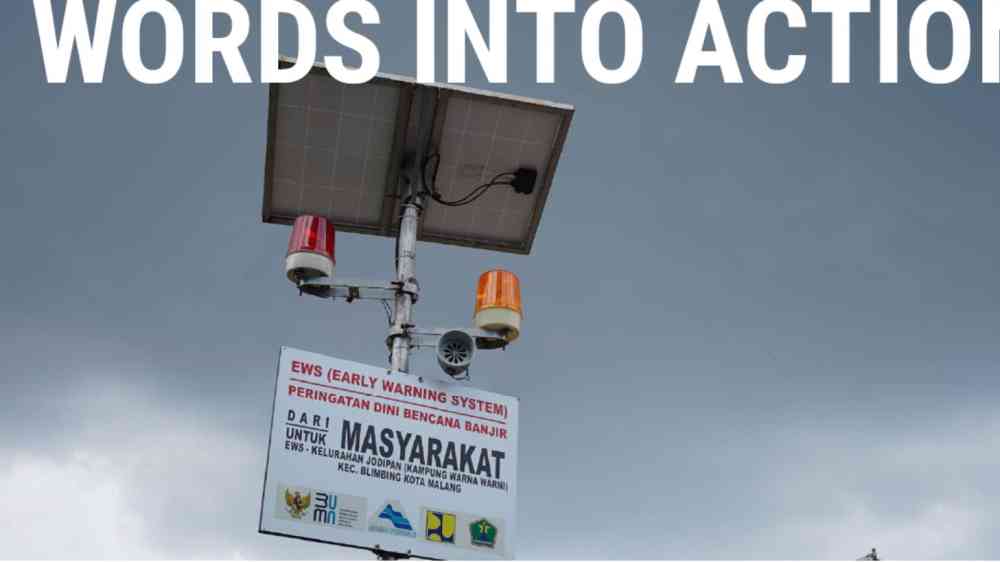
Words into Action
WiA are a series of guidelines, based on global expertise, communities of practice, and networks of Disaster Risk Reduction (DRR) practitioners.