UN support to the UN Plan of Action on Disaster Risk Reduction for Resilience
Documents, news and resources created by UN Funds, Programmes, Specialized Agencies and others which support the UN Plan of Action on Disaster Risk Reduction for Resilience.
A WMO analysis of 35 national EW4All roadmaps, reveals both the progress made and the scale of investment needed to deliver universal early warning coverage. As 2027 approaches, the roadmaps offer a framework for common and scaled up action.
Climate hazards affect over half the world’s population, but vulnerability varies widely. In 2024, 1.5 billion people were both exposed to climate-related hazards and highly vulnerable to their impacts, limiting their ability to cope and recover.
A tsunami can reach the coast within minutes of an earthquake or other sudden disturbance, sometimes before any official alert. What people already know, and what they do in those first minutes, often decides who survives.
United Nations Office for Disaster Risk Reduction (UNDRR)
Ahead of COP31, the latest Lancet Countdown report finds that the health impacts of climate change are accelerating, with heat-related deaths, drought and other climate-related risks increasing faster than a decade ago.
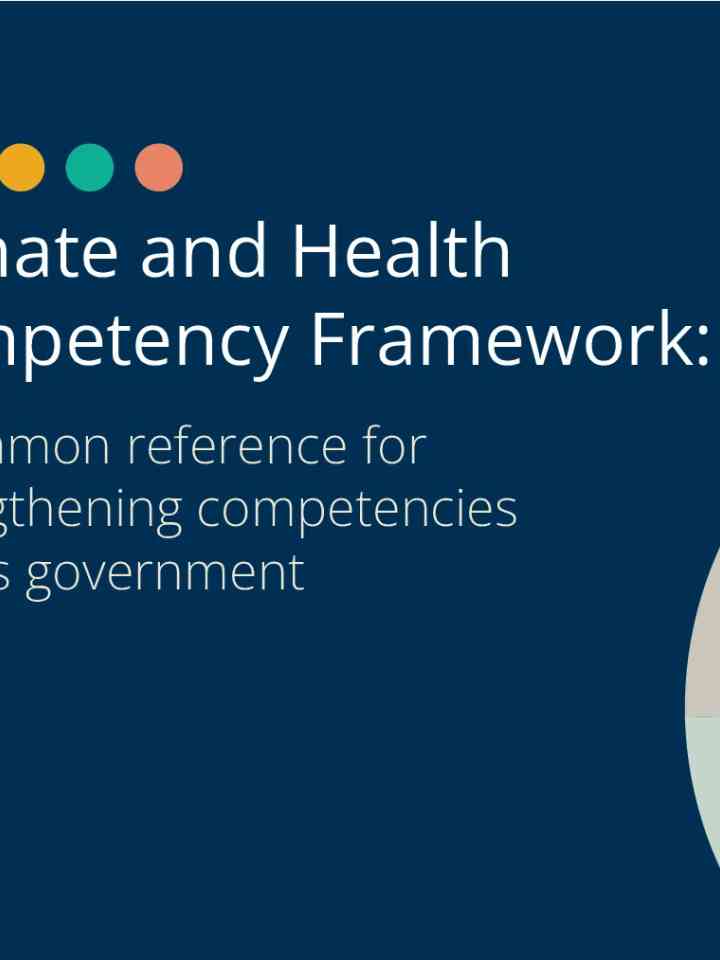
This Climate and Health Competency Framework defines the essential competencies needed for climate–health action across ministries, sectors, and functions of government.
The purpose of this guidance note is to provide technical, step-by-step guidance for assessing the risks and biophysical and socioeconomic impacts associated with El Niño and translating the scientific language into actionable decision-making.
United Nations Economic and Social Commission for Asia and the Pacific (UN-ESCAP)
United Nations Development Programme (UNDP)
Regional Integrated Multi-Hazard Early Warning System for Africa and Asia, the
United Nations Office for Disaster Risk Reduction (UNDRR)