
Items: 11
With wildfires growing more destructive both in the United States, University at Buffalo researchers have conducted one of the most extensive evaluations to date of artificial intelligence-based deep learning models for predicting wildfire spread.

A University at Buffalo researcher has developed a framework to help scientists incorporate community input into Earth system models, tools that simulate climate as well as chemical and biological processes.

University at Buffalo engineers, partners create model to make nation’s grid more resilient amid extreme weather, projected spikes in demand

Salt corrodes buildings. Earthquakes shake them. What happens when an earthquake hits a building already damaged by saltwater?
Think beyond the infant in your arms. That’s the call to action a University at Buffalo epidemiologist is stressing in a new line of research investigating the long-term effects climate change is likely to have on birthing parents and future generations.
Researchers are working to integrate data from CrowdHydrology, a crowdsourced water measurement system, into the National Water Model to forecast conditions along the United States' waterways. The goal is to connect first responders, citizens and other stakeholders with accurate, near real-time data, and to enhance communication about flooding during emergencies.
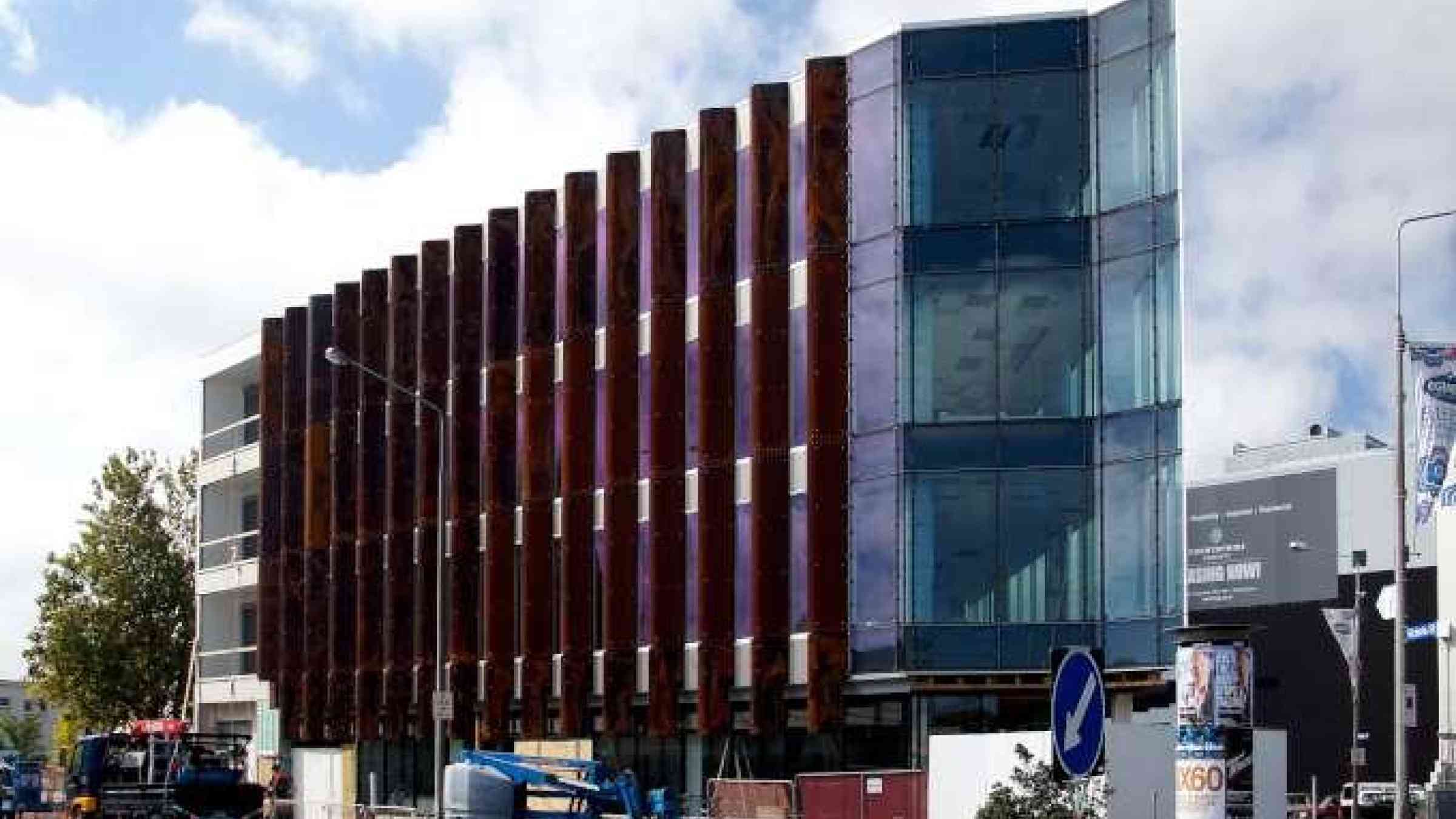
A new report details the reconstruction of Christchurch, the largest city in the South Island of New Zealand, following the 2010-11 earthquake series. The document examines the types of structural systems used during the reconstruction of the city, and some of the technical, sociological and political choices associated with those decisions.
Researchers have received funding to study the impacts of heat and cold in Tempe and Buffalo. The uneven distribution of cold and heat is attributed to variability in infrastructure and social factors that influence risk. By creating linkages between different disciplines, the researchers hope to better manage extreme weather and its consequences.
Voluntary Commitments
The organization has no registered commitments.
The Sendai Framework Voluntary Commitments (SFVC) online platform allows stakeholders to inform the public about their work on DRR. The SFVC online platform is a useful toolto know who is doing what and where for the implementation of the Sendai Framework, which could foster potential collaboration among stakeholders. All stakeholders (private sector, civil society organizations, academia, media, local governments, etc.) working on DRR can submit their commitments and report on their progress and deliverables.