Items: 17
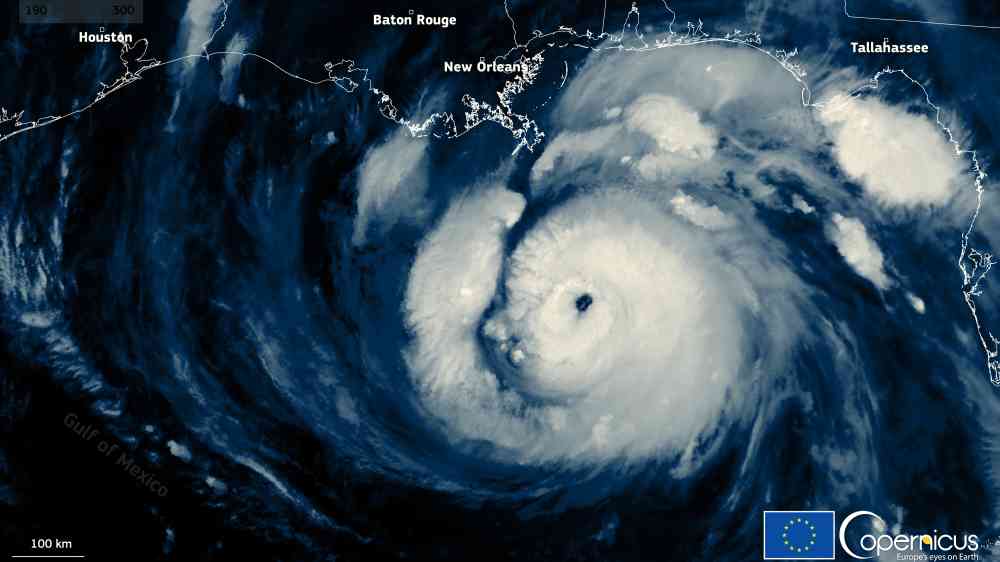
Cities simply don’t have enough time to run from a storm like Ida.
Hundreds of preexisting plans deal with individual natural-disaster scenarios. But these plans haven’t accounted for COVID-19 happening at the same time.
Over the past few decades, warm nights have accumulated most ominously in the United States, indicating symptoms of human-caused climate change.
As historic flooding ravages the U.S. Midwest, attempts to refer to the disaster as "natural" merely detract from guilty parties' inaction to properly mitigate losses. But an overhaul of FEMA's risk assessment method, changes in flood insurance premiums and better floodplain regulations are signs of hope that authorities are taking responsibility.
Although disasters like the Camp Fire seem to strike indiscriminately, low-income households suffer disproportionately because their homes are not as strong and they do not have the means to receive disaster alerts or evacuate. Even during recovery, poorer individuals have the worst access to services and must contend with more hardship if they stay in their town.
Venice shows that climate adaptation programmes, whether they are urban or ecological in nature, only function by overcoming structural and political differences. Marshaling the will to act quickly, communally, and with adequate authority in the blustery American political climate is a challenge, but some cities are already making progress.
While tsunami early warnings are helpful for averting mass tragedies, people who live on coastlines are often not given advanced notice because of technological and human delays inherent to the warning process. Even sophisticated warning systems, such as those seen in the U.S., are limited in their ability to give sufficient notice.
Groups perceived as vulnerable to hot temperatures in San Francisco include the elderly, children, and sick people. But studies show that pregnant women are also vulnerable to hot temperatures, linking temperature increases to premature births and other negative pregnancy outcomes. Climate change raises the need to inform pregnant women about this health threat.
Voluntary Commitments
The organization has no registered commitments.
The Sendai Framework Voluntary Commitments (SFVC) online platform allows stakeholders to inform the public about their work on DRR. The SFVC online platform is a useful toolto know who is doing what and where for the implementation of the Sendai Framework, which could foster potential collaboration among stakeholders. All stakeholders (private sector, civil society organizations, academia, media, local governments, etc.) working on DRR can submit their commitments and report on their progress and deliverables.
Contact information
Fax:
(246) 421-8612