Items: 13
The purpose of this conversation is to illustrate the concrete solutions and approaches that have proven relevant in post-disaster settings, with particular emphasis on regional cooperation.
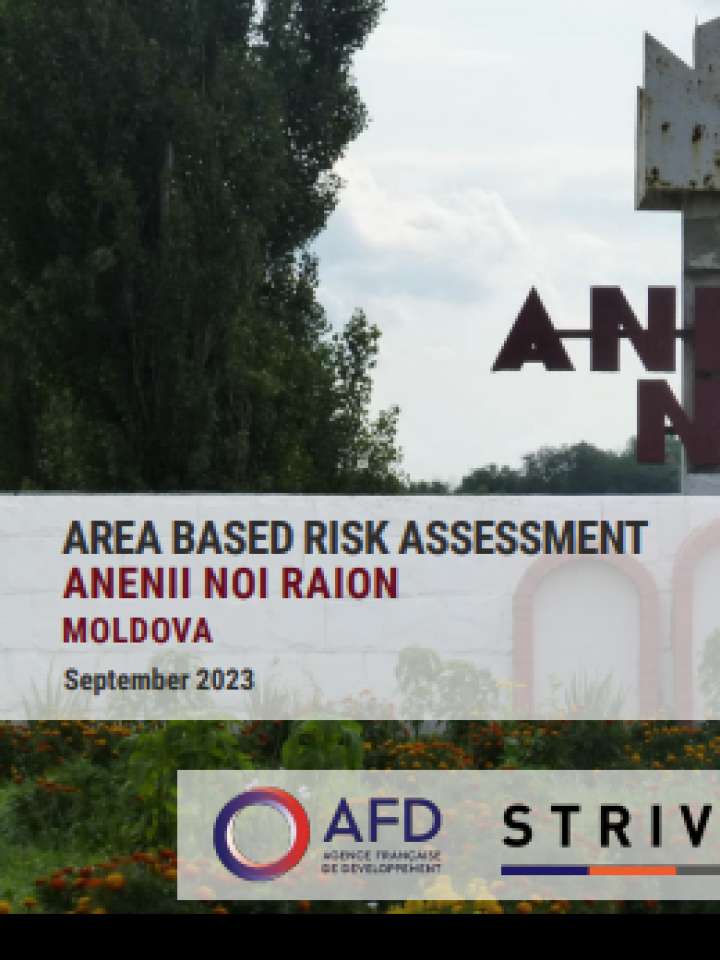
The ABRA aims to identify the potential for disasters, exposed population and their vulnerabilities to disasters, and estimate impact, so protective measures can be taken to reduce damage and harm to the population and environment.
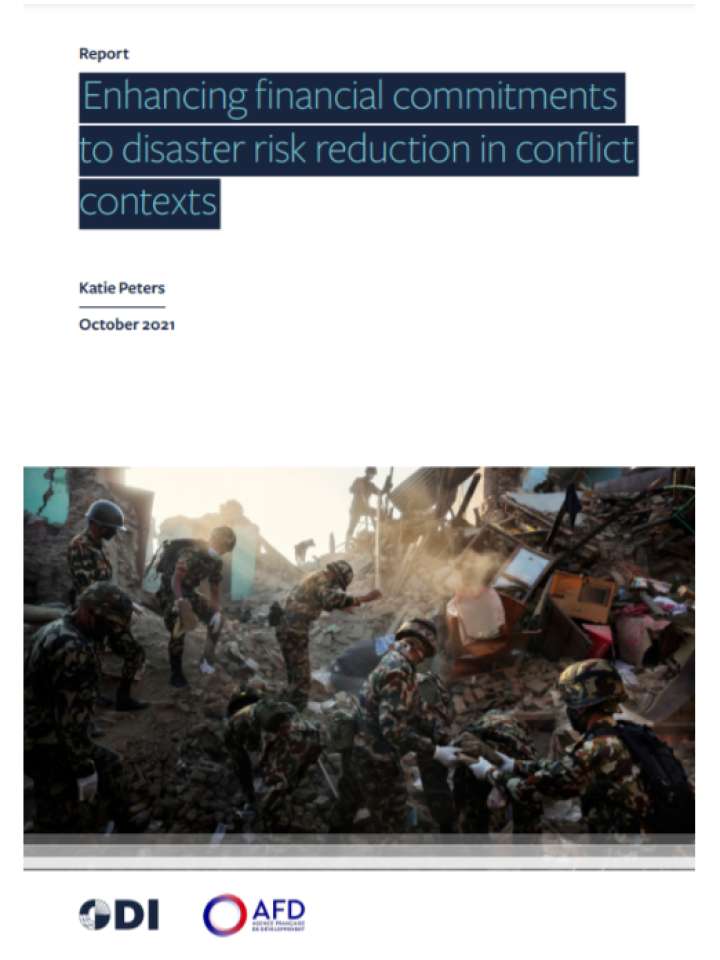
This report seeks to encourage development finance institutions and government donors to enhance their financial commitments on disaster risk reduction in fragility, conflict and violence contexts.
Webinaire et forum pour la Journée Mondiale de la Réduction des Risques de Catastrophes
Across the world, flooding remains the most frequent and most damaging natural risk.
The plant will serve around 400,000 people living in Hebron City and along Wadi As-Samen in Hebron Governorate and will pave the way to treated water reuse for agricultural purpose.
AFD mobilizes co-financing with Asian Development Bank to support the decentralization of reforms in the Philippines, boosting local resilience to fight disaster risk.
Losses due to natural disasters have increased sharply over the last 30 years. What is remarkable, however, is that the gap in insurance protection between uninsured and insured natural catastrophes has been increasing.
Voluntary Commitments
The organization has no registered commitments.
The Sendai Framework Voluntary Commitments (SFVC) online platform allows stakeholders to inform the public about their work on DRR. The SFVC online platform is a useful toolto know who is doing what and where for the implementation of the Sendai Framework, which could foster potential collaboration among stakeholders. All stakeholders (private sector, civil society organizations, academia, media, local governments, etc.) working on DRR can submit their commitments and report on their progress and deliverables.
Contact information
Fax:
+1-6046649004