Items: 30

Researchers from the University of Hawai‘i at Mānoa recently published a study showing that they can skillfully predict El Niño and La Niña 15 months ahead of time.
A study reveals that Waikīkī in Hawai‘i is facing a fundamental shift in flood hazards as sea levels rise–transitioning from a flooding that is driven primarily by rainfall to events increasingly dominated by tidal processes.
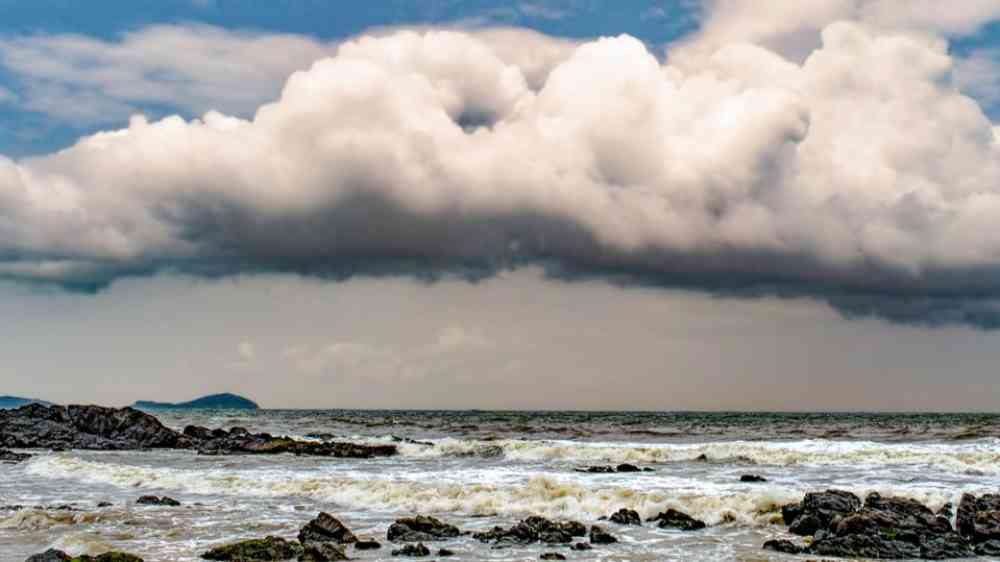
The study suggests that within the next 30 to 40 years, ENSO may transition from its current irregular El Niño-La Niña cycles to a more consistent pattern of strong oscillations marked by larger sea surface temperature (SST) fluctuations.
A new study published in the journal Nature Communications reveals that the El Niño-Southern Oscillation (ENSO), a key driver of global climate variability, is projected to undergo a dramatic transformation due to greenhouse warming.

Researchers at the University of Hawai‘i at Mānoa discovered that by 2050, large rain events combined with sea level rise could cause flooding severe enough to disrupt transportation and contaminate stormwater inlets across 70% of Waikīkī on Oahu, Hawaii.
New research from the Coastal Research Collaborative (CRC) at the University of Hawai‘i (UH) at Mānoa determined that 81% of O‘ahu’s coastline could experience erosion by 2100, with 40% of this loss happening by 2030.
As sea level rises, the infrastructure, businesses, and communities in low-lying areas in Haiti are at risk of flooding sooner than scientists anticipated.
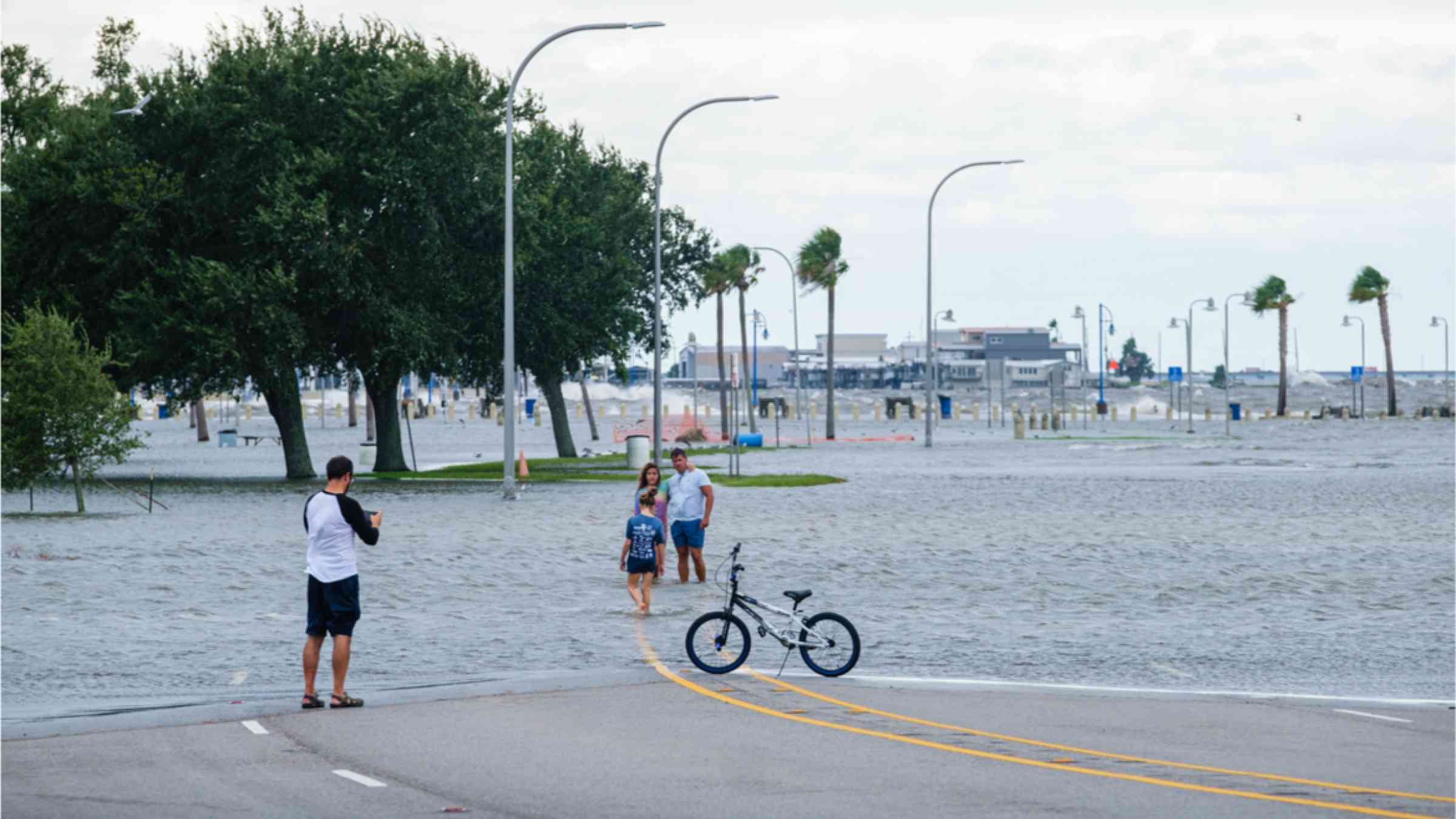
A recent study compiled research showing that in cities where there are complex networks of buried and partially buried infrastructure, interaction with this shallower and saltier groundwater exacerbates corrosion and failure of critical systems.
Voluntary Commitments
The organization has no registered commitments.
The Sendai Framework Voluntary Commitments (SFVC) online platform allows stakeholders to inform the public about their work on DRR. The SFVC online platform is a useful toolto know who is doing what and where for the implementation of the Sendai Framework, which could foster potential collaboration among stakeholders. All stakeholders (private sector, civil society organizations, academia, media, local governments, etc.) working on DRR can submit their commitments and report on their progress and deliverables.