Items: 19
A model developed by Washington State University researchers could someday help communities determine how best to motivate homeowners to prepare their properties for possible wildfires.
The Northwest can expect a widespread increase of days with cloud-to-ground lightning in the years to come — along with heightened wildfire risk — according to projections made with a unique machine-learning approach.
An inexpensive paper sensor along with a smartphone-based reader developed by a Washington State University-led team can rapidly provide information on a person's personal smoke exposure during wildfire season.
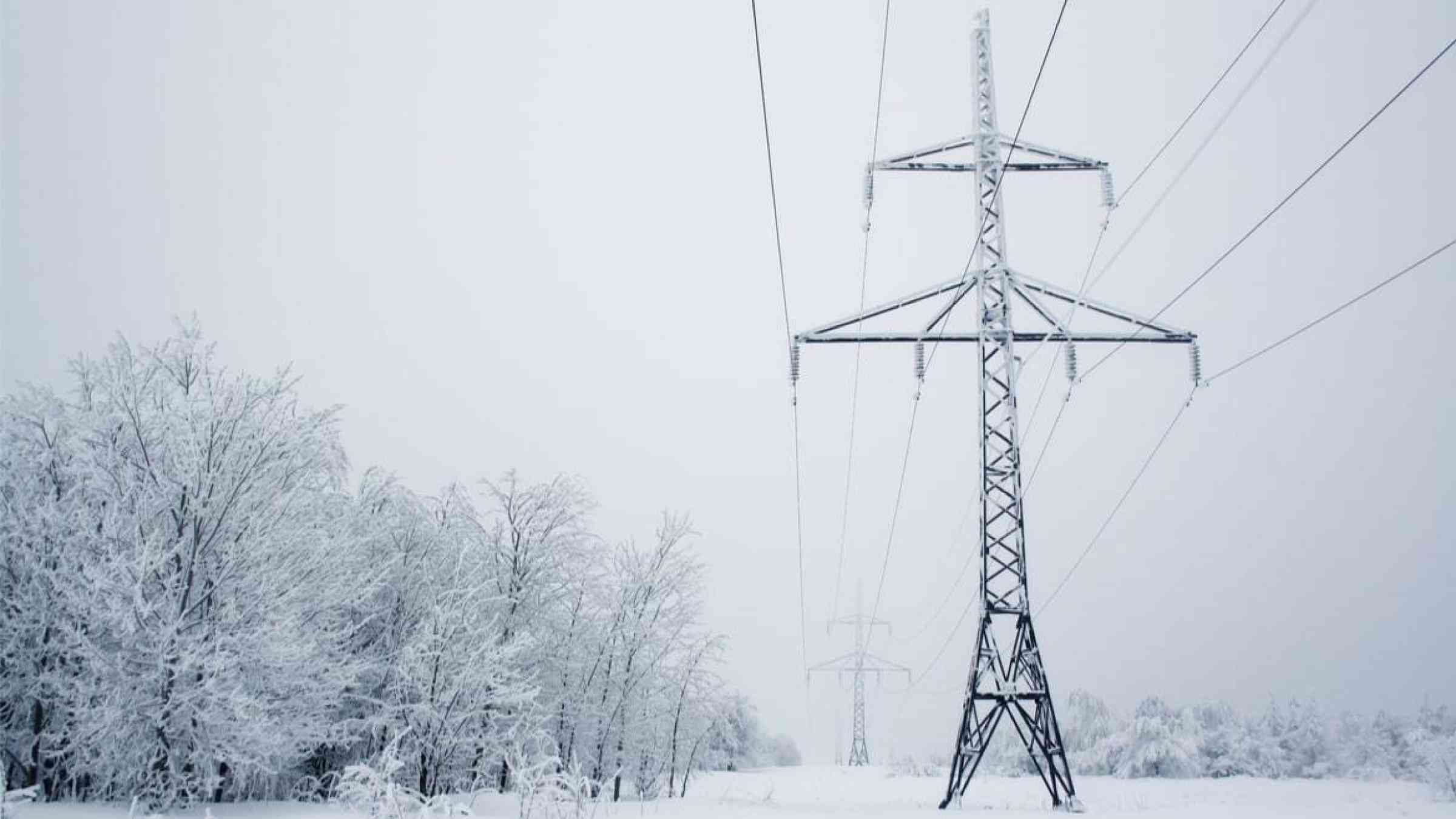
Conditions that usually accompany the kind of intense hot and cold weather that strains power grids may also provide greater opportunities to capture solar and wind energy.

The Washington State University-led research draws on the expertise of climate and social scientists to show how data on different characteristics of climate variability can be used to study the effectiveness of various human responses to climate change.
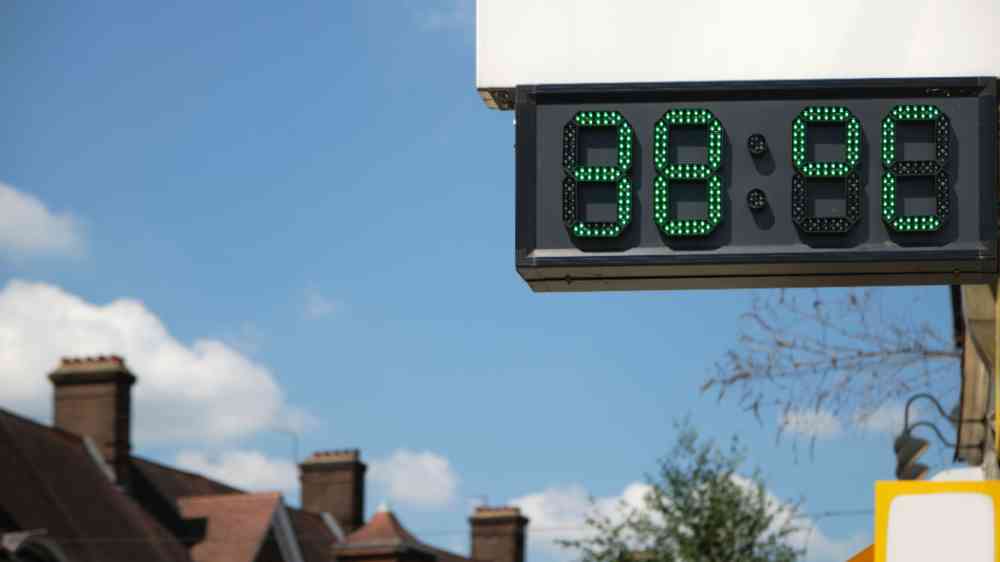
A shipping container that can test passive cooling systems could help researchers and builders find carbon-free ways to keep people cool in extreme temperatures.
Dry lightning can still be disastrous even when conditions aren’t so dry, a study has found.
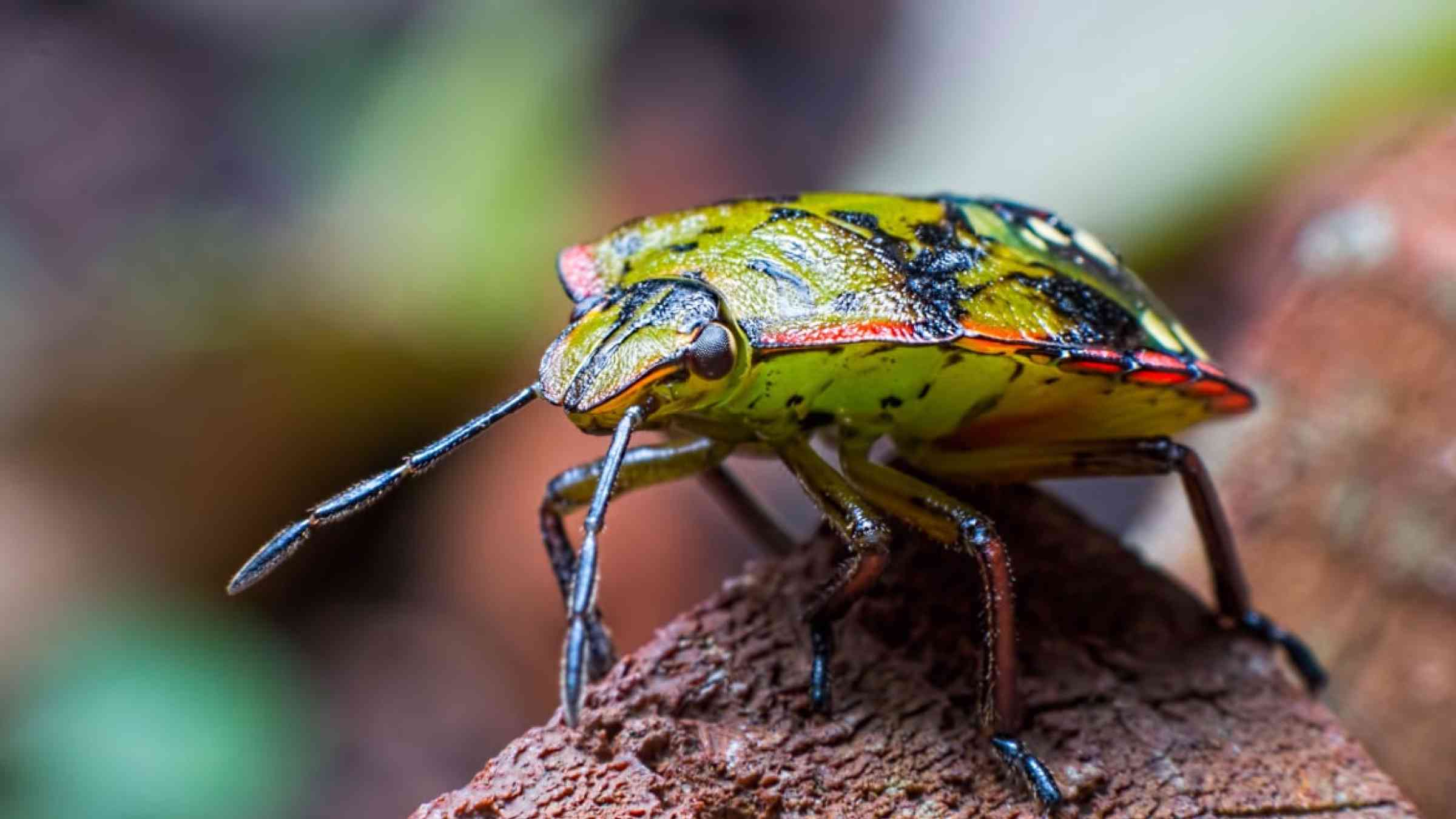
A foul-smelling, voracious, wide-spread pest could become even more ubiquitous with climate change.
Voluntary Commitments
The organization has no registered commitments.
The Sendai Framework Voluntary Commitments (SFVC) online platform allows stakeholders to inform the public about their work on DRR. The SFVC online platform is a useful toolto know who is doing what and where for the implementation of the Sendai Framework, which could foster potential collaboration among stakeholders. All stakeholders (private sector, civil society organizations, academia, media, local governments, etc.) working on DRR can submit their commitments and report on their progress and deliverables.