1. Home
  2. Knowledge Base | PreventionWeb
  3. Themes

Earth Observation

Earth Observation (EO) is the process of gathering information about the Earth’s surface, waters and atmosphere via ground-based, airborne and/or satellite remote sensing platforms.

This theme includes the use of space-based and aerial technologies such as satellite communications, remote sensing and drones to improve disaster management and collect data for disaster risk reduction (DRR).

Latest Earth Observation additions in the Knowledge Base

Uploaded on
Update

A collaboration of scientists from NASA and Brazilian research institutions has produced a detailed picture of groundwater change across Brazil.

National Aeronautics and Space Administration (NASA)
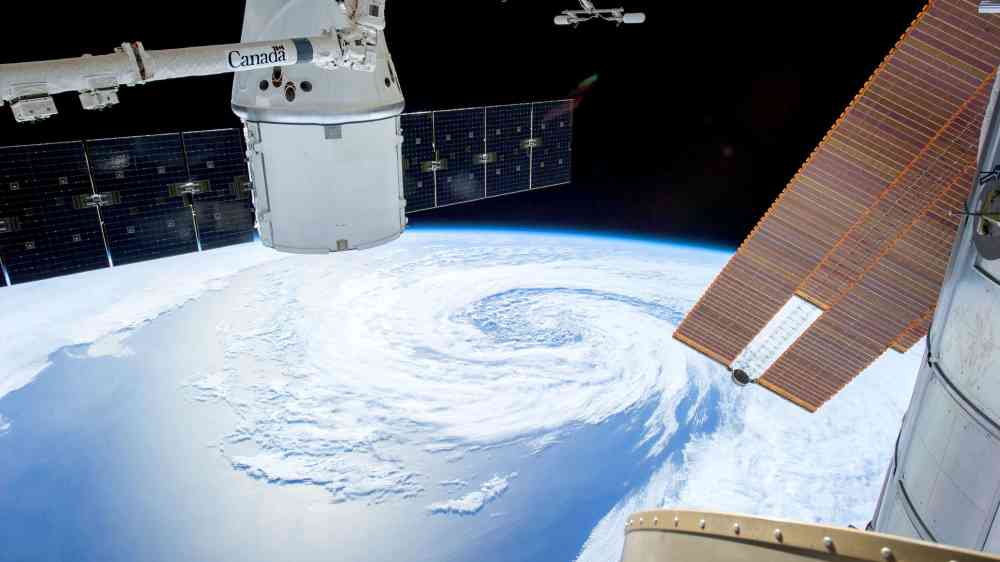
Powerful hurricane Melissa seen from space with a clearly defined eye over the Caribbean sea, Octoner 2025.
Update

In mid-April 2026, Super Typhoon Sinlaku churned across the North Pacific Ocean and brought heavy rain and flooding to the Mariana Islands.

National Aeronautics and Space Administration (NASA)
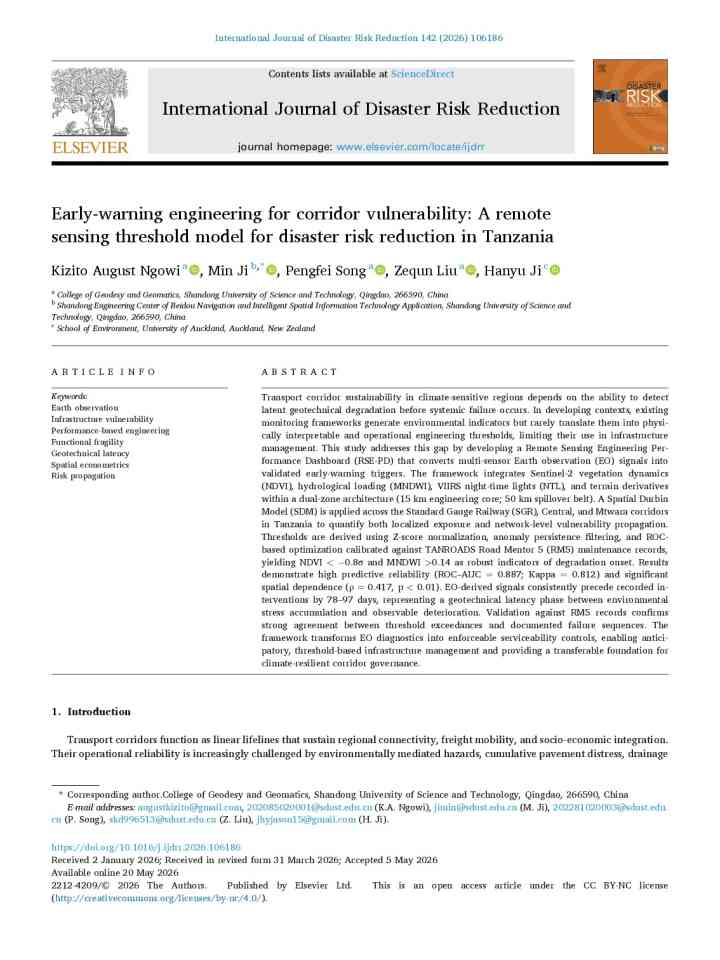
Early-warning engineering for corridor vulnerability: A remote sensing threshold model for disaster risk reduction in Tanzania thumbnail
Documents and publications

This research article examines how Earth observation technologies can strengthen early warning and disaster risk reduction for transport infrastructure in Tanzania.

International Journal of Disaster Risk Reduction (Elsevier)
Update

A team of scientists published an analysis of Hektoria’s collapse based on a suite of remote-sensing data, finding that its particular geometry enabled the rapid change.

National Aeronautics and Space Administration (NASA)
Mexico City
Update

Home to some 20 million people, the Mexico City area is built atop an aquifer. Extensive groundwater pumping, combined with the weight of urban development, has resulted in the compaction of the ancient lakebed beneath the city for more than a century.

National Aeronautics and Space Administration (NASA)
Update

Hidden warm-water traps beneath Antarctica may be melting the continent’s ice far faster than scientists realized.

SciTechDaily
Aurora borealis paroxysm over the area of lake Myvatn in Iceland.
Research briefs

Combining carbon-14 measurements taken at the highest level of precision with historical literature lays a new foundation for studying unpredictable and hazardous solar proton events.

Okinawa Institute of Science and Technology
Research briefs

A key Atlantic Ocean current system that helps regulate the planet's climate could weaken more than expected by 2100, with potentially devastating consequences worldwide, a new study has found.

PhysOrg, Omicron Technology Ltd
Uploaded on