1. Home
  2. Hubs: tools and knowledge
  3. Wildfire Portal

Risk communication

Effective risk communication is essential for helping people understand wildfire threats, make informed decisions and take timely action before, during and after a fire.

Clear, trusted and accessible communication can support preparedness, strengthen early warning, address misinformation and ensure that messages reach diverse communities, including those most at risk. Explore the latest research, insights and resources on wildfire risk communication and the approaches needed to build trust, improve awareness and strengthen resilience.
Uploaded on
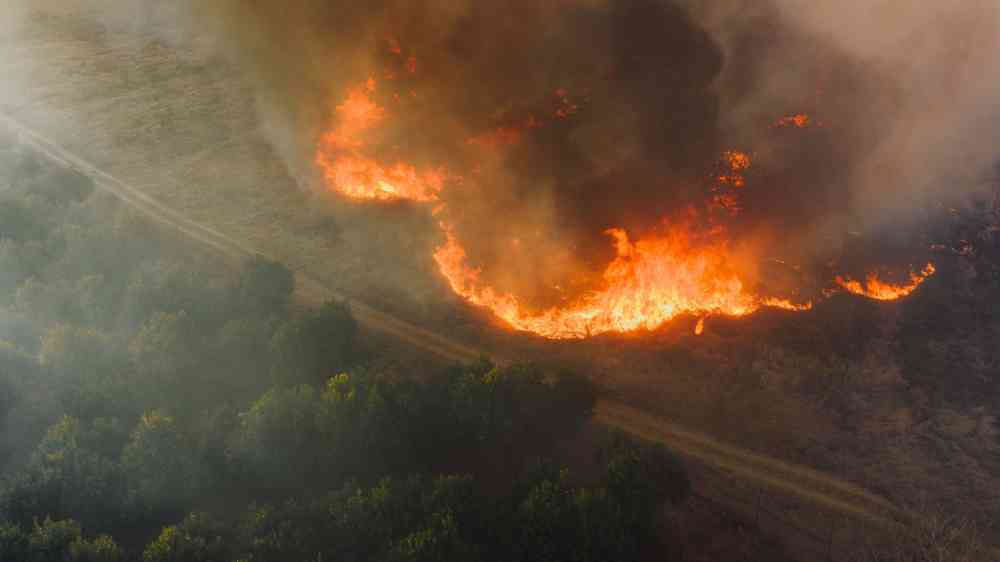
Aerial shot of a wildfire raging through a forest in Mpumalanga, South Africa.
Update
Extreme weather is creating a perfect storm of misinformation

Rumors and conspiracies are spreading too fast for emergency managers to keep up. This information chaos is slowing disaster relief and putting lives at risk.

Grist Magazine
A Toolkit for  Climate Hazard  Reporting and  Community  Resilience thumbnail
Documents and publications

This toolkit provides practical guidance for journalists reporting on climate hazards, highlighting how preparedness, trusted information and community-centered coverage can support disaster risk reduction and resilience.

European Journalism Centre
Update
UK: People react to ‘severe alert’ on phones over wildfires

This article reports public reactions to a UK emergency phone alert on wildfire risk, highlighting concerns over alert fatigue, unclear guidance and the need for effective crisis communication.

Guardian, the (UK)
Firefighter combating a wildfire
Update
Wildfires, naming and blame: Why ignition tells only part of the story

Most wildfires started by humans are still being called "wild", placing the fire outside human society. It implies there was no spark – and certainly no humans, and fails to widen the cause to include climate change, calling for new naming conventions.

Conversation Media Group, the
Wildfire myths debunked
Update
Wildfires: five myths debunked

Wildfire misinformation spreads fastest in the hours right after a fire breaks out — checking a claim against a credible source before sharing it is the simplest way to slow it down.

United Nations Office for Disaster Risk Reduction (UNDRR)
Update
Europe: Wildfire media coverage doesn't make the climate connection

The issue is how to avoid readers assuming that a fire is the whole story, when the event is, just the moment at which a long process becomes attention grabbing. When reporting stops there, it is accurate about the day but misleading about the decade.

Conversation Media Group, the
A Summer of Extreme Lies: Heatwave and WildfireClimate Disinformation in 2026 thumbnail
Documents and publications

This report examines climate disinformation during 2026 heatwaves and wildfires, showing how recurring false narratives on social media undermined public understanding of extreme weather risks.

Climate Action Against Disinformation (CAAD)
Update
Canada: Leaders of First Nations received no wildfire alert

Chiefs in Ontario say they were left to self-evacuate before homes burned to ground, after being told there was no imminent threat.

Guardian, the (UK)
Uploaded on