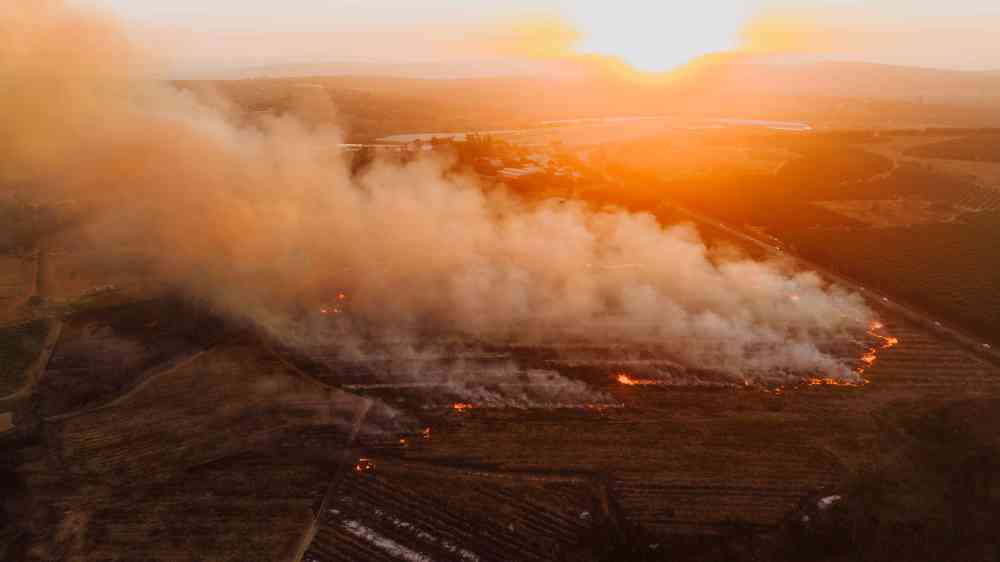
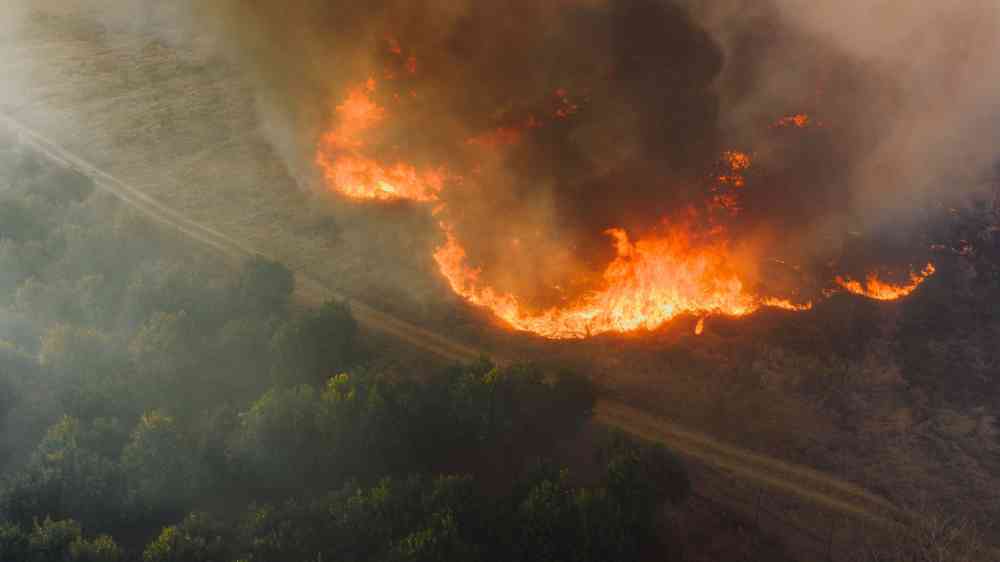
A 20-year study found that global exposure to wildfires and heat waves occurring on the same days rose by 287 million from 2000 to 2019, with over half the world’s population experiencing these combined events.
New modelling suggests the tropical Pacific could stay in an El Niño-like state for centuries even after net zero is reached, with a larger share of El Niño events turning extreme. The longer emissions take to fall, the more of them.
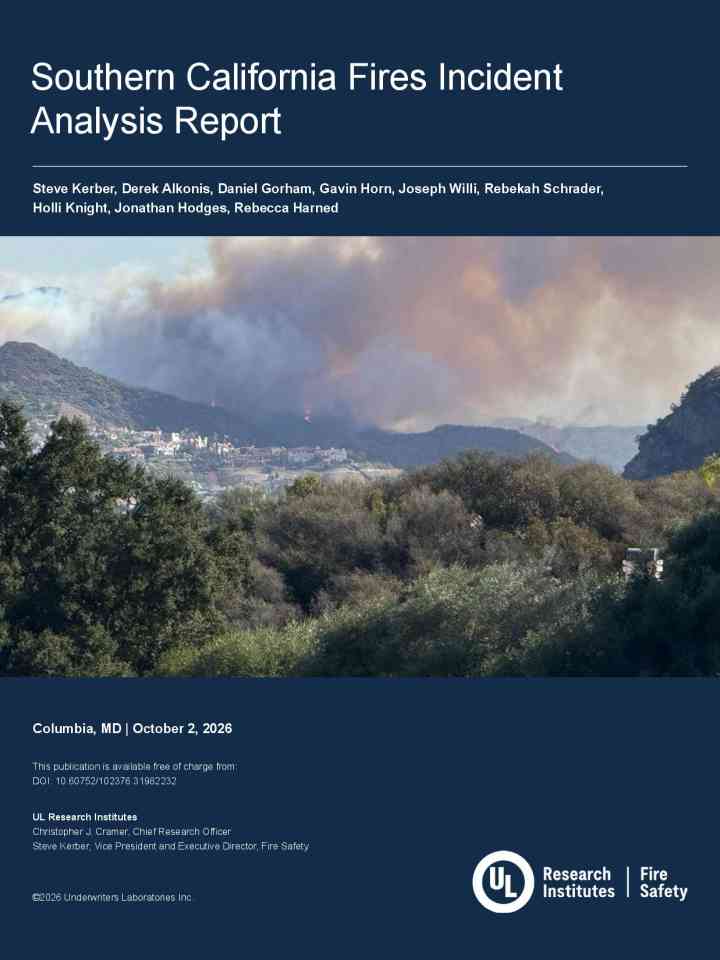
This report examines the conditions, decisions, actions, and systems that influenced Southern California Fires and community conflagration outcomes before and during the fires.
A roving crew installs cameras on California’s highest, craggiest ridgelines to catch wildfires early. Since 2023 artificial intelligence has scanned the network’s footage, and it now spots 51 per cent of the state’s wildfires first.
Federal agencies in the United States already use drones to map wildfires and detect hotspots. The Forest Service is now testing ground robots, and researchers are training machine-learning models on drone imagery to predict how fast a fire will spread.
Firefighter and researcher Marc Castellnou sends weather balloons into towering wildfire plumes to measure temperature, wind and humidity, opening a new way to anticipate when a fire turns extreme – and why some keep burning fiercely at night.
2026/27 El Niño could amplify existing vulnerabilities in commodities, energy and logistics. Organizations that combine scenarios and make shared dependencies visible can act sooner and better protect their strategy, business model and financial position.
Forest expansion and thickening after British colonization has created landscapes more prone to burning, amplifying the influence of climate change and propelling Australia’s bushfire crisis, a new study has found.