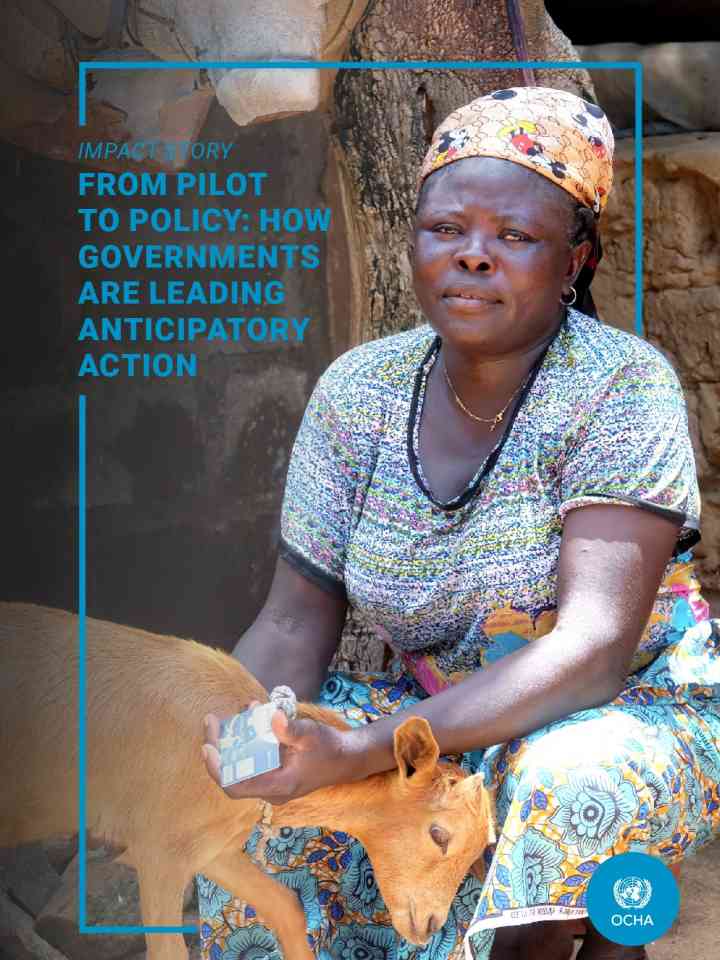
From pilot to policy: How governments are leading anticipatory action
This article highlights the growing shift toward anticipatory action in humanitarian response, where governments and partners act on forecasts before climate disasters strike rather than responding afterward. Using the example of Nigeria’s 2025 flood anticipatory action framework, it shows how early interventions helped protect homes, livelihoods and community dignity. As climate shocks become more frequent and overlapping across countries such as Cuba, Mozambique and the Philippines, anticipatory action—supported by OCHA and CERF financing—demonstrates that acting in the window between warning and impact can save lives and reduce losses. Increasingly, governments themselves are leading these efforts, integrating early action into national systems and strengthening resilience to future climate hazards.
Explore further