
Items: 21
In the Arctic, permafrost plays a crucial role in building infrastructure. However, as the region warms and permafrost thaws, infrastructure is threatened as the ground shifts beneath the built environment.
Florida is likely to be the canary in the coal mine, showing a drop in coastal home values starting now.
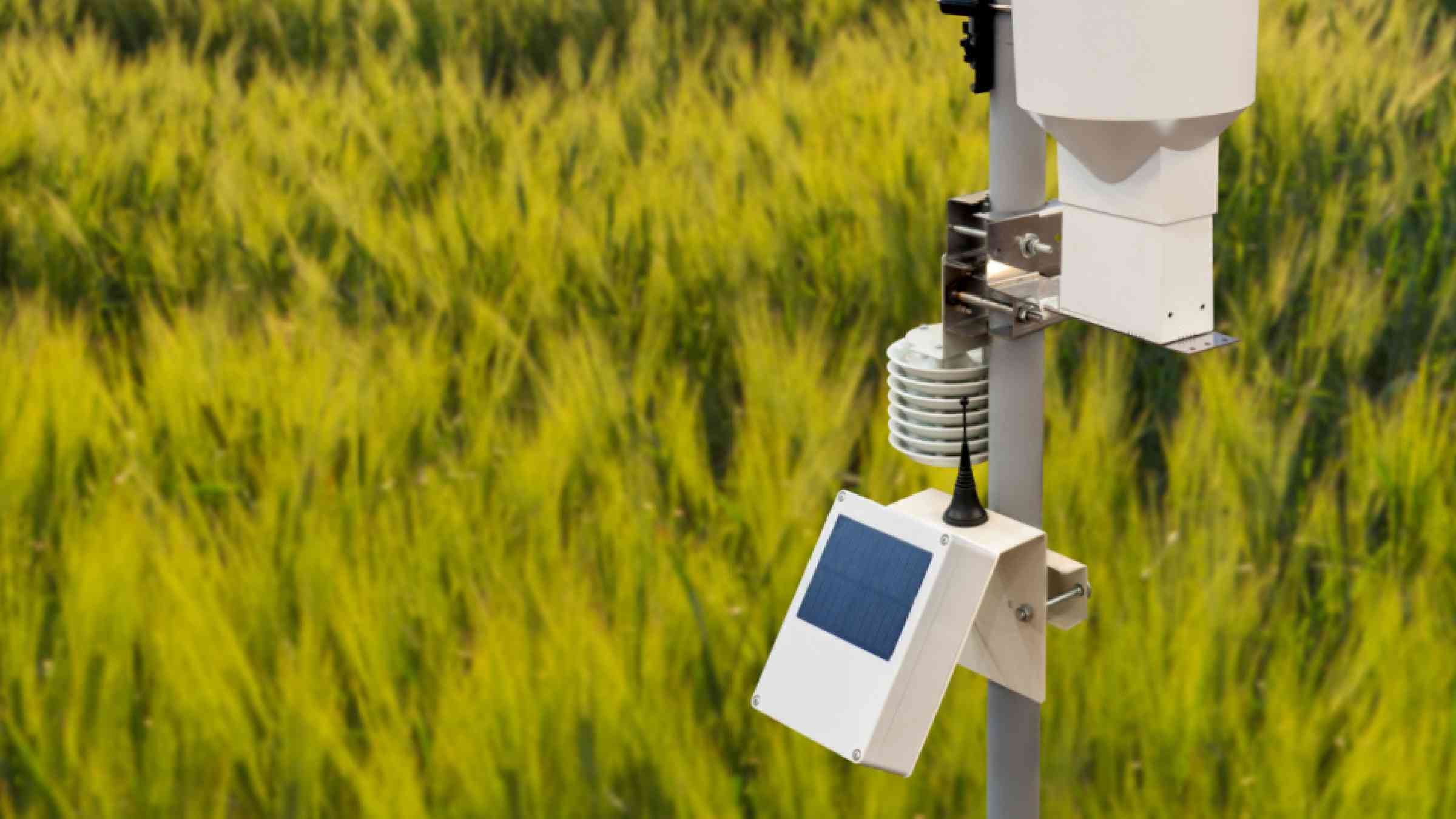
UConn researchers has found a way to drastically cut the lag time for these assessments using remote sensing data and machine learning, bringing disturbance assessment closer to near real-time (NRT) monitoring.
Researchers used chemicals from preserved plant matter to pinpoint the processes responsible for changes in past rainfall and drought in southwestern Africa, with implications for the future.

This study shows a warmer climate with similar conditions to the middle Pliocene brings with it potential for more intense monsoons. The research indicates that higher temperatures could cause stronger and more widespread summer rainfall in southwest USA.
The sea level is rising, and the clock is ticking in the effort to make Connecticut's coastline more resilient in the face of climate change
Adapt CT offers guidance on matters ranging from beach erosion to the flooding of coastal highways.
Wei Zhang used GIS and statistical data to construct a novel model of tsunami damage in Fairfield, CT. The model can easily transfer to other storm types and communities.
Voluntary Commitments
The organization has no registered commitments.
The Sendai Framework Voluntary Commitments (SFVC) online platform allows stakeholders to inform the public about their work on DRR. The SFVC online platform is a useful toolto know who is doing what and where for the implementation of the Sendai Framework, which could foster potential collaboration among stakeholders. All stakeholders (private sector, civil society organizations, academia, media, local governments, etc.) working on DRR can submit their commitments and report on their progress and deliverables.