Items: 33
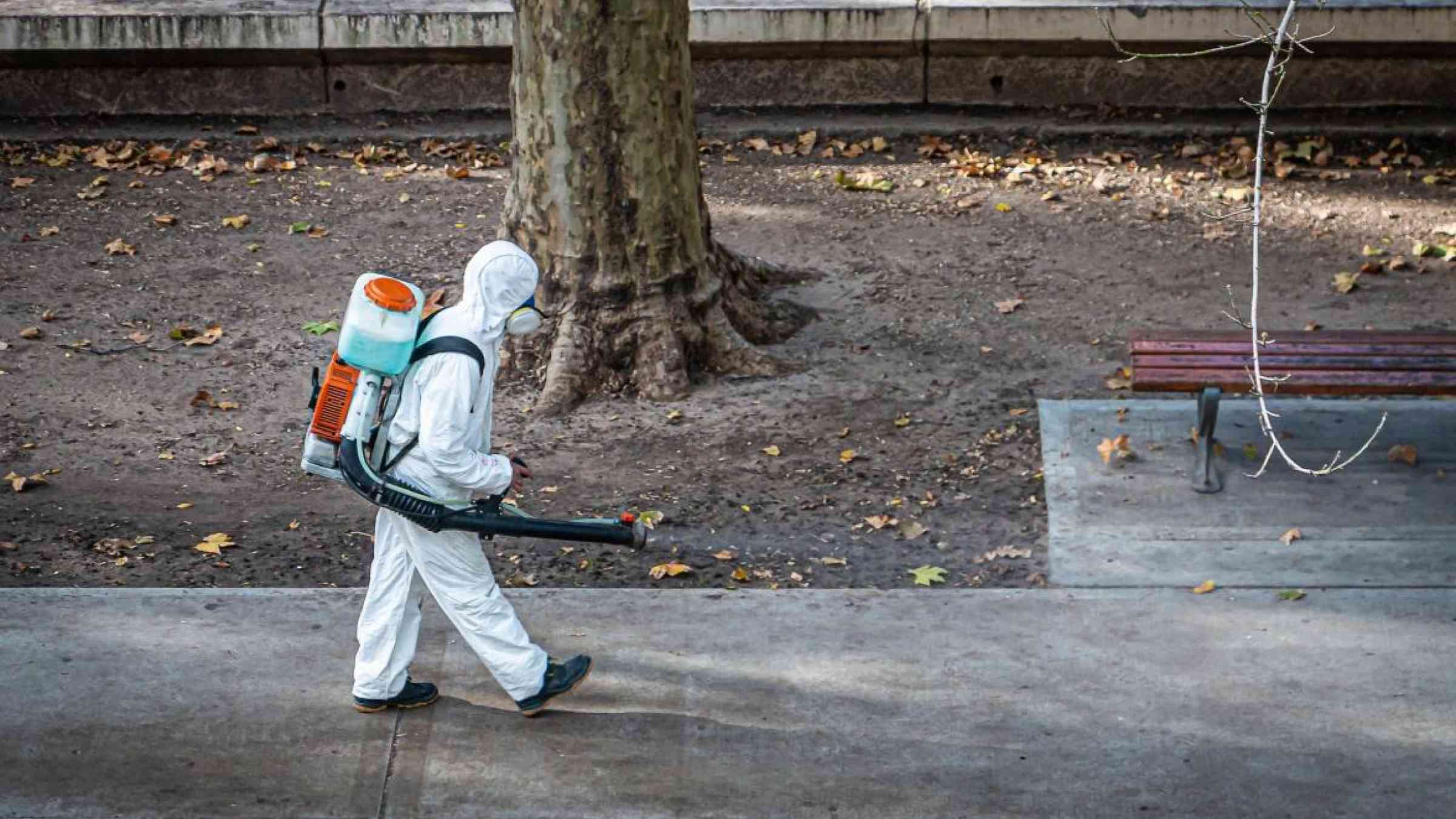
Leaders will evaluate lessons learned from the initial Covid-19 lockdown phase. What have we learned and consider? Mami Mizutori and Kevin Ingram share their thoughts.
AI’s ability to quickly and intelligently analyze large datasets makes it an invaluable resource during times of disaster.
Infrastructure is designed to optimize connectivity, making it easier for coronavirus to spread. Infrastructure innovation must be prioritised for pandemic resilience.
Conservationist and health worker in Uganda, Dr. Gladys Kalema-Zikusoka, advocates for the well-being of both people and animals and advices on tackling Covid-19.
GIS improves rapid response to natural disasters by providing spatial awareness to support governments, integrating various sources, and increasing public education.
New paper looks at the relative contributions of urban development and climate change on flooding in Houston, and finds development to be far more influential.
The building industry has not evolved rapidly enough to cope with the increasing natural disasters. Alternative materials can be used for disaster resistance.
U.S. index funds and the investors who own them face a major risk from climate change, in part because any mispriced risk or systemic failure can derail the investments.
Voluntary Commitments
The organization has no registered commitments.
The Sendai Framework Voluntary Commitments (SFVC) online platform allows stakeholders to inform the public about their work on DRR. The SFVC online platform is a useful toolto know who is doing what and where for the implementation of the Sendai Framework, which could foster potential collaboration among stakeholders. All stakeholders (private sector, civil society organizations, academia, media, local governments, etc.) working on DRR can submit their commitments and report on their progress and deliverables.