1. Home
  2. Knowledge Base | PreventionWeb
  3. Themes

Science-policy-practice interface

This theme addresses how science can contribute to disaster risk reduction, including approaches and initiatives to bring scientific and technical knowledge into practice and policy, approaches for multidisciplinary engagement, good practice in scientific and technical aspects of DRR, and citizen science.

Latest Science-policy-practice interface additions in the Knowledge Base

Uploaded on
Case study
Location: Chile
Technical experts at Chile’s National Forestry Agency, have been documenting avoided loses due to wildfires since 2014-2015. Their goal is to use these analyses to facilitate the assessment of prevention and response actions and improve future policies.
  • Disasters avoided
Case study
Location: Kenya
This study investigates the catalytic role of low-tech participatory methods in enhancing climate resilience at the local level, using Mathare Informal Settlement in Nairobi, Kenya, as a case study.
  • Global Disaster Preparedness Center (GDPC)
Update

Behind the long-term climate projections that affect our lives sits one of the most remarkable scientific achievements of the modern era: climate models that run on supercomputers.

Conversation Media Group, the
Illustration AI & DRR concept
Op Ed

Kamal Kishore reflects on the future of disaster risk reduction – a future challenged by growing complexity, but made navigable by new AI-enabled capabilities. We must make the right choices now so that we use AI not only to do more, but to do better.

United Nations Office for Disaster Risk Reduction (UNDRR)
Early warning in Indonesia
Update

Climate technology is central to adaptation – allowing communities to, for example, predict and prepare for floods and droughts. A UN-led initiative is showing how much of a difference this can make to people’s lives.

United Nations Environment Programme (UNEP)
Update

Today, as Guatemala reflects on the 50th anniversary of that defining moment, we honor not only the memory of those affected but the enduring spirit of a country that is beautiful, megadiverse, and full of life.

Connecting Business initiative
Flags aligned at the European commission
Update

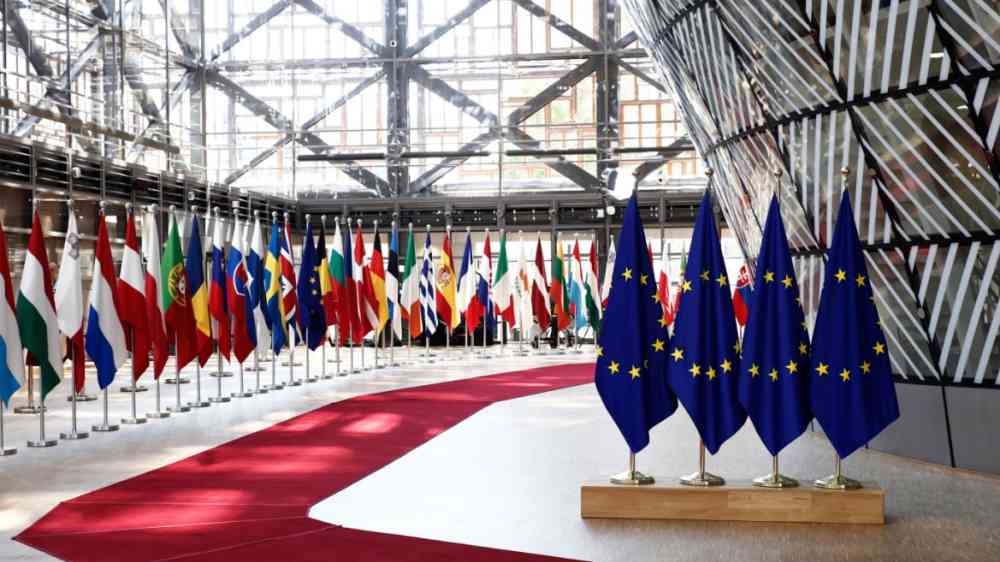
The EU Mission on Adaptation to Climate Change has launched a new Mission portal, providing a rich source of information and practical tools for regions, local authorities and communities to understand climate risks.

European Commission
Update

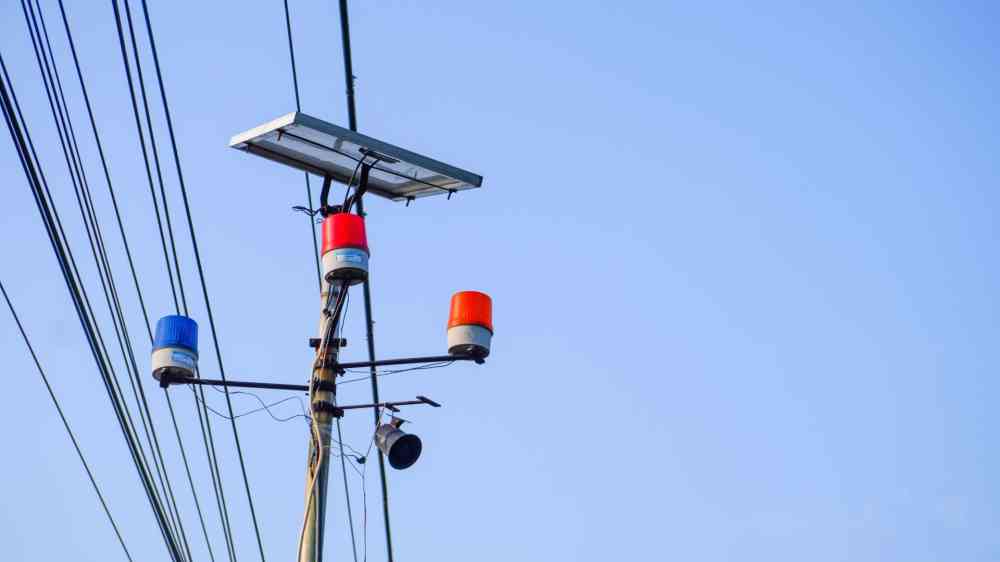
A powerline fault detection system invented at RMIT is being rolled out globally thanks to AUD $50 million in new funding.

Royal Melbourne Institute of Technology (RMIT)
Uploaded on