1. Home
  2. Knowledge Base | PreventionWeb
  3. Themes

Health and health facilities

Capacity of health systems to anticipate, mitigate and manage situations arising from natural and man-made hazards, including biological hazards.
Across Jordan, Iraq, and Lebanon, a joint UN programme is already delivering results by strengthening migrant-inclusive health systems through a single, coordinated approach.

Latest Health & health facilities additions in the Knowledge Base

Uploaded on
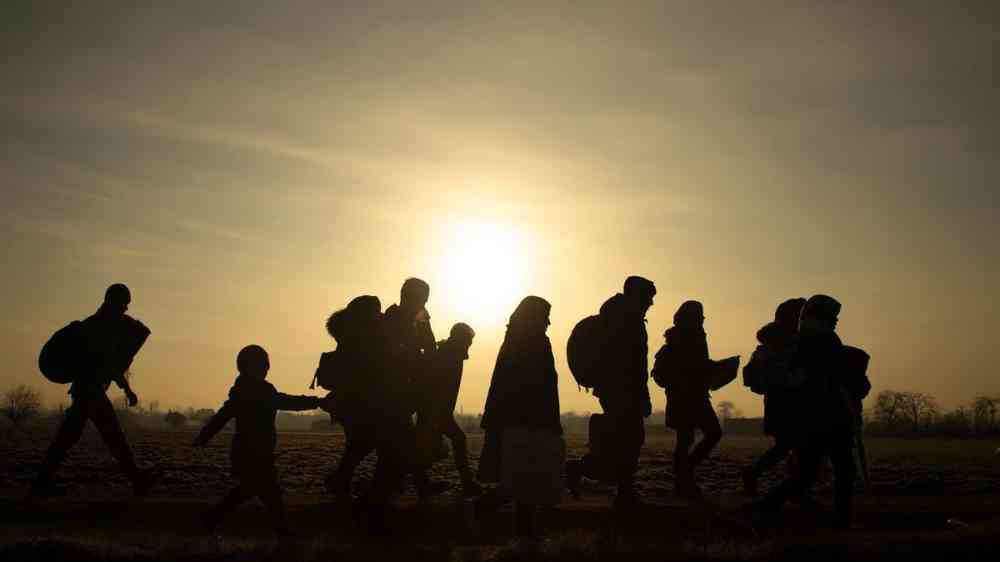
Migrants walk towards Türkiye’s Pazarkule border crossing with Greece’s Kastanies, Edirne, Türkiye
Update

Climate change, migration and health are tightly connected: climate impacts shape mobility, and both moving and being unable to move create physical and mental health risks.

United Nations University - Institute for Environment and Human Security (UNU-EHS)
Adverse weather and health plan thumbnail
Policies and plans
Policy type
National policies and plans

The Adverse Weather and Health Plan aims to protect individuals and communities from the health effects of adverse weather and to build community resilience.

UK Health Security Agency
Local men are having a rest at the old building walls during the hot summer day in Medinine, central Tunisia.
Update

A report on the impact of rising temperatures on mortality underscores the need for targeted investments to help people and communities save lives.

Institute for Climate and Sustainable Growth, University of Chicago
 Human health: Measuring the impact of rising temperatures on mortality to target adaptation planning thumbnail
Documents and publications

This report identifies the regions around the world where climate adaptation offers the greatest opportunity to save the most lives, based on the Climate Impact Lab’s projections of temperature related mortality in 2050.

Climate Impact Lab
Women from Kampung Braga in Bandung, Indonesia, perform a disaster preparedness simulation
Update

To support countries prepare more systematically against emergencies, WHO has recently released new global guidance which enables countries to move beyond one-off emergency drills and establish National Health Simulation Exercise Programmes (NHSEP).

World Health Organization (WHO)
Research briefs

Research highlights an often overlooked cost of cold weather: months with lower temperatures see significantly greater rates of death from heart attacks, strokes, and coronary artery disease than milder months.

American college of cardiology (ACC)
Depressed woman sitting against on sofa at home, mental health
Update

Research has long suggested that temperature can affect mental health. That’s because extreme temperatures can stress the body, triggering biological changes such as systemic inflammation. Can this cause depressive symptoms, too?

University of Denver
Raising Awareness of 23 Avoidable Deaths Booklet thumbnail
Documents and publications

This publication synthesises evidence on twenty‑three major causes of mortality that are predictable, preventable, and treatable across low‑ and middle‑income countries (LMIC).

Avoidable Deaths Network
Uploaded on