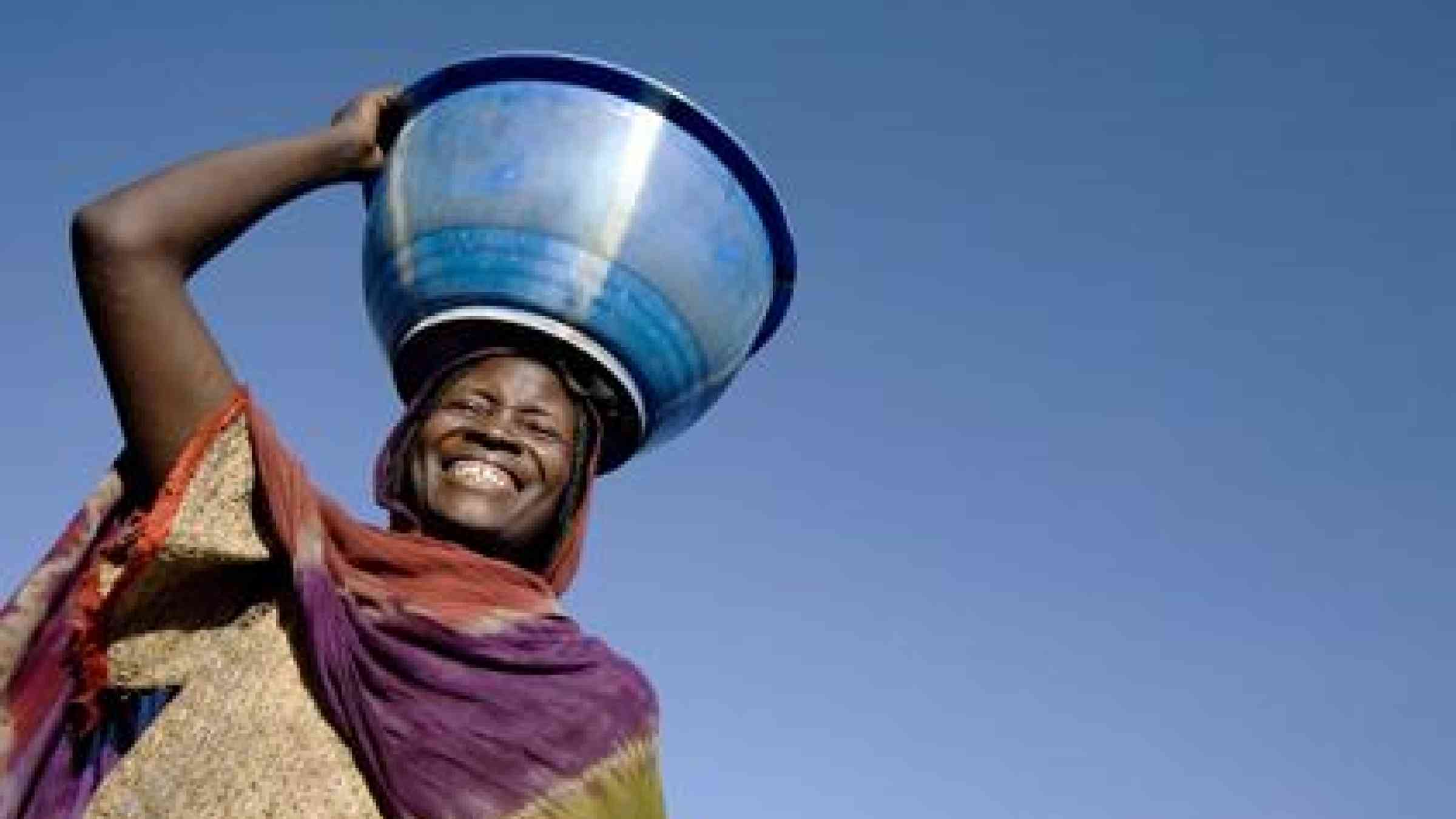
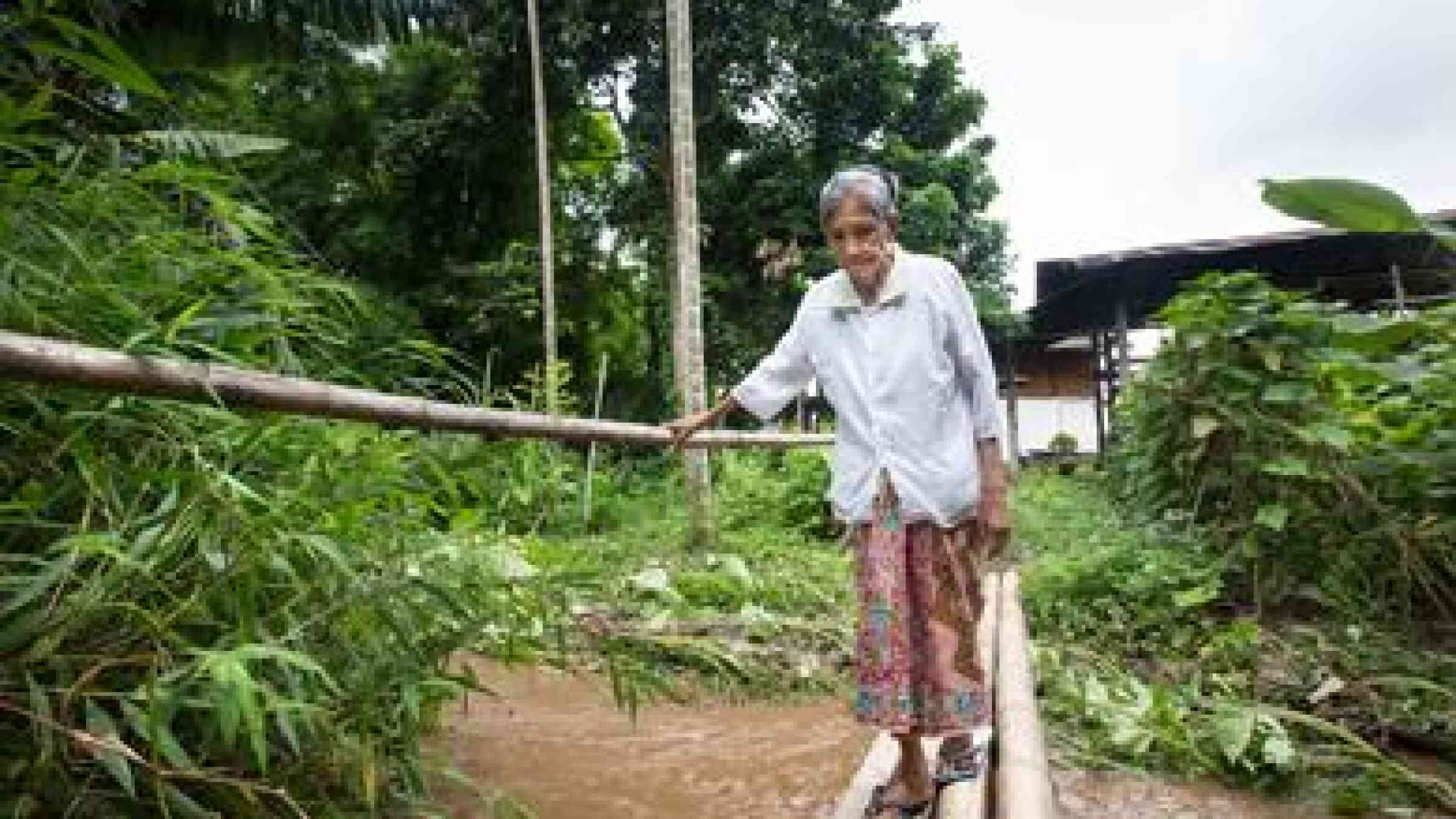
Ensuring an all-of-society engagement and partnership for DRR through empowerment and inclusive, accessible and non-discriminatory participation, paying special attention to people disproportionately affected by disasters, especially the poorest.
Here are five ways countries ensure persons with disabilities are not left behind when the next disaster strikes.
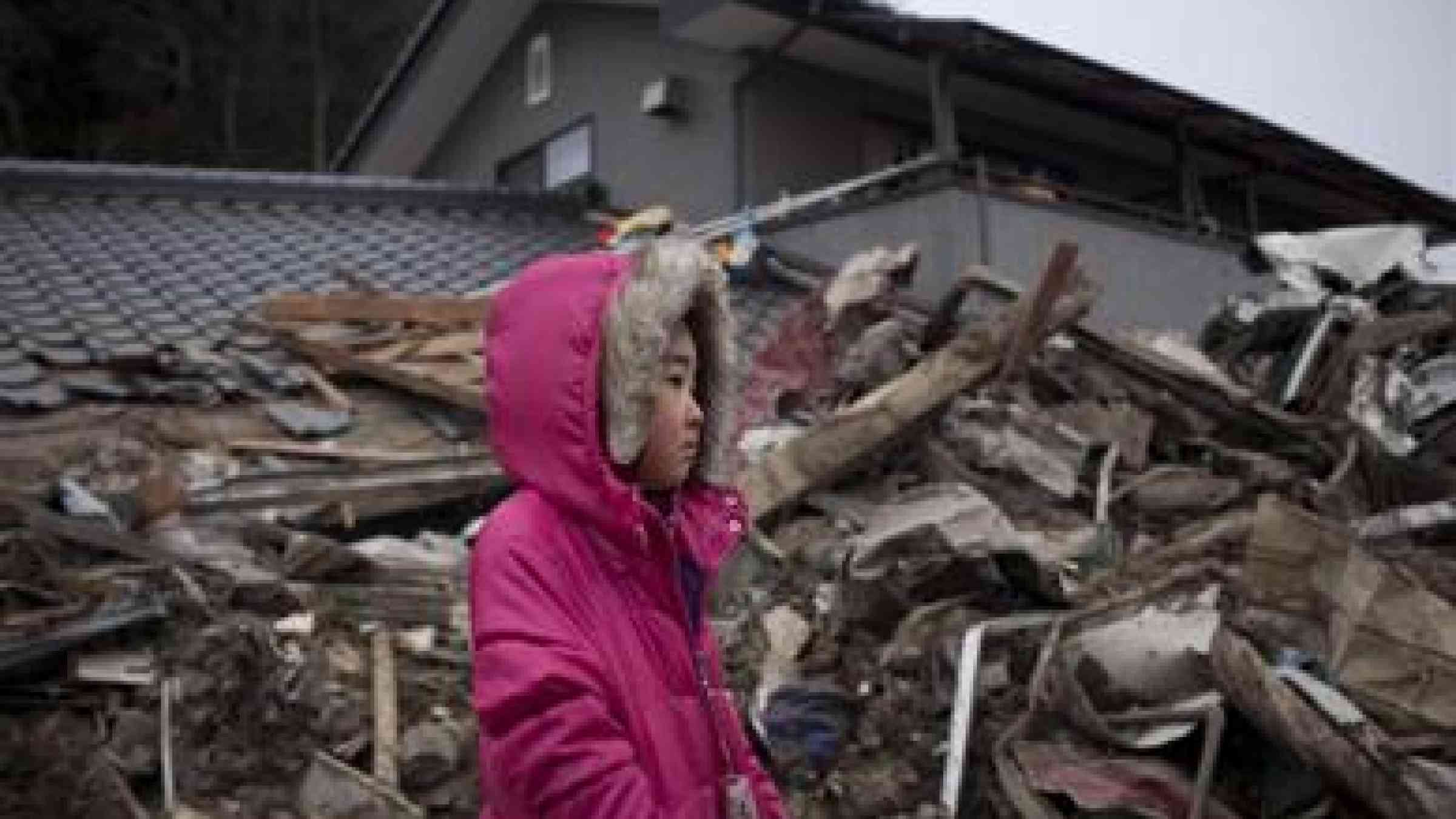
The Internal Displacement Monitoring Centre (IDMC), part of the Norwegian Refugee Council, called on governments meeting in Sendai, Japan, later this week to tackle displacement as part of a new global plan to reduce disaster risk worldwide. ...'The world has a unique opportunity at Sendai to prevent millions of people from losing their homes by more robustly linking displacement risk with disaster risk reduction plans,' said IDMC director Alfredo Zamudio...
Experts want gender to feature strongly in the final text of the post-2015 framework for disaster risk reduction, due to adopted at the looming Third UN World Conference on Disaster Risk Reduction.
United Nations Office for Disaster Risk Reduction (UNDRR)
United Nations Office for Disaster Risk Reduction - Regional Office for Africa
With [the] likely tripling of the number of children affected by disasters in the coming decades, something needs to change. The new Disaster Risk Reduction (DRR) framework needs to deliver, not only for the children and young people of today, but for the millions who will inherit a world that will see increased disasters and more severe climate...
This paper is written in anticipation of the impact of the post-2015 disaster risk reduction framework (HFA2) on the future of disaster risk reduction (DRR) over the next 10 years and understanding that elements of housing and land are critical components
This report provides a country-by-country analysis of the disaster risks faced by older people in 190 countries, based on three dimensions: hazard and exposure, vulnerability and lack of coping capacity. It helps to measure and assess countries’ progress
This week, HelpAge International is launching the first Disaster Risk and Age Index, ranking 190 countries across the world on the disaster risk faced by older people, at the Third UN World Conference on Disaster Risk Reduction in Sendai. Overall, those in Somalia, Central African Republic and Afghanistan face the highest risk, due in part to ongoing conflict coupled with the lack of service provision for older men and women...
According to Roger Yates, Humanitarian Director for Plan International: “One way to prepare communities for a disaster is through young people. It is imperative children are prepared and know what to do in the face of disaster, as they can then pass on the message to their community...
'There has been considerable progress in overall recovery from the devastation,” said Tadateru Konoe, President of the Japanese Red Cross (JRCS)..., “however, there have been critical delays in rebuilding communities back and particular attention must be given to the needs of many elderly and other vulnerable people who have been unable to get back on their feet. The Red Cross will continue to support them.'...