1. Home
  2. Knowledge Base | PreventionWeb
  3. Themes

Inclusion

Ensuring an all-of-society engagement and partnership for DRR through empowerment and inclusive, accessible and non-discriminatory participation, paying special attention to people disproportionately affected by disasters, especially the poorest.
Here are five ways countries ensure persons with disabilities are not left behind when the next disaster strikes.

Latest Inclusion additions in the Knowledge Base

Uploaded on
Update

The first instinct of urban leaders is often to harden their cities through engineering and infrastructure. But just as the temperature of a heat wave or the height of a storm surge, it is the strength of a neighborhood that determines who lives and dies in a disaster. Building against climate change can either support vibrant neighborhood conditions or undermine them.

Wired, Condé Nast Digital
Photo by Malteser International
Update

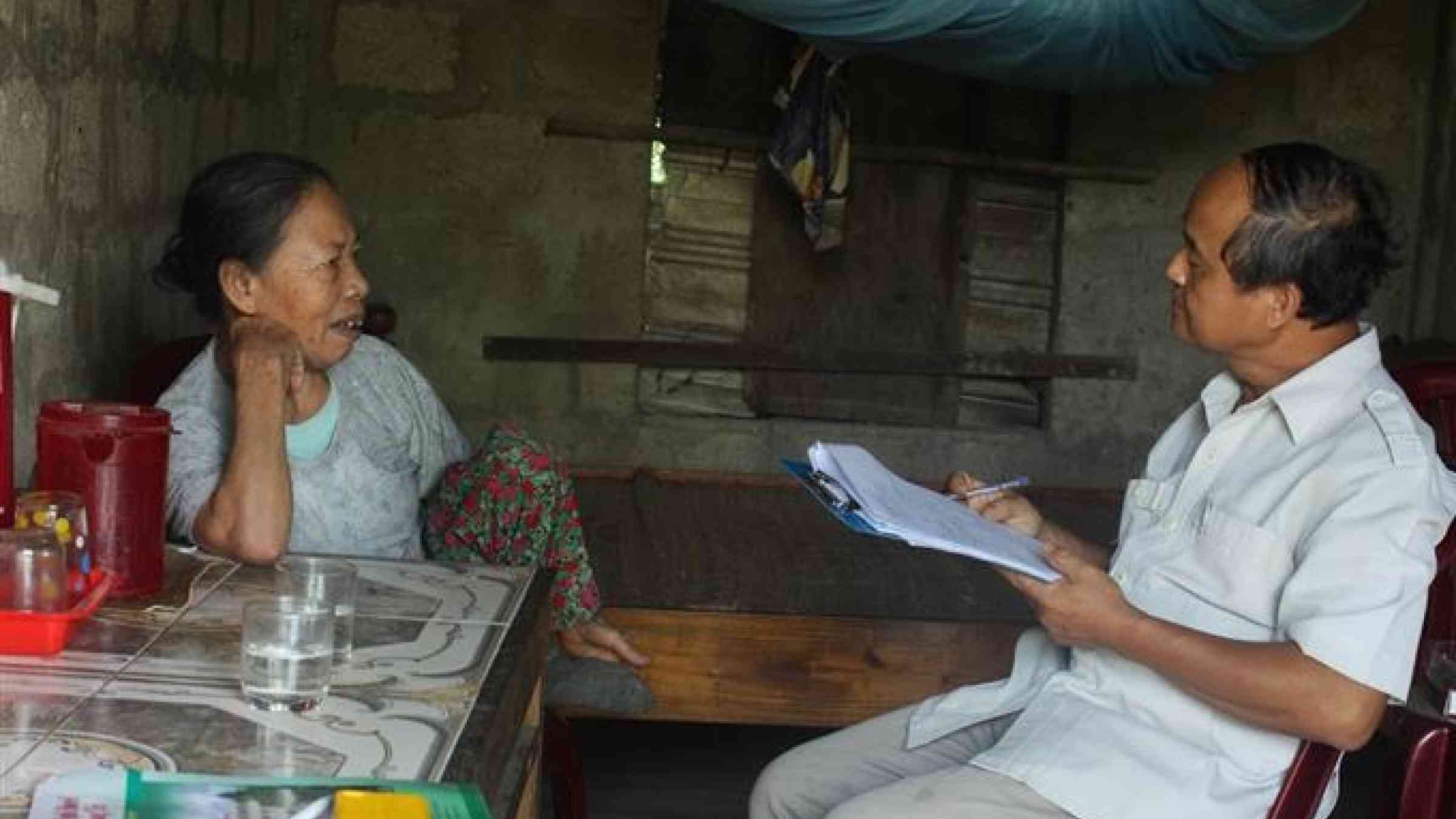
As part of the project “Widening the participation of people with disabilities in community-based disaster risk management (CBDRM)”, a survey was carried out in four rural communes in Vietnam to assess the knowledge, attitude and practice (KAP) of local people regarding CBDRM. The four communes are all located in flood-prone areas and frequently affected by disasters.

Malteser International
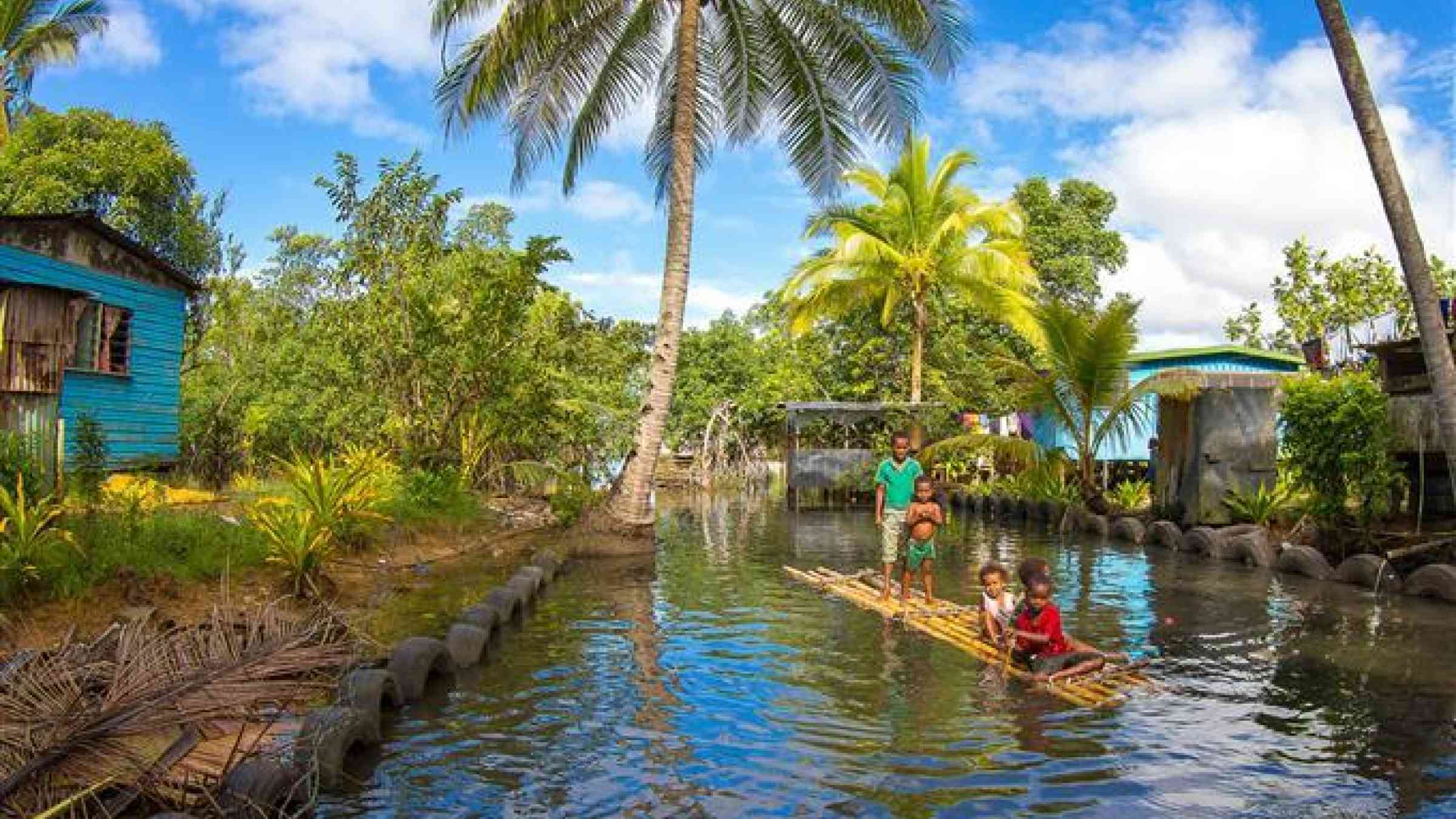
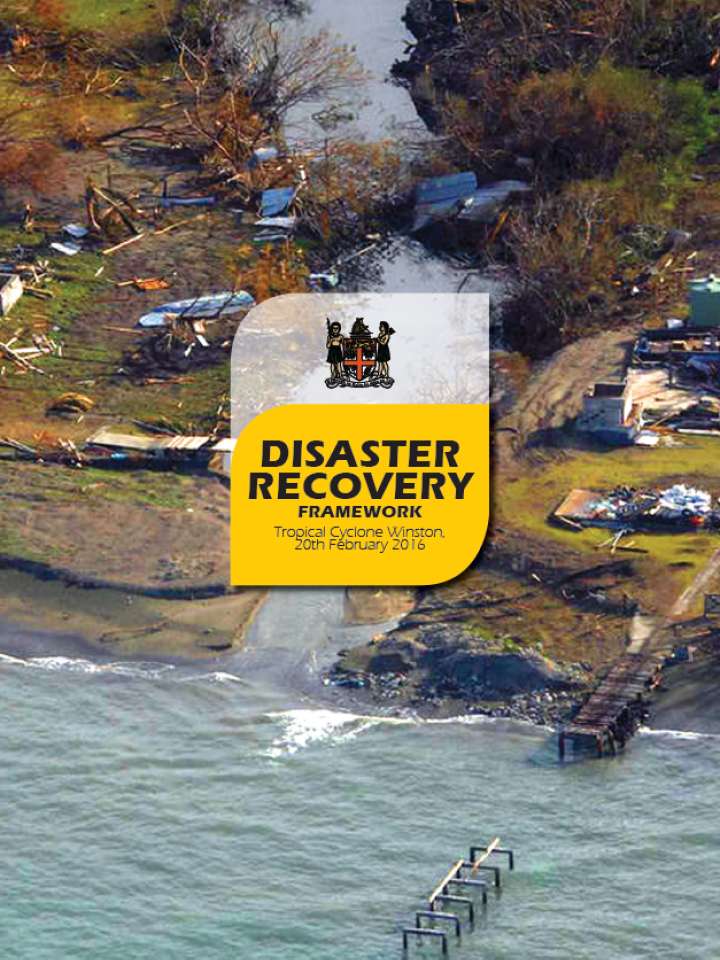
Fiji Tropical Cyclone Winston Disaster Recovery Framework 2016
Documents and publications

This DRF guides the planning and implementation of recovery programmes and projects, providing overall direction to the government, the private sector, development partners, civil society and communities.

Fiji - government
World Bank, the
United Nations - Headquarters
European Union
Asian Development Bank (ADB)
Secretariat of the Pacific Community
Documents and publications

This publication stresses the importance of involving migrants, asylum seekers and refugees, and the organisations that represent them, in counter-disaster programming in Europe. The recommendations seek to improve communication, foster mutual

Council of Europe (COE)
Update

By 2030, without efforts to boost urban resilience, climate change may push up to 77 million urban residents into poverty. The good news is that the world has a brief window of opportunity to make cities more resilient to climate change, natural disasters, and other stresses, as almost 60% of the urban area that will be built by 2030 is yet to be developed.

World Bank, the
Documents and publications

This policy brief looks at climate-related migration from the disability perspective to understand the unique characteristics of people with disabilities (PWDs), as well as factors that need to be taken into account to address the vulnerability and needs

International Organization for Migration (IOM)
Photo by Flickr user Nick Hobgood CC BY-NC 2.0 https://flic.kr/p/shYjaS
Update

Small-island developing states are inherently vulnerable to climate impacts. They tend to be low lying with high population densities, have economies concentrated on the coast, produce weather-dependent exports, and rely on fuel imports. But they are more than just the frontlines of climate change – they are hubs for adaptation, their isolation encouraging innovation.

New Security Beat
Update

Hundreds of people, including many survivors of the 2004 Asian Tsunami, participated in Indonesia’s first disaster risk reduction (DRR) simulation for people with disabilities in Aceh province with the support of IOM. Participants helped injured “victims”, including roughly 150 people with disabilities, reach safety in a wheelchair accessible, three-storey safe house.

International Organization for Migration (IOM)
Uploaded on