1. Home
  2. Knowledge Base | PreventionWeb
  3. Themes

Inclusion

Ensuring an all-of-society engagement and partnership for DRR through empowerment and inclusive, accessible and non-discriminatory participation, paying special attention to people disproportionately affected by disasters, especially the poorest.
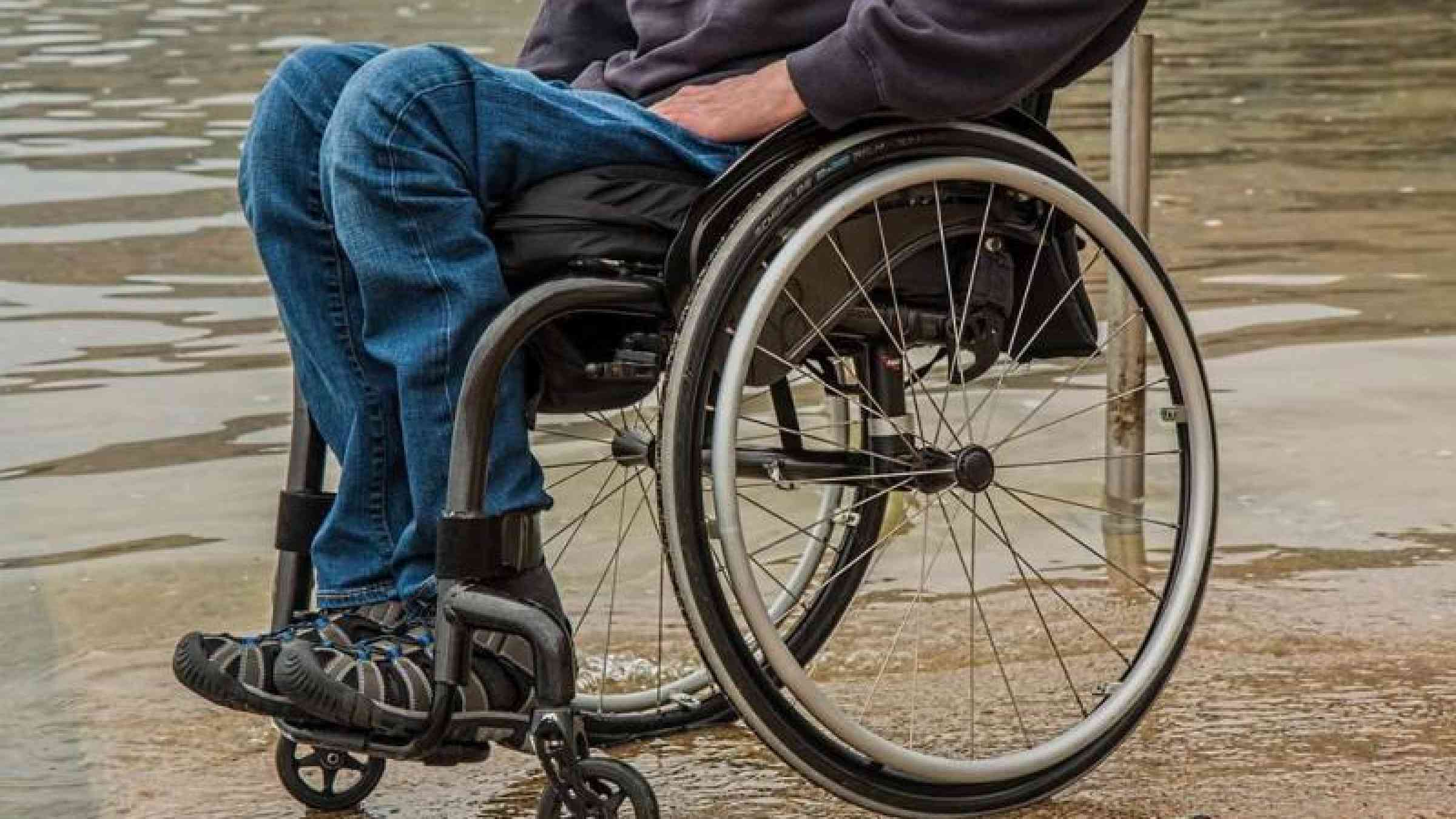
Here are five ways countries ensure persons with disabilities are not left behind when the next disaster strikes.

Latest Inclusion additions in the Knowledge Base

Uploaded on
Documents and publications

This document presents Oxfam's pilot project to combine Pre-Crisis Market Analysis (PCMA) – a typically humanitarian approach – with an approach more associated with development, Vulnerability and Risk Assessment methodology (VRA) to understand where

Oxfam International Secretariat
Documents and publications

This document discusses the lack of disaster preparedness information specifically addressing the needs of the morbid obesity during disasters. While a small number of toolkits and training resources were found, there remains a paucity of research in

Multidisciplinary Digital Publishing Institute
Update

The Sendai Framework recognizes the high impact of disasters on vulnerable persons and encourages contributions from high-risk populations as stakeholders. This was the focus of a moderated interactive workshop hosted by the International Federation of Red Cross and Red Crescent Societies (IFRC) at the Fifth Regional Platform for Disaster Risk Reduction in the Americas (RP17).

International Federation of Red Cross and Red Crescent Societies (IFRC)
Update

Ensuring the safety of foreign visitors was the focus of a disaster preparedness drill in Tokyo's Asakusa district March 8 ahead of the sixth anniversary of the Great East Japan Earthquake and tsunami.

Asahi Shimbun Company, the
Update

International NGO Arbeiter-Samariter-Bund (ASB) is hosting a workshop to finalize the Disaster Risk Reduction Roadmap for the education system. This workshop will include the participation of government officials and NGO stakeholders. The workshop is a part of ASB's project, "We are ready! Disability Inclusive Disaster Risk Reduction for the Culture of Safety".

Arbeiter-Samariter-Bund Deutschland e.V.
Update

African-Americans and other highly vulnerable populations are place-bound; concentrated in disaster-prone areas without the resources to move out of harm’s way. Exposure to and the impacts of disasters are not equally distributed. Lessons from American history should inform the work of disaster planners who care about equity in disaster preparedness, response and recovery.

Center for Disaster Philanthropy
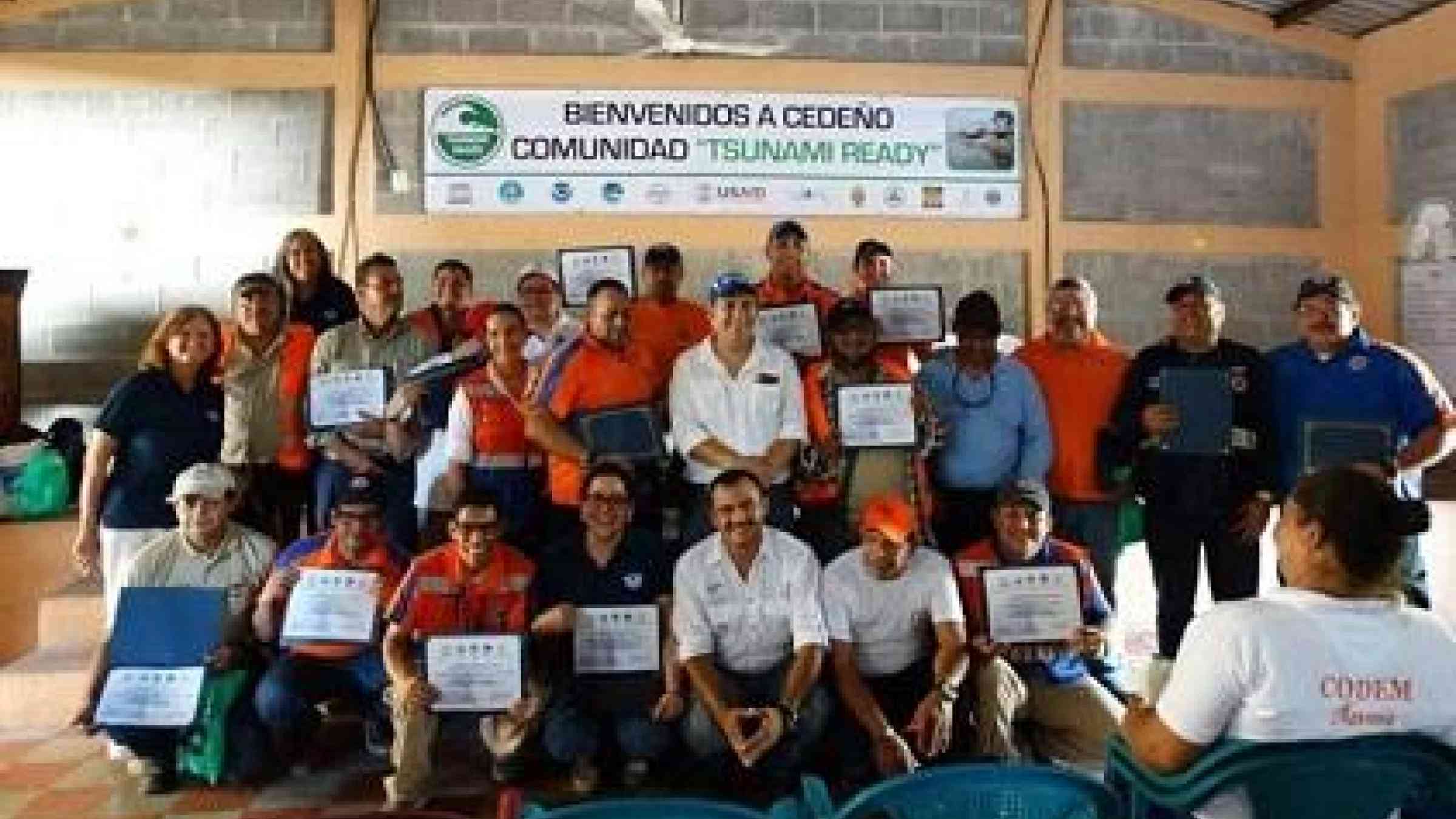
Recognising communities as "Tsunami Ready" is a powerful means to curb risk. Cedeño, a fishing town in Honduras, was honoured last week. (Photo: NOAA/CTWP)
Update

Deploying the power of technology worldwide and ensuring that communities know how to act in an emergency are the keys to curbing the risks posed by tsunamis, experts said this week.

United Nations Office for Disaster Risk Reduction (UNDRR)
Update

A Philippines Community Resilience Program uses an all-of-community approach to develop resilience in Typhoon Haiyan affected areas. The program also focuses on supporting the active contributions of persons with disabilities who have often been stigmatised and left behind, especially in disaster-related contexts.

Arbeiter-Samariter-Bund Deutschland e.V.
Uploaded on