1. Home
  2. Knowledge Base | PreventionWeb
  3. Themes

Inclusion

Ensuring an all-of-society engagement and partnership for DRR through empowerment and inclusive, accessible and non-discriminatory participation, paying special attention to people disproportionately affected by disasters, especially the poorest.
Here are five ways countries ensure persons with disabilities are not left behind when the next disaster strikes.

Latest Inclusion additions in the Knowledge Base

Uploaded on
Documents and publications

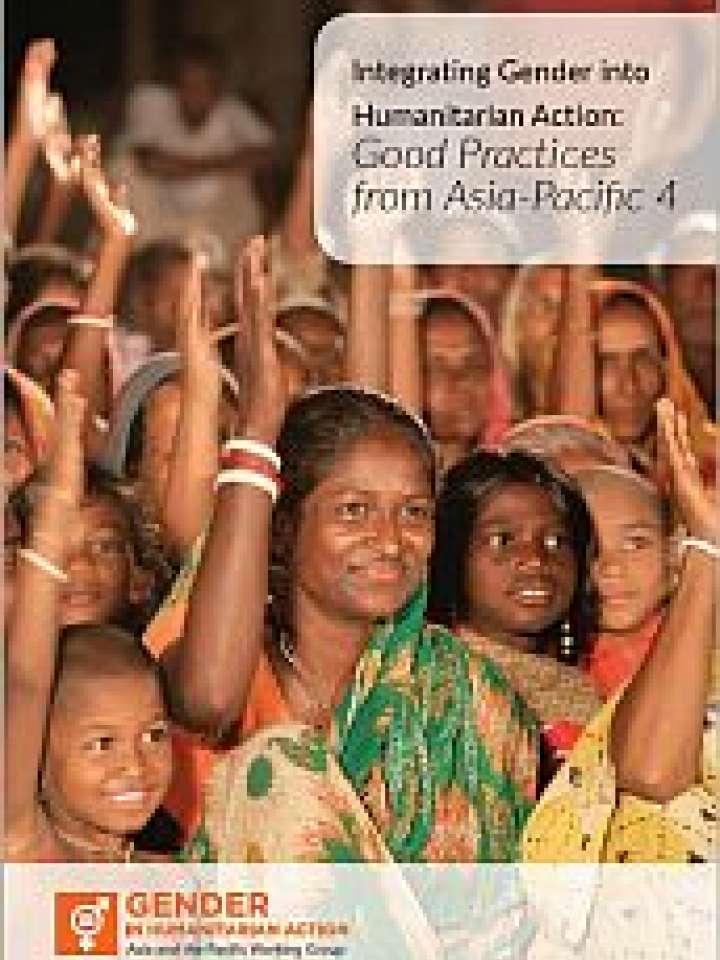
This is the fourth compilation of good practices on integrating gender into humanitarian action in Asia-Pacific, developed on behalf of the IASC Regional Network Working Group on Gender in Humanitarian Action in Asia-Pacific.

Women’s Leadership in

Asian Disaster Preparedness Center
United Nations Office for the Coordination of Humanitarian Affairs
United Nations Entity for Gender Equality and the Empowerment of Women (UN WOMEN)
Update

With a population of over 20 million people, the capital of the Philippines is highly exposed to a variety of natural hazards. In an effort to boost both the preparedness and the resilience of poor urban communities, the European Commission is funding an innovative pilot project in some of Manila’s slums, calling upon both local authorities and the private sector.

European Commission
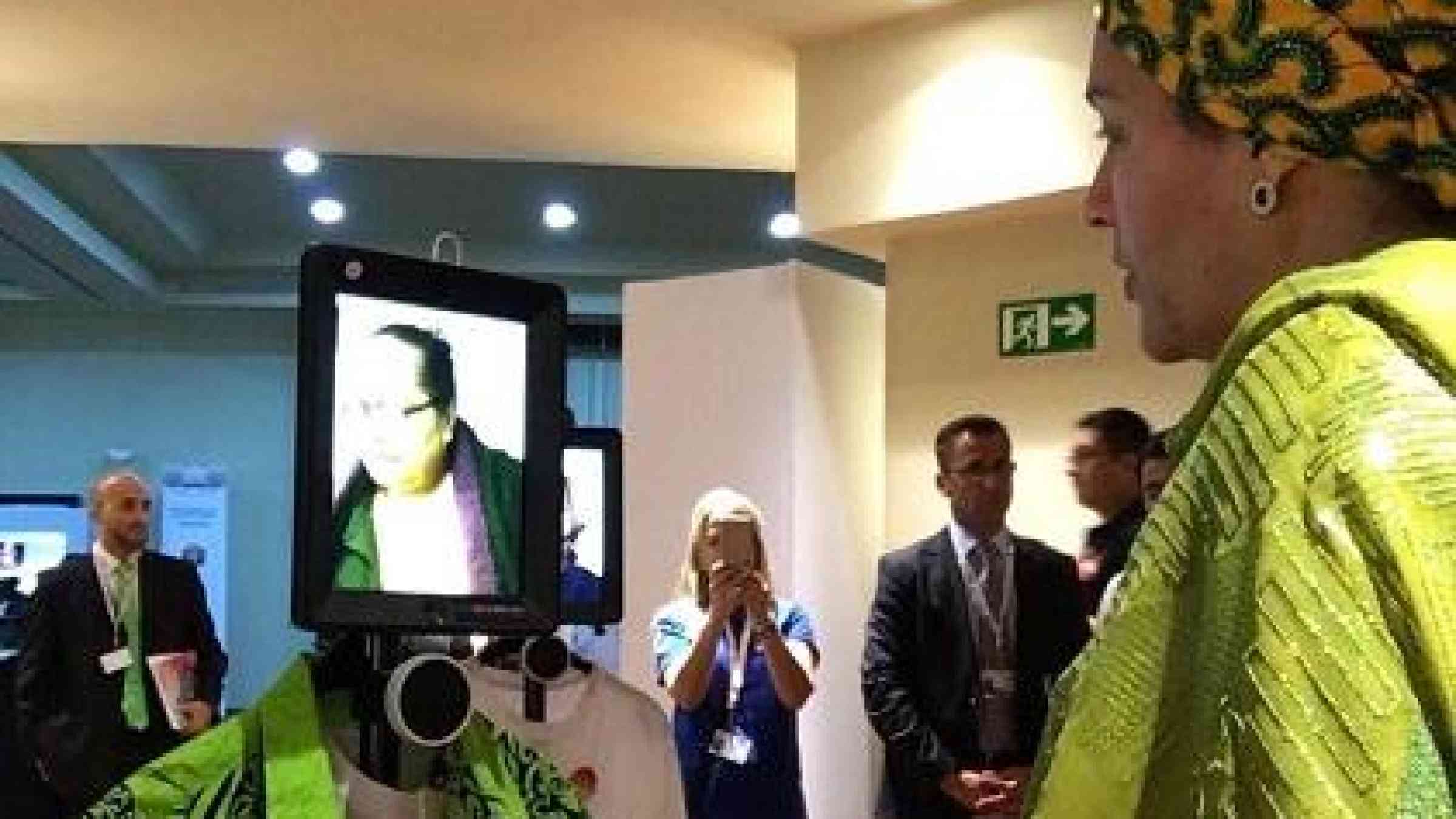
UN Deputy Secretary-General Amina Mohammed interacts with Lanieta Tuimabu, a board member of the Pacific Disability Forum, thousands of kilometres away thanks to the telepresence robot. (Photo: Catherine Naughton)
Update

It may look like a gadget to many but this robot (pictured left) is a shining example of inclusive technology for disaster risk reduction.

United Nations Office for Disaster Risk Reduction (UNDRR)
Press release

A major initiative to prevent large numbers of women and girls dying in disasters and to ensure they are included in disaster risk management was launched today at the Global Platform for Disaster Risk Reduction in Cancun, Mexico, by the United Nations and the International Federation of Red Cross and Red Crescent Societies (IFRC).

United Nations Office for Disaster Risk Reduction (UNDRR)
Triveño Luis, Urban Development Specialist, World Bank Group

The scene is as familiar as it is tragic: A devastating hurricane or earthquake strikes a populated area in a poor country, inflicting a high number

Ilan Kelman, Reader in Risk, Resilience and Global Health at University College London, England and Professor II at the University of Agder, Kristiansand, Norway, University College London

The media, and even scientific publications, continue to be packed with rhetoric that low-lying islands will sink, drown, or disappear due the seas

Karlee Johnson, Research Associate at the Stockholm Environment Institute’s Asia Centre in Bangkok, Stockholm Environment Institute-Asia Centre

Asia-Pacific, the world’s most disaster-prone region, is home to an estimated 650 million people with disabilities. People with disabilities are four

Update

The European Disability Forum organized a workshop in Brussels to share experiences in inclusive disaster risk reduction in Europe and discuss recommendations and future actions. EDF members will participate and share the outcomes at the Global Platform in Cancun, using a range of virtual participation tools.

European Disability Forum
Uploaded on